Head Office
No. 8 Klunye Adjele Street
East Legon, Accra – Ghana

No. 8 Klunye Adjele Street
East Legon, Accra – Ghana
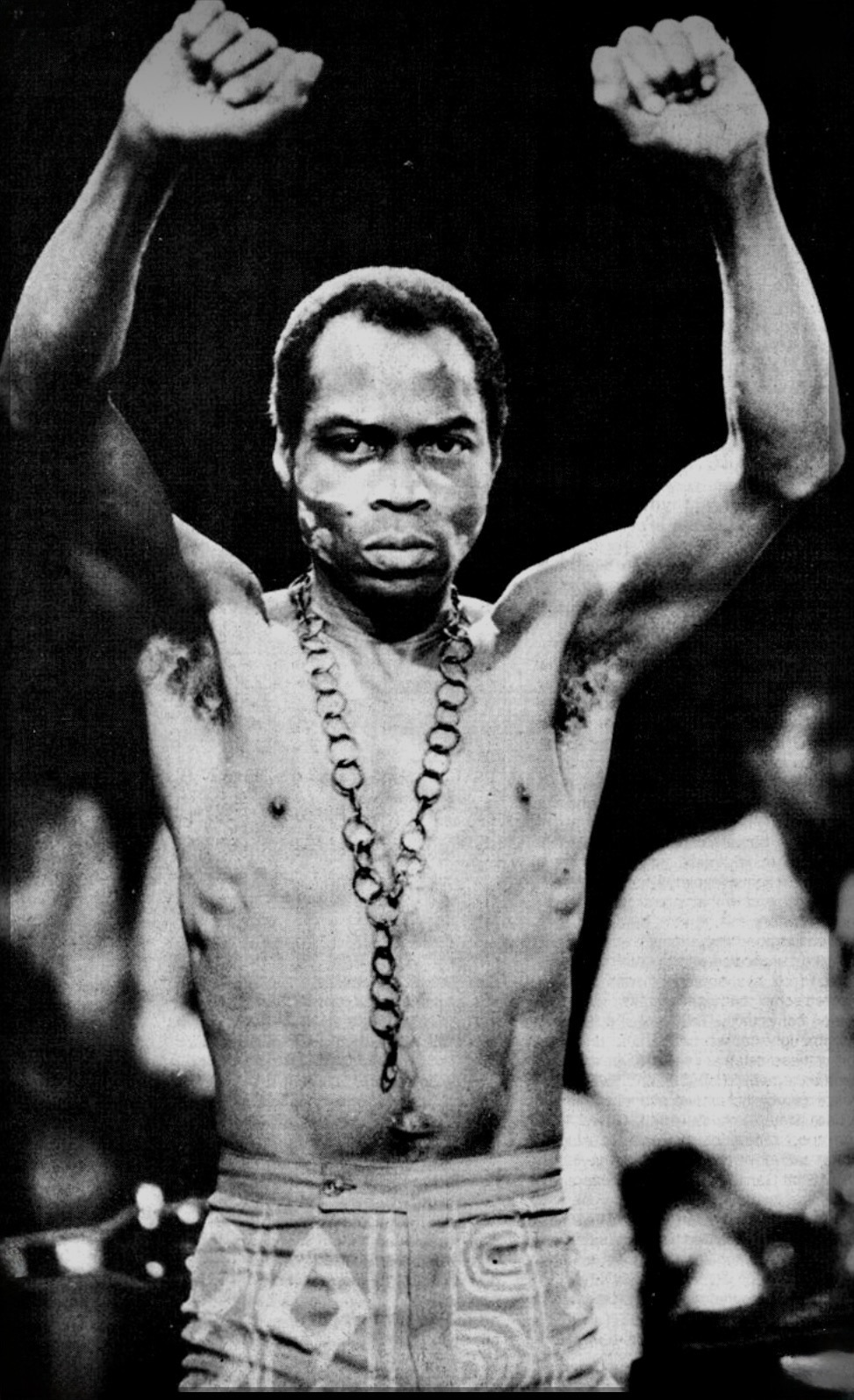
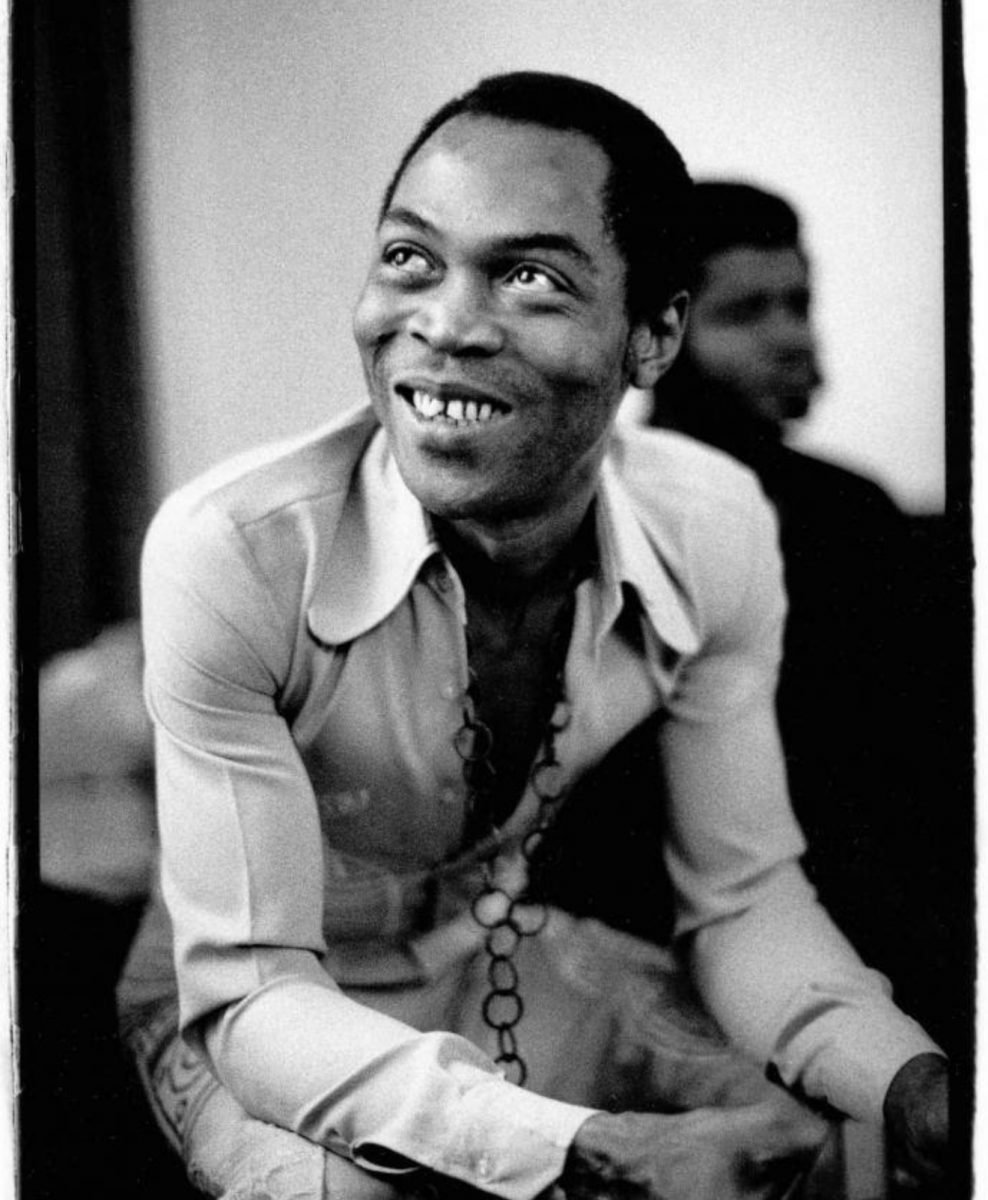
Ahead of the 68th Annual Grammy Awards ceremony, Afrobeat pioneer Fela Anikulapo Kuti was posthumously awarded the Grammy Lifetime Achievement Award in 2026. In receiving this prestigious honour, Fela became the first African artist to be recognised with the award — a monumental moment for Africa and for the global recognition of Afrobeat.
The award was accepted on his behalf by his children, Yeni, Kunle, and Femi Kuti, continuing a powerful musical legacy that spans generations. The recognition follows another historic milestone in 2025, when Fela’s 1976 album Zombie was inducted into the Grammy Hall of Fame.
This is more than an award. It is a victory for African music, African storytelling, and African resistance.
But who was Fela Kuti? And why does his influence still shape today’s Afrobeat superstars and activists?
Fela Kuti was born Olufela Olusegun Oludotun Ransome-Kuti on October 13, 1938, in Abeokuta, Nigeria. He died on August 2, 1997, at the age of 58. His death was announced by his older brother, Dr. Olukoye Ransome-Kuti, a prominent AIDS activist and former Nigerian Minister of Health, who stated that Fela died of heart failure related to complications from AIDS. Fela himself had publicly denied the existence of AIDS, and his widow maintained that he did not die from the disease — a controversy that followed even his passing.
In the late 1970s, Fela dropped the name “Ransome,” which he considered a colonial, slave name, and adopted “Anikulapo,” a Yoruba name meaning “he who carries death in his pouch.” He wanted a name that reflected African identity and spiritual power rather than British influence.
Fela attended Abeokuta Grammar School for his secondary education. In 1958, he moved to London, originally sent to study medicine. Instead, he enrolled at Trinity College of Music to study composition and trumpet.
Interestingly, Fela failed his music theory entrance exam. However, his exceptional talent on the trumpet impressed the college principal so much that he was admitted on the condition that he would resit the theory exam later. It was a sign of things to come — rules did not limit Fela Kuti.
While studying in London, Fela’s musical education went far beyond the classroom. Nights spent in jazz clubs with his close friend J.K. Braimah shaped his sound and broadened his artistic vision.
Between 1959 and 1960, he formed his first band, Koola Lobitos, blending jazz and highlife — a sound that would later evolve into something far more revolutionary.
By the late 1960s, everything changed.
In 1969, Fela took his band to the United States, where he encountered the Black Power movement. The political consciousness he witnessed deeply influenced him. When he returned to Nigeria, his music transformed from love songs into bold political statements.
He renamed his band Africa 70 and developed what he called Afrobeat — a powerful fusion of Apala, funk, jazz, salsa, calypso, highlife, and traditional Yoruba music. Afrobeat was not just music; it was a weapon.
Fela also established the Kalakuta Republic — a commune, recording studio, and safe haven for musicians and supporters. He opened a nightclub called the Afro-Spot, later renamed the Afrika Shrine, where he performed regularly and held ceremonies honouring his ancestral Yoruba faith.
In 1977, Fela and Africa 70 released Zombie, a blistering critique of the Nigerian military. Using the metaphor of “zombies,” he accused soldiers of mindlessly following orders without thinking.
The album was a massive success. It also made him a target.
In retaliation, the Nigerian government sent approximately 1,000 soldiers to raid the Kalakuta Republic. Fela was brutally beaten. His mother, Funmilayo Ransome-Kuti — a pioneering educator, women’s rights activist, and independence campaigner often called the “Lioness of Lisabi” — was thrown from a window during the attack. She later died from her injuries.

The commune was burned down. Instruments, studio equipment, and master tapes were destroyed. It was nearly fatal for Fela.
In response, Fela carried his mother’s coffin to Dodan Barracks, the official residence of then-Head of State General Olusegun Obasanjo. He later released the songs Coffin for Head of State and Unknown Soldier as direct accusations against the government.
In 1978, in a dramatic and controversial move, Fela married 27 women — many of them dancers, singers, and composers who worked closely with him. The same year, he was banned from Ghana after performing Zombie, which reportedly incited unrest.
Following internal band disputes and financial tensions, Fela renamed his group Egypt 80.
He continued provoking political authorities. In 1983, he released the 25-minute political track I.T.T. (International Thief-Thief), accusing multinational corporations and Nigerian political figures, including Moshood Abiola (MKO), of corruption.
In 1984, under General Muhammadu Buhari’s regime, Fela was jailed on charges of currency smuggling and sentenced to five years in prison. Many international human rights organisations declared him a prisoner of conscience. After 20 months, General Ibrahim Babangida released him.
Even prison did not silence him.
After his release, Fela divorced 12 of his wives amid internal tensions. He continued touring the United States and Europe with Egypt 80, spreading his political message worldwide.
In 1989, he released Beasts of No Nation, an anti-apartheid album condemning global injustice.
By the 1990s, his musical output slowed as his health declined. In August 1997, Fela Kuti passed away. Over a million people reportedly attended his funeral — a testament to his influence.
Today, Afrobeat dominates global charts. African artists win international awards. Burna Boy, Wizkid, Davido, and many others sell out stadiums worldwide.
But this global success did not happen overnight.
Fela Kuti challenged governments. He endured imprisonment. He lost his mother to political violence. He risked his life for truth, for justice, and for African pride.
He created a sound that carried resistance, identity, and power.
Fela walked so this generation could run.
As the 2026 Grammy Lifetime Achievement Award recognises his impact, it reminds the world that Afrobeat is not just a genre — it is a movement.
Thank you, Fela Anikulapo Kuti, for making the road and leaving a mark on the world that will never fade.
