Head Office
No. 8 Klunye Adjele Street
East Legon, Accra – Ghana

No. 8 Klunye Adjele Street
East Legon, Accra – Ghana

Despite a decade of progress, The Gambia is currently a critical battleground for women’s rights. Since banning Female Genital Mutilation (FGM) in 2015, the nation has shifted from a regional leader to the brink of crisis, a surging conservative movement now threatens to make it the first country in the world to re-legalise the practice.
Though FGM was criminalized under the Women’s (Amendment) Act of 2015, the law remained largely symbolic for years. That changed in August 2023, when a Gambian court convicted three women for performing the procedure on eight infants. This landmark enforcement did not lead to universal praise; instead, it ignited a firestorm.
Prominent religious leaders, including influential imams, publicly paid the women’s fines and framed the ban as an assault on Islamic identity and Gambian cultural sovereignty. By March 2024, lawmaker Almameh Gibba introduced a bill to repeal the ban, arguing that “female circumcision” is a religious rite that the state has no business policing.
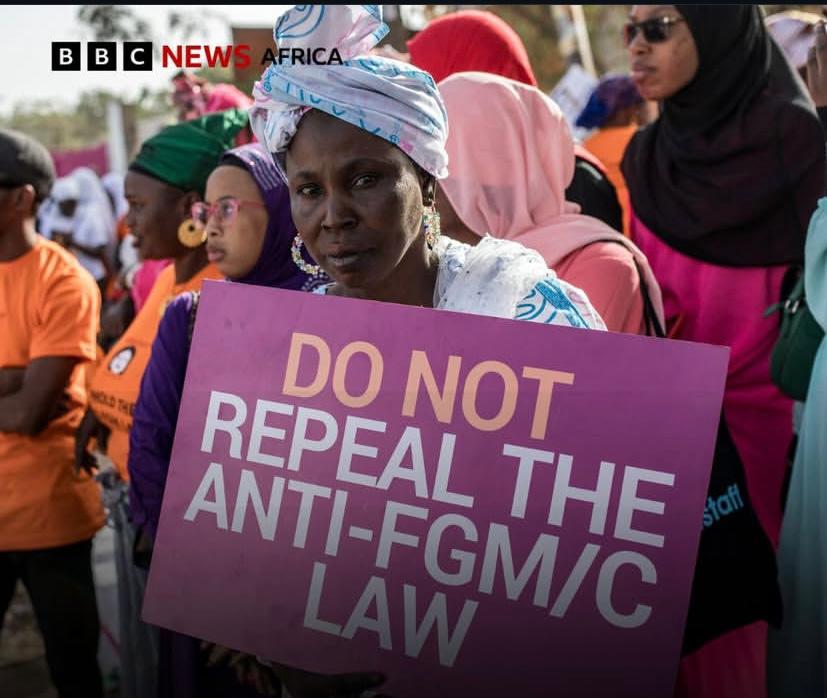
The debate reached a fever pitch in July 2024. International bodies, including the UN and the African Union, warned that a repeal would violate the Maputo Protocol and set a “dangerous precedent” for the rollback of gender protections globally.
On July 15, 2024, after months of heated national discourse, the Gambian National Assembly voted 34-19 to reject the repeal bill. Human rights activists celebrated the decision as a “monumental achievement,” signaling that the legislative shield protecting girls remained intact.
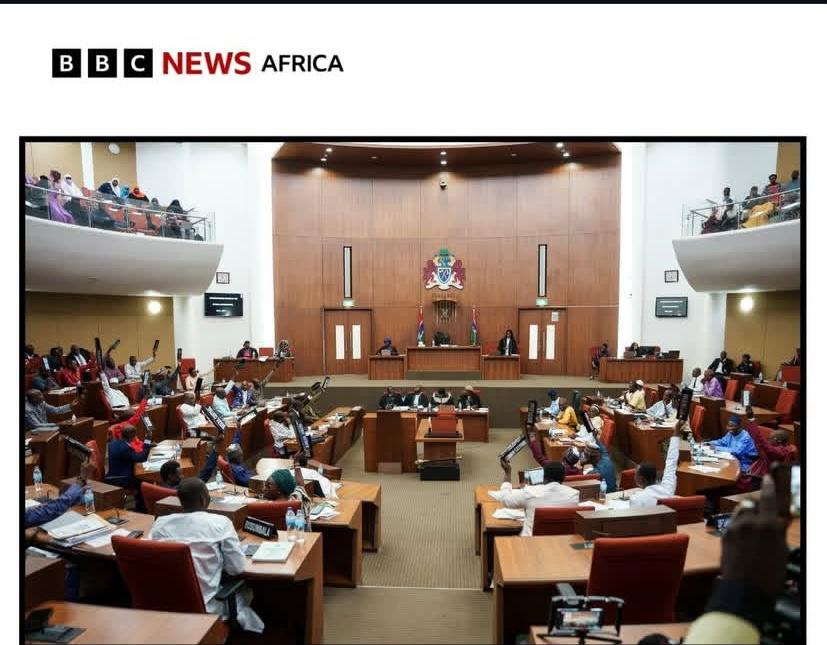
The victory in Parliament, however, was not the end of the story. Pro-FGM advocates, led by MP Almameh Gibba and conservative religious figures, have shifted their strategy from the legislature to the judiciary.
As of early 2026, The Gambia’s Supreme Court is hearing a constitutional challenge against the 2015 ban. The plaintiffs argue that criminalizing FGM violates the constitutional right to religious and cultural freedom. Activists counter that these rights cannot supersede the fundamental right to life and bodily integrity, pointing to tragic reports from late 2025 of infants who bled to death following illegal procedures.
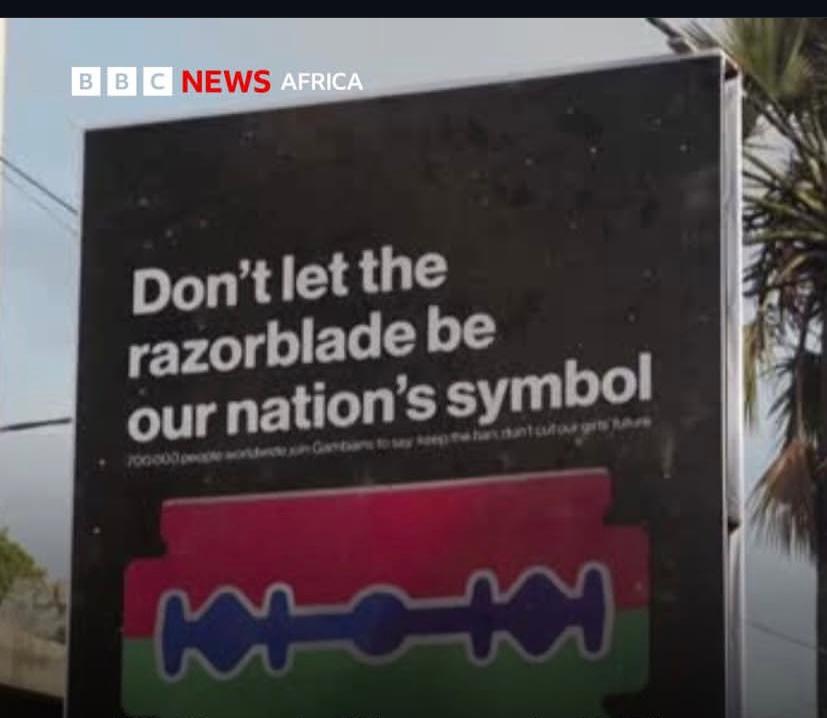
The situation in The Gambia is not happening in a vacuum. It is widely viewed by sociologists and human rights defenders as part of a “global regression” on women’s rights. In neighboring Sierra Leone, for instance, efforts to ban FGM have faced similar hurdles.
The Gambia now finds itself at a historical juncture. The Supreme Court’s upcoming ruling will determine whether the country reaffirms its commitment to international human rights treaties or allows “cultural rights” to redefine the limits of state protection for its most vulnerable citizens.
Quick Facts:

Great awareness. An archaic practice.