Head Office
No. 8 Klunye Adjele Street
East Legon, Accra – Ghana

No. 8 Klunye Adjele Street
East Legon, Accra – Ghana
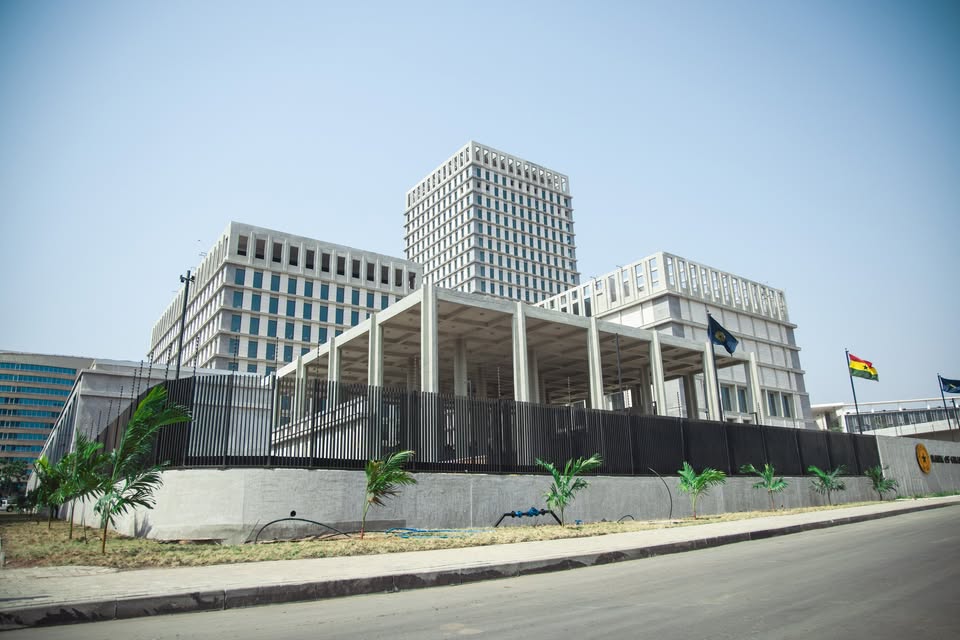
Since the middle of May 2025, Ghana has celebrated improving macroeconomic indicators; inflation has reduced, the cedi has shown relative stability. Some policy observers have continue to project confidence about the direction of the economy. However, beneath these encouraging indicators lies a growing concern that many citizens do not fully understand which is the massive financial losses recorded by the Bank of Ghana especially since 2022.
This raises a difficult but necessary question: Is Ghana achieving genuine economic stability or simply financing temporary calm at a dangerous long-term cost?
The recent financial statements from the Bank of Ghana reveal staggering losses over the past few years: Approximately GH¢60.9 billion in 2022, around GH¢10.55 billion in 2023, about GH¢9.49 billion in 2024 and about GH¢15.63 billion in 2025.
These are not ordinary figures. They represent one of the most significant periods of financial strain in the history of Ghana’s central banking system.
While some of these losses have been linked to domestic debt restructuring, exchange rate interventions, and monetary tightening policies, the broader issue is what these measures reveal about the structure of Ghana’s economic recovery.
It is important to state that, for observers who support the interventions implemented by this current government argue that, these interventions are necessary to stabilize the cedi, reduce inflation, restore investor confidence and prevent deeper economic collapse.
To some extent, that argument is valid as most central banks around the world sometimes absorb losses in periods of economic crisis to stabilize markets.
However, the concern is not intervention itself. The concern is sustainability.
If maintaining exchange rate stability and reducing inflation requires continuous heavy intervention like what’s happening currently, then Ghana risks creating an economy that appears stable on paper but remains fragile underneath.
Moreover, one of the biggest dangers in economic management is confusing: policy-supported stabilization with genuine economic transformation.
A strong economy is typically driven by productivity, industrial growth, export competitiveness, domestic production and rising incomes.
However, many of Ghana’s current improvements appear heavily dependent on aggressive monetary tightening, liquidity sterilization and forex market intervention
This creates a serious question: What happens when the interventions slow down or can no longer be sustained?
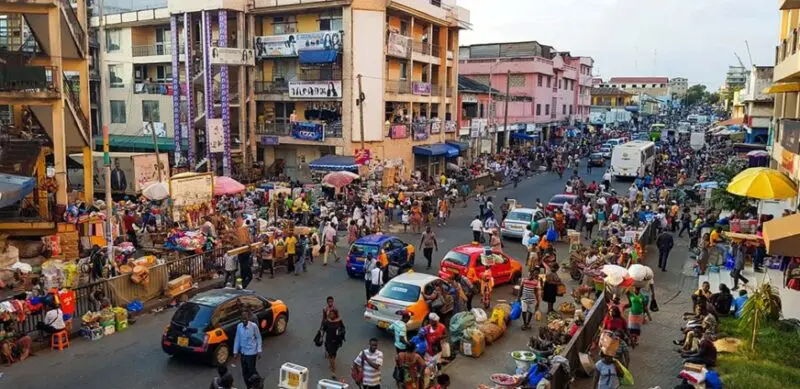
Perhaps the most troubling aspect of the current economic narrative is the disconnect between official data and lived reality.
Despite improving indicators:
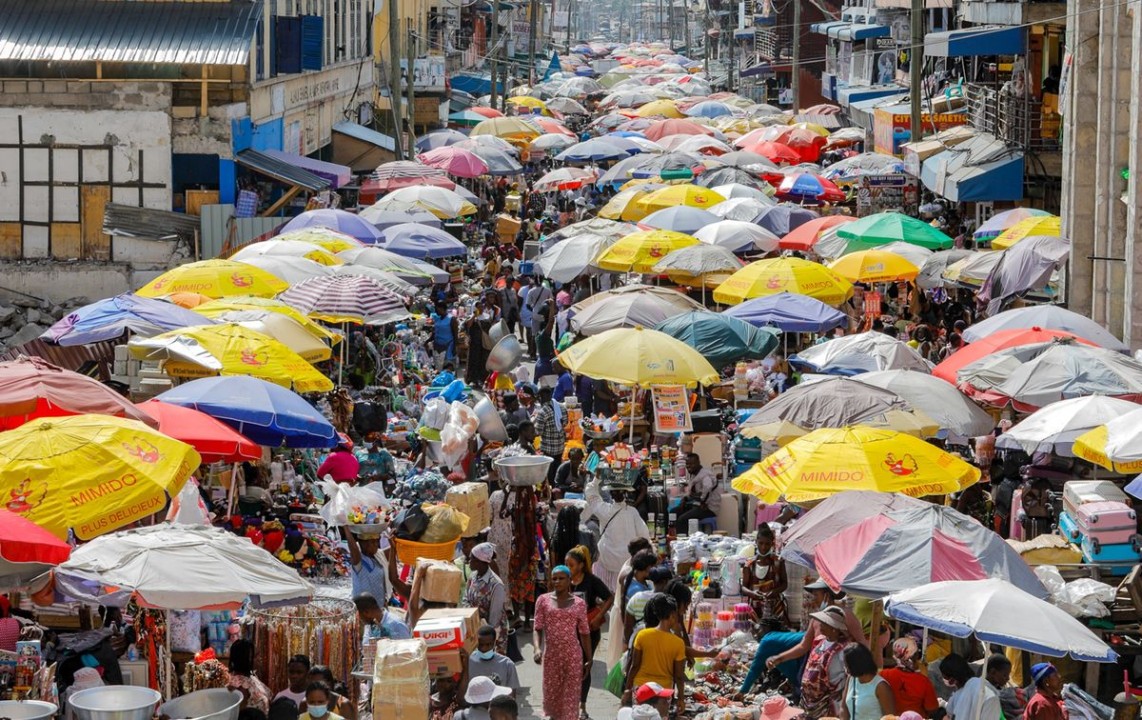
For many citizens, there is little evidence that the so-called economic recovery has translated into meaningful relief.
This is why many Ghanaians are increasingly skeptical of economic celebrations that do not reflect in their daily lives.
A central bank can absorb losses temporarily in pursuit of national stability. But when losses become persistent and increasingly large, deeper questions emerge:
Economic stability built primarily on intervention rather than structural productivity may provide temporary relief, but it risks becoming difficult to maintain over time.
Ghana’s economy still faces major structural challenges like, heavy dependence on imports, weak manufacturing capacity, limited value addition, high public debt exposure and vulnerability to external shocks.
Until these issues are addressed, the country may continue relying on short-term stabilization tools instead of building durable economic resilience.
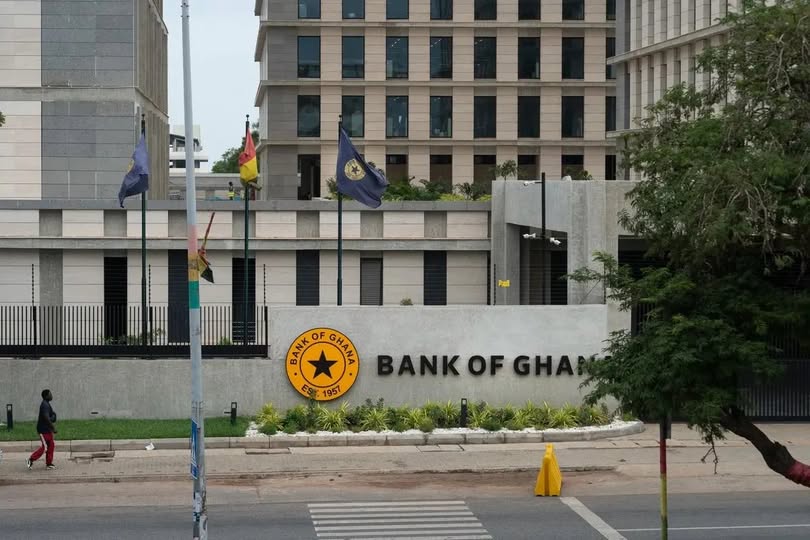
The issue is not whether the Bank of Ghana should intervene in times of crisis it should.
The real issue is whether the public fully understands the cost of those interventions, whether policymakers are honest about the limits of short-term stabilization and whether long-term structural reforms are being pursued aggressively enough.
Truthfully, a healthy economy cannot survive indefinitely on intervention alone.
The losses recorded by the Bank of Ghana should not merely be viewed as accounting figures. They are signals warning signs about the deeper condition of Ghana’s economy.
Yes, stabilization matters. Yes, intervention may sometimes be necessary.
But if stability does not improve the lives of citizens, strengthen production, and create sustainable economic growth, then the country risks celebrating numbers while ignoring reality.
Because ultimately, the true measure of economic success is not only what appears in official indicators, it is what ordinary people experience every day.

Economic stability should not only be measured by short-term indicators but also by the long-term financial strength of national institutions.