Head Office
No. 8 Klunye Adjele Street
East Legon, Accra – Ghana

No. 8 Klunye Adjele Street
East Legon, Accra – Ghana

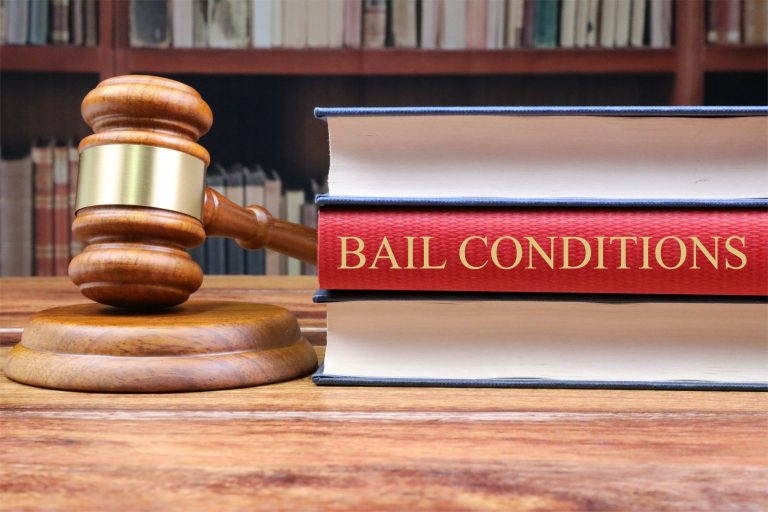
Draconian bail conditions in Ghana have increasingly become a subject of public concern, raising difficult questions about the country’s commitment to justice, due process, and the rule of law One of the defining principles of every democratic society is that…
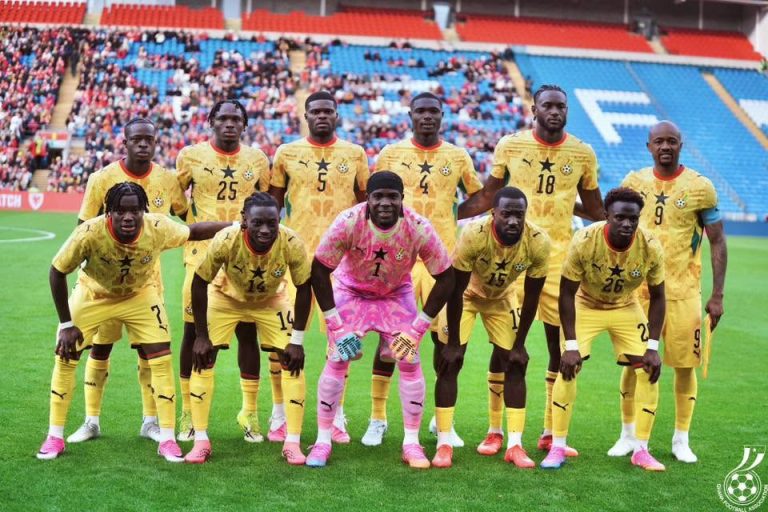
Ghana’s Black Stars have returned home after exiting the FIFA World Cup at the Round of 32. Considering the team’s struggles over the past five to seven years including disappointing performances in major tournaments, many Ghanaians will understandably view reaching…
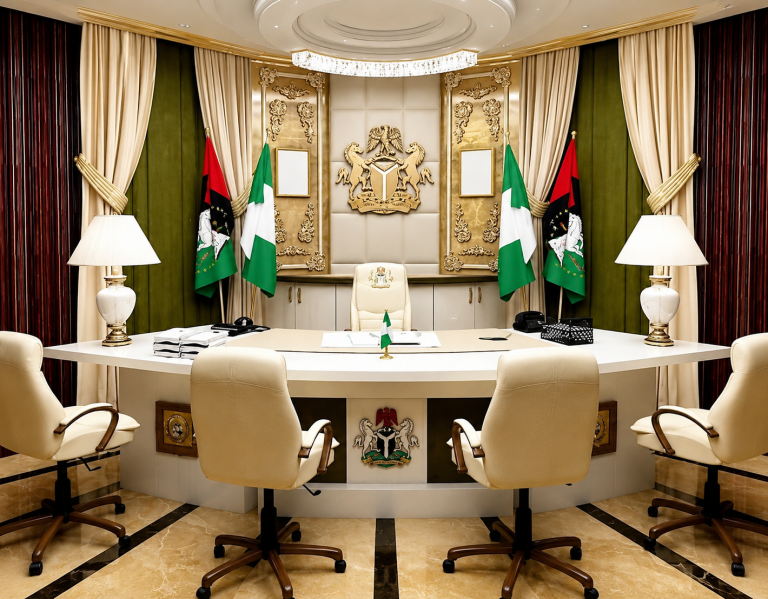
The recent revelation of a suspected fictitious government agency allegedly operating from within Nigeria’s Presidency has sent shockwaves across Africa. According to several media reports, the agency known as: Presidential Foreign Intervention Promotion Council (PFIPC) is alleged to have existed…
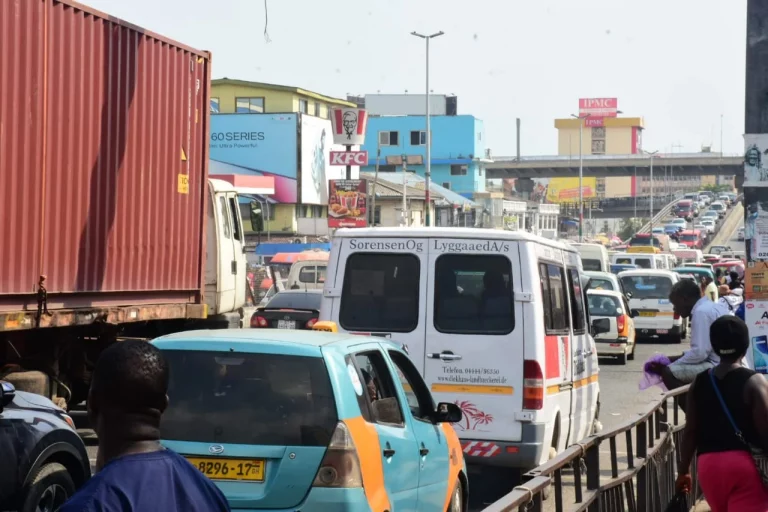
Road safety in Ghana is often discussed after tragedy strikes. A fatal crash occurs. Lives are lost. Public outrage follows. Authorities promise action. Then, gradually, the conversation fades until the next preventable disaster. This cycle must end. If Ghana is…
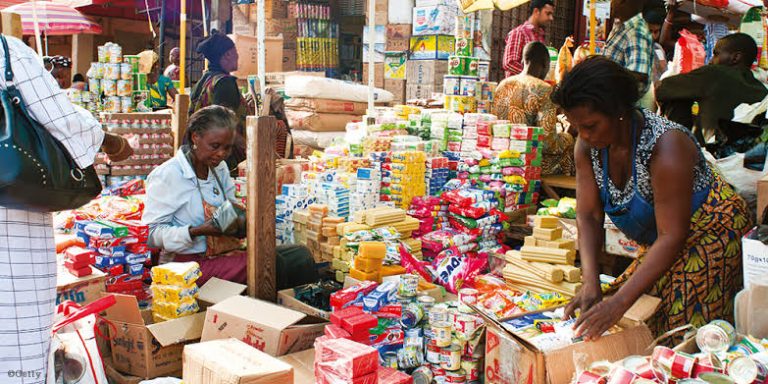
One of the most frustrating experiences for consumers is discovering that a product they once loved is no longer what it used to be. The taste changes, the quantity reduces, the durability declines and the quality that initially attracted customers…
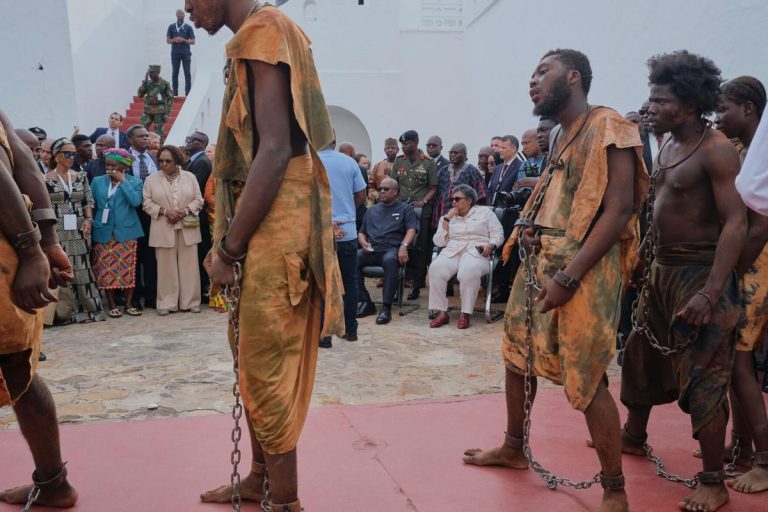
The recent global recognition of the trans-Atlantic slave trade as one of humanity’s gravest crimes and the growing international conversation around reparations represent significant victories for Africa and people of African descent. African leaders, particularly those from Ghana, deserve commendation…
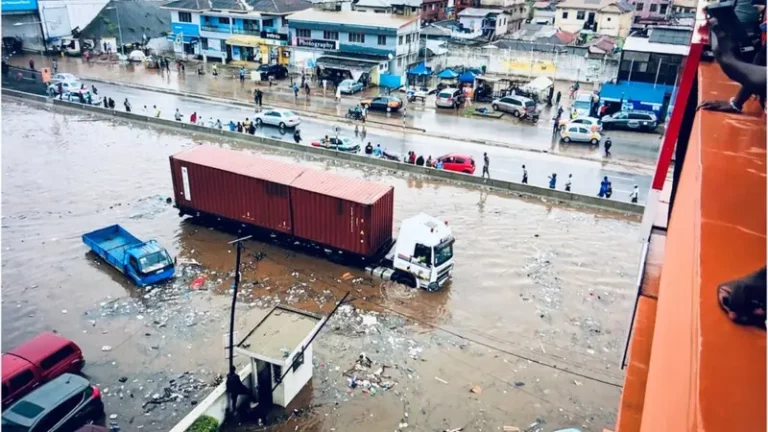
Every year, the rains arrive. Parts of Accra become submerged, lives are lost, properties are destroyed, businesses suffer losses, and families are left counting the cost of a disaster that has become far too familiar. However, despite decades of discussions,…
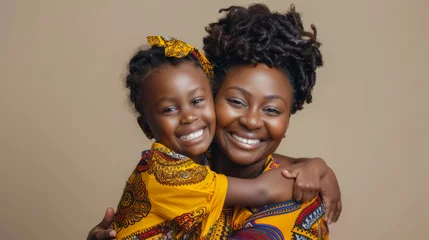
As the world celebrates Mother’s Day, society must move beyond flowers, social media tributes, and ceremonial messages to confront a painful reality facing many vulnerable women and young girls across Africa. For thousands of young girls living on the streets,…
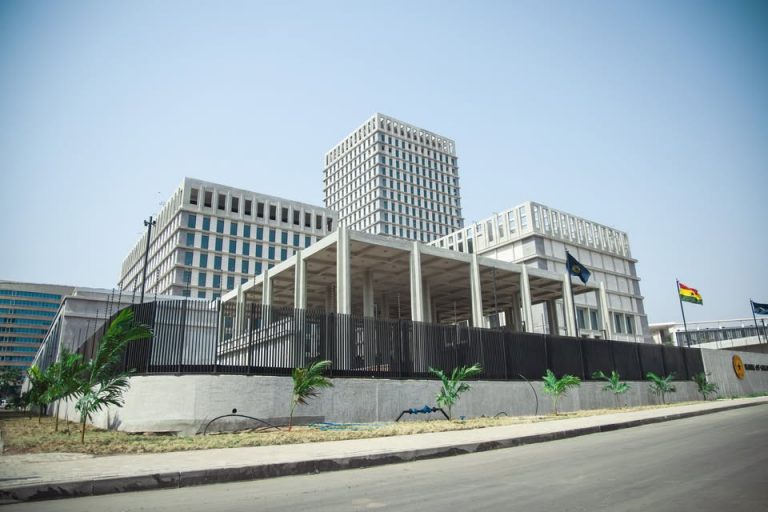
Since the middle of May 2025, Ghana has celebrated improving macroeconomic indicators; inflation has reduced, the cedi has shown relative stability. Some policy observers have continue to project confidence about the direction of the economy. However, beneath these encouraging indicators…