Head Office
No. 8 Klunye Adjele Street
East Legon, Accra – Ghana

No. 8 Klunye Adjele Street
East Legon, Accra – Ghana
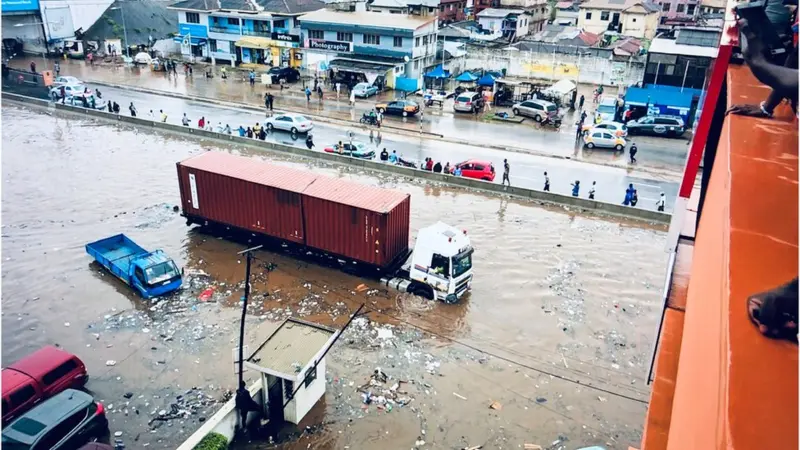
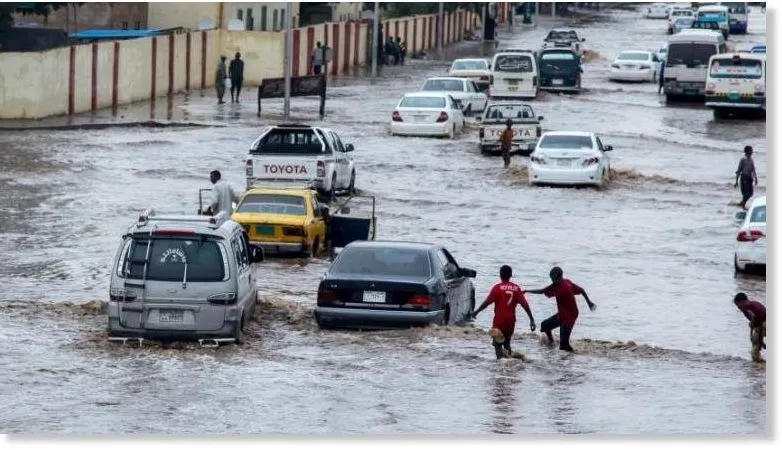
Every year, the rains arrive. Parts of Accra become submerged, lives are lost, properties are destroyed, businesses suffer losses, and families are left counting the cost of a disaster that has become far too familiar.
However, despite decades of discussions, promises, and emergency responses, Ghana continues to treat flooding as though it were an unavoidable natural occurrence rather than a preventable national crisis.
The truth is simple: flooding in Accra is no longer merely a weather problem. It is a governance problem, a sanitation problem, and a civic responsibility problem, if urgent action is not taken, the consequences will only become more severe.
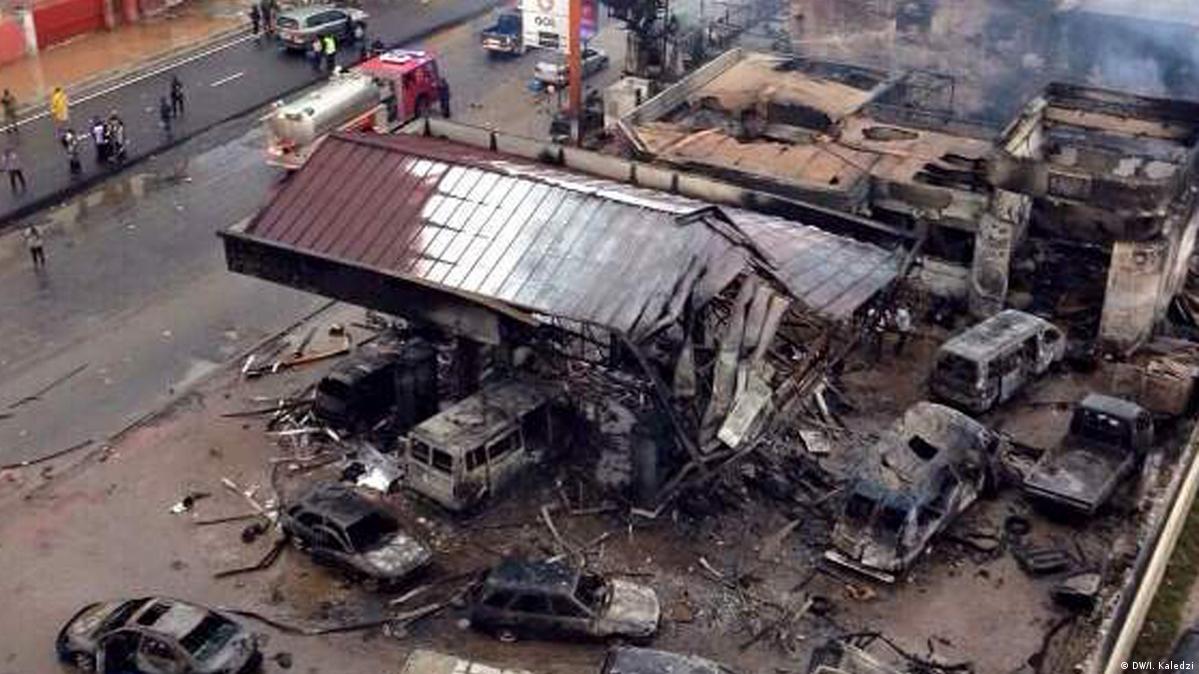
Sadly, it has been over a decade since the tragic June 3 disaster, one of the darkest moments in Ghana’s recent history.
The events of that day shocked the nation and exposed the dangerous consequences of poor urban planning, weak enforcement of sanitation laws, and inadequate drainage systems.
Many believed the tragedy would serve as a turning point.
Unfortunately, eleven years later, many of the same conditions that contributed to that disaster remain largely unresolved.
Floodwaters continue to overwhelm communities. Drainage systems remain clogged. Construction on waterways persists. Waste disposal practices remain poor.
The lessons were clear. The action has been insufficient.
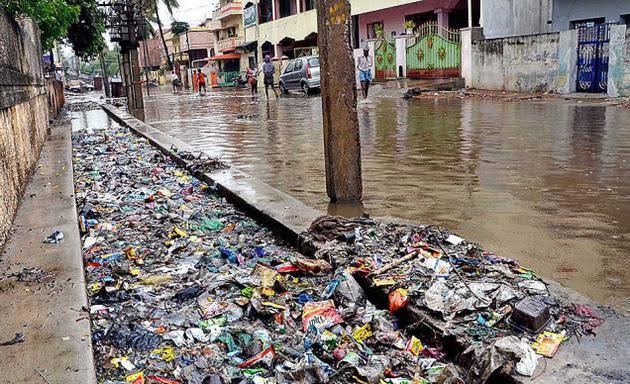
One of the most visible causes of flooding in Accra is the poor state of drainage infrastructure.
Across the city, drains are filled with:
When heavy rains fall, water has nowhere to go.
The result is predictable: roads become rivers, homes become flooded, businesses shut down, and lives are placed at risk.
Flooding should not surprise us anymore because the warning signs are visible every day.
The real question is why we continue to ignore them.
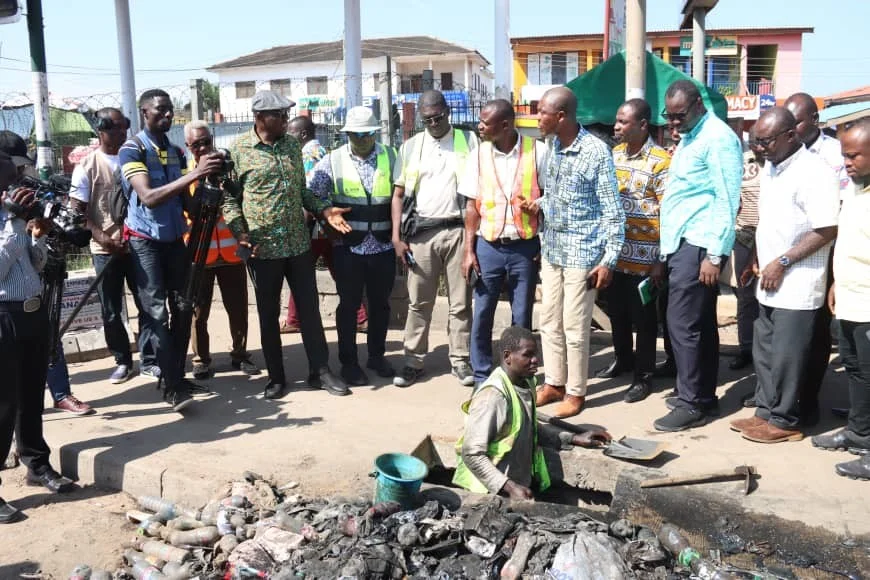
Government bears a significant responsibility for urban planning, infrastructure development, and law enforcement.
However, citizens cannot be absolved of blame.
A sustainable solution requires a change in attitude from all stakeholders.
National development cannot be achieved if citizens undermine the very systems designed to protect them.
For years, governments of different political persuasions have promised lasting solutions to flooding.
Yet the problem persists.
The country cannot continue to rely on emergency responses after every major rainfall event.
What is needed is:
Flood prevention must become a national priority rather than a seasonal conversation.
Many Ghanaians travel abroad for work, education, business, and tourism.
We see cities around the world that experience heavy rainfall yet remain functional because systems are maintained, regulations are enforced, and public spaces are respected.
The issue is therefore not a lack of knowledge.
The issue is a lack of discipline, accountability, and political will.
If other countries can build resilient cities, there is no reason Ghana cannot do the same.
The danger facing Accra is not diminishing—it is growing.
Rapid urbanization, climate change, population growth, and inadequate infrastructure are increasing the city’s vulnerability.
Without decisive intervention, future floods could become even more destructive than what the country has previously experienced.
The cost will be measured not only in damaged properties but also in lost lives.
A nation should not have to wait for another major tragedy before taking action.
Accra’s flooding crisis is not inevitable.
It is the result of choices, neglect, and a collective failure to act decisively.
Both government and citizens have responsibilities that must be fulfilled if the cycle of destruction is to end.
Eleven years after the June 3 disaster, Ghana should not still be having the same conversations.
The time for studies, excuses, and blame-shifting has long passed.
The time for action is now.
Because if we continue to ignore the warning signs, we may eventually learn our lessons at a cost far greater than we can afford.

Hmm