Head Office
No. 8 Klunye Adjele Street
East Legon, Accra – Ghana
No. 8 Klunye Adjele Street
East Legon, Accra – Ghana
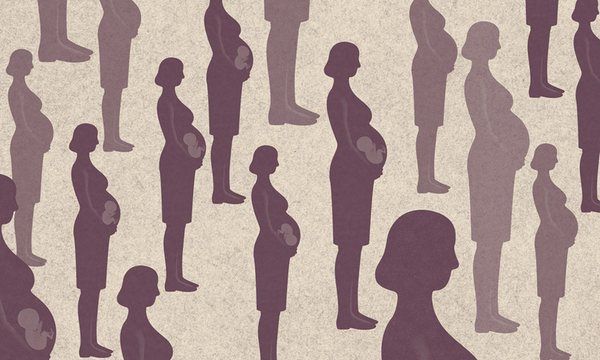
Maternal mortality, the death of a woman during pregnancy, childbirth, or shortly after delivery, remains one of the most critical public health challenges in Sub-Saharan Africa. In Ghana, losing a mother is more than a medical failure; it is a deep loss that affects families, communities, and the economy.
While Ghana has made great progress in making childbirth safer over the last few decades, that progress has recently slowed down. To protect expectant mothers, we must look at where the system is working and where it is failing.
During the era of the United Nations Millennium Development Goals (MDGs) from 1990 to 2015, Ghana saw historic success. The maternal mortality ratio (MMR) dropped significantly from around 740 deaths per 100,000 live births in 1990 down to 319 by 2015.
However, under the current Sustainable Development Goals (SDGs), which aim for a global target of fewer than 70 maternal deaths per 100,000 live births by 2030, Ghana’s progress has plateaued. By recent counts, the number has hovered around 308 deaths per 100,000 live births. For a country known for its economic and political stability in West Africa, this number remains far too high.
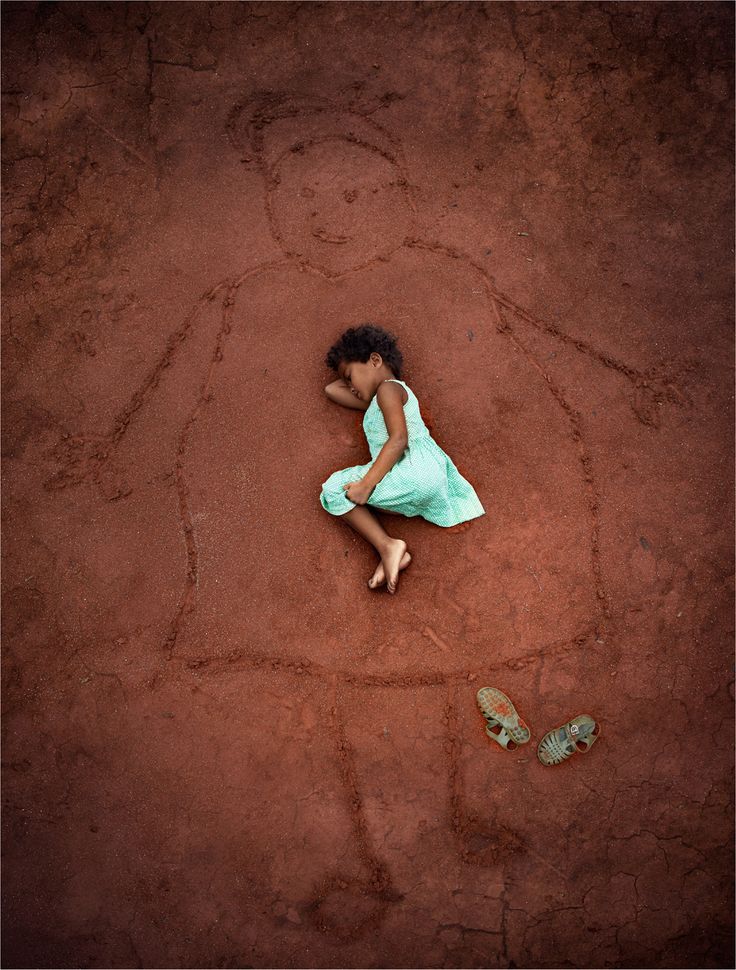
Nearly two-thirds of all maternal deaths in Ghana are caused by direct, preventable medical complications. The leading clinical causes include:
Indirect factors like severe anaemia, malaria, and underlying heart conditions also make pregnancy much more dangerous for many women.
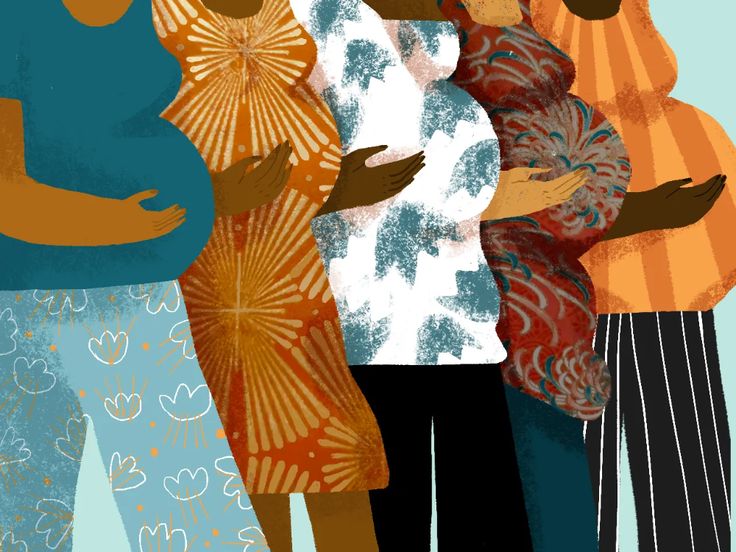
Ghana has launched several key initiatives to make maternal healthcare cheaper and more accessible:
To bridge the gap and meet international safety standards, Ghana must shift its focus from creating policies to strictly funding and enforcing them.
Key steps forward include investing heavily in rural health infrastructure, specifically blood banks and emergency vehicles, and offering incentives for midwives to work in remote villages. Ensuring safe motherhood is not just about tracking numbers; it is a fundamental human right that keeps Ghanaian families whole.

Beautiful piece