Head Office
No. 8 Klunye Adjele Street
East Legon, Accra – Ghana

No. 8 Klunye Adjele Street
East Legon, Accra – Ghana
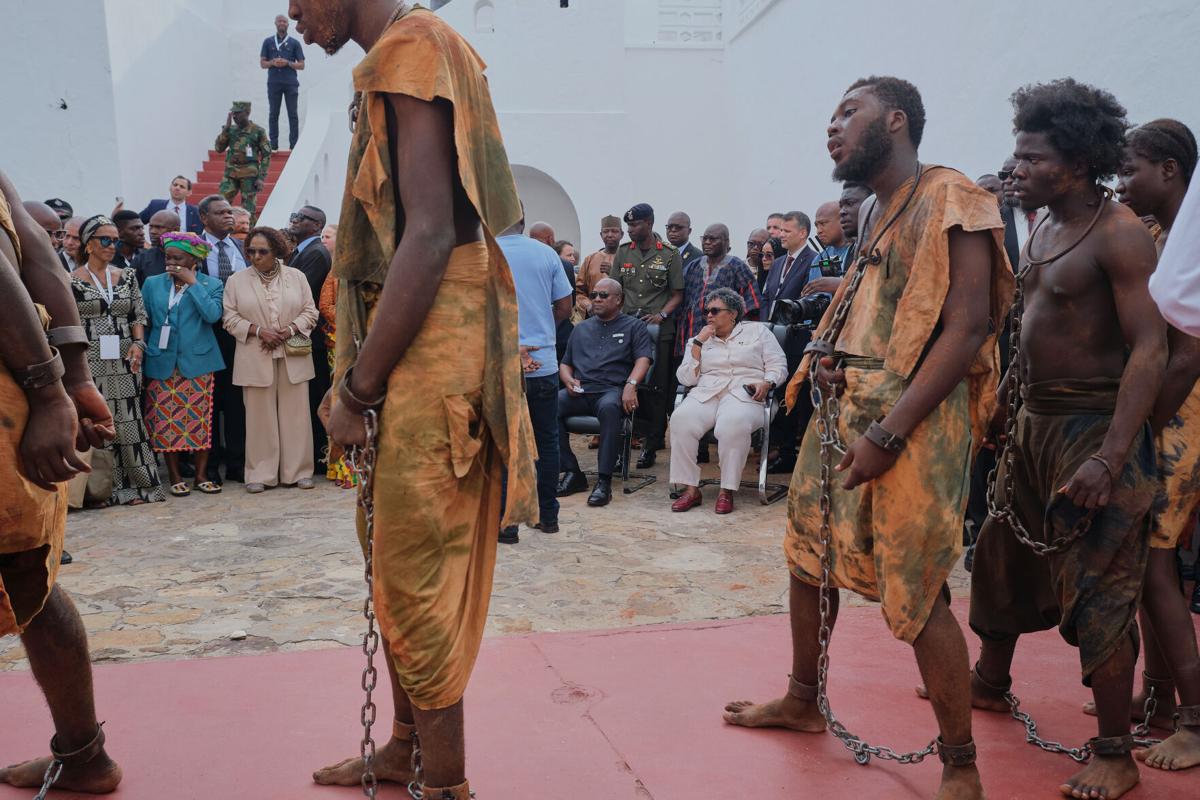
The recent global recognition of the trans-Atlantic slave trade as one of humanity’s gravest crimes and the growing international conversation around reparations represent significant victories for Africa and people of African descent.
African leaders, particularly those from Ghana, deserve commendation for championing this cause and ensuring that historical injustices are neither forgotten nor ignored.
For centuries, millions of Africans were forcibly removed from their homeland, stripped of their dignity, and subjected to unimaginable suffering. Acknowledging this history is important. Seeking justice is necessary.
But now that the celebrations have subsided and the resolutions have been passed, Africa must confront a more difficult question:
Has Africa truly freed itself, or have we merely exchanged one form of dependency for another?
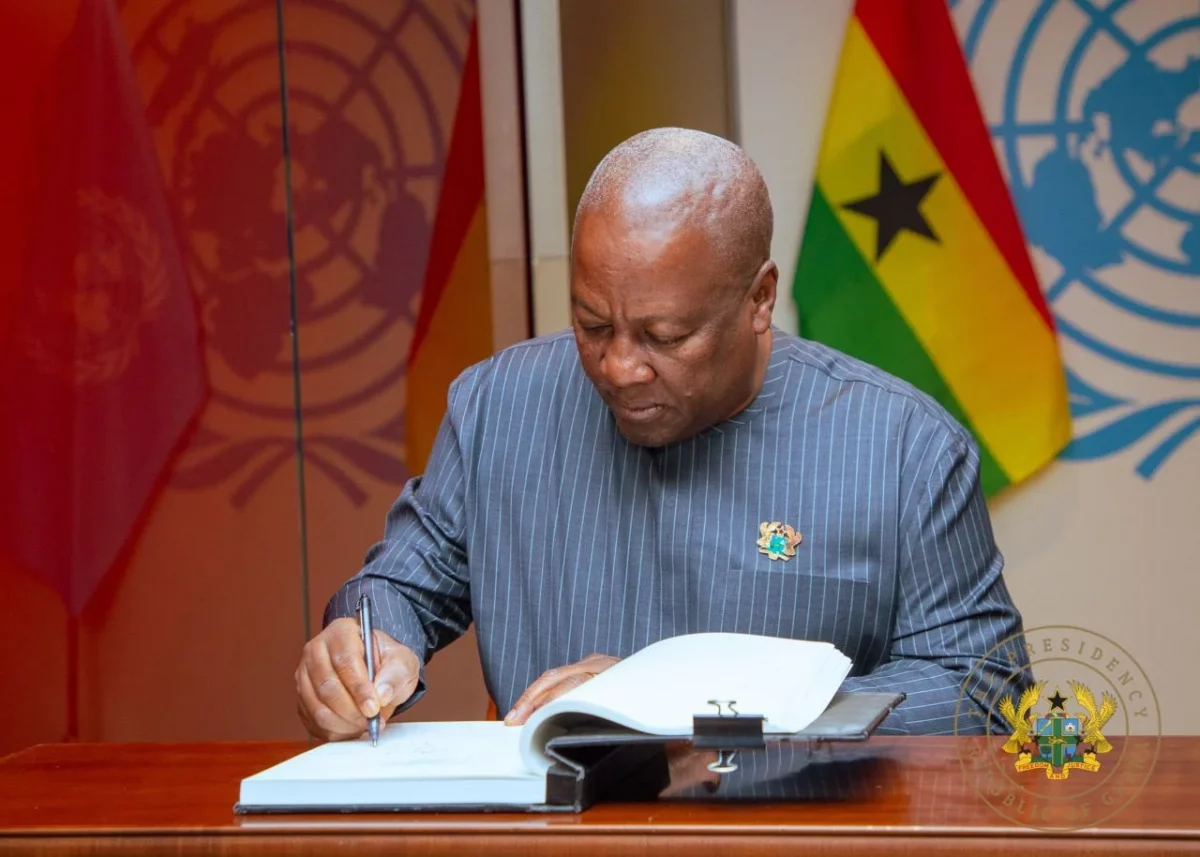
There is no doubt that the trans-Atlantic slave trade was one of the darkest chapters in human history.
However, the struggle for African liberation was never only about ending the physical transportation of Africans across oceans.
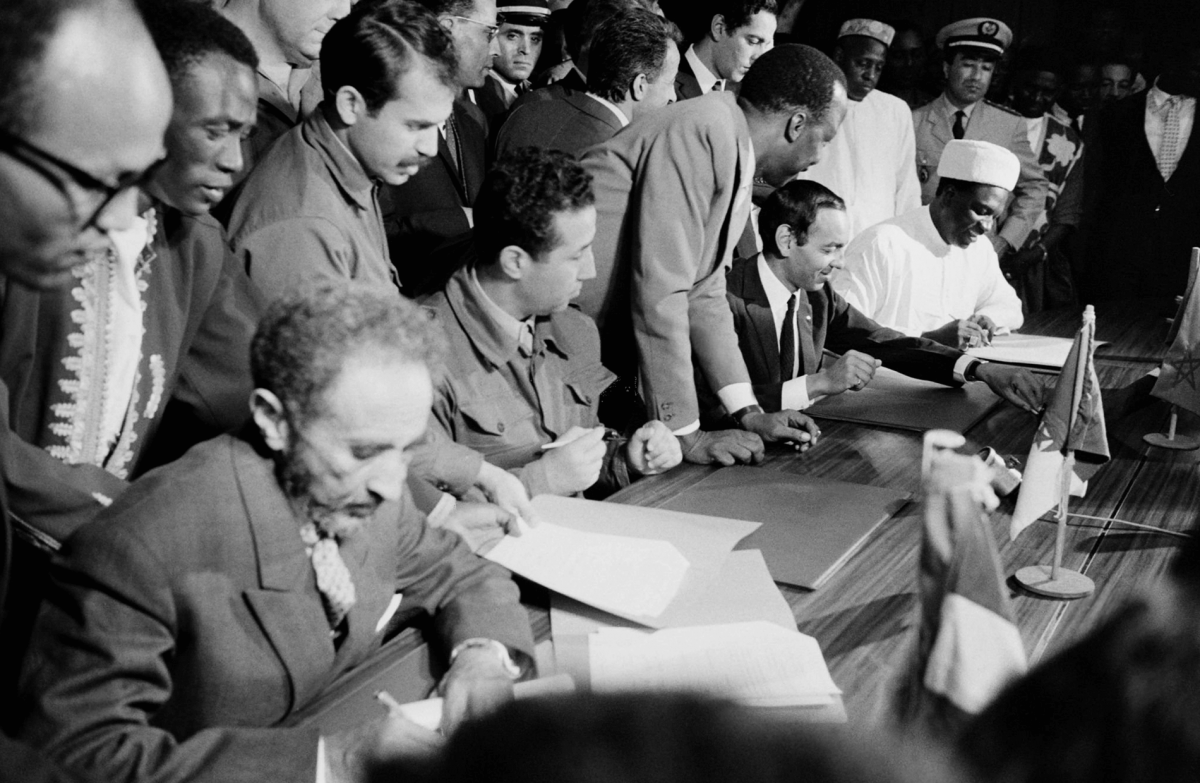
Visionaries such as Dr. Kwame Nkrumah, Julius Nyerere, Nelson Mandela, Muammar Gaddafi, Patrice Lumumba, Thomas Sankara and many others envisioned something much greater.
They dreamt of an Africa where:
Unfortunately, that dream remains only partially fulfilled.
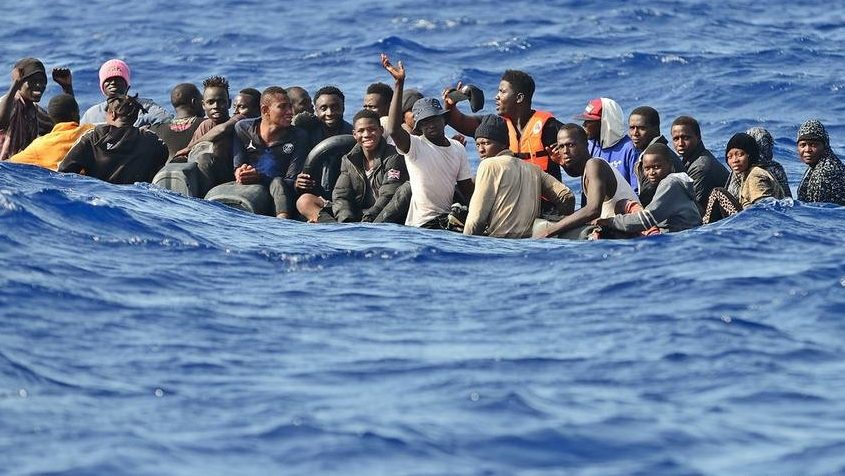
Today, Africans are no longer being placed on ships against their will.
Instead, many are leaving voluntarily.
Doctors leave for Europe; Nurses leave for North America; Engineers leave for the Middle East; Students leave for universities abroad; Young skilled workers leave in search of opportunities they cannot find at home.
While these decisions are often rational and understandable, they reveal a painful truth:
Millions of Africans still believe their best chance of success lies outside Africa.
That should concern every African leader.
The truth is, migration itself is not the problem.
People should be free to travel, study, work, and explore opportunities anywhere in the world.
The problem arises when citizens feel compelled to leave because basic opportunities are unavailable at home.
When, quality healthcare is inaccessible, education systems are struggling, jobs are scarce, infrastructure is inadequate, and public institutions are weak, migration becomes less about choice and more about necessity.
In that sense, Africa continues to lose some of its most valuable human resources every year.
Additionally, the conversation about African dependency extends beyond migration.
Many African economies remain heavily reliant on external financial institutions.
Consider the numbers:
On average, many African countries have relied on IMF programmes numerous times since independence.
More tellingly, African countries represent a significant proportion of nations currently indebted to the IMF.
In fact, African nations account for more than half of the countries currently owing money to the IMF. While Africa is not the largest borrower in terms of total value, it remains the continent with the highest concentration of countries dependent on IMF support due to limited alternatives.
This reality should provoke serious reflection, the issue is not whether IMF support is inherently bad.
The issue is why so many African countries continue to find themselves returning repeatedly to the same institutions decade after decade.
The modern challenge facing Africa is not chains; It is dependency.
Every year thousands of healthcare professionals leave Africa, billions of dollars leave the continent through education expenses abroad, skilled professionals relocate in search of better opportunities and capital flight continues to weaken domestic economies.
Meanwhile, many public officials and elites who oversee these systems often seek healthcare abroad, education abroad, investment opportunities abroad and retirement abroad.
This contradiction is impossible to ignore.
How can leaders expect ordinary Africans to rely on public services they themselves do not trust enough to use?
You cannot provide poor healthcare systems at home while seeking medical treatment abroad and claim to be building a prosperous Africa.
You cannot allow public education systems to deteriorate while sending your own children to schools and universities overseas and claim to be investing in Africa’s future.
You cannot travel on world-class roads and transport systems abroad while expecting ordinary citizens to endure poor infrastructure at home.
That contradiction is one of the greatest betrayals of the African dream.
On the other hand, amidst Africa’s celebration of the recognition of the horrors of the trans-Atlantic slave trade, another uncomfortable reality continues to unfold on the continent itself.
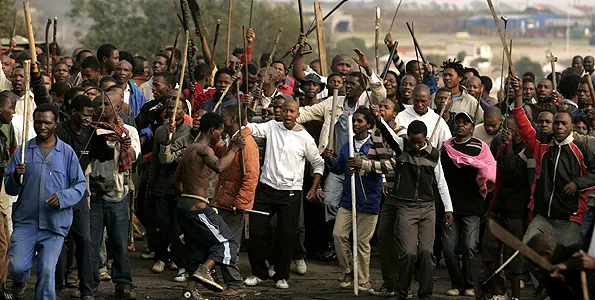
The continuous xenophobic attacks in South Africa have targeted fellow Africans from countries such as Ghana, Nigeria, Zimbabwe, and others to the extent that, the Ghanaian government for instance have had to intervene and facilitate the return of their citizens to safety.
This raises another difficult question:
What is the true meaning of freedom if Africans continue to discriminate against, attack, and reject fellow Africans simply because they come from another African country?
The vision of a united Africa cannot coexist with xenophobia.
We cannot, on one hand, celebrate the abolition of slavery and demand justice from the international community while, on the other hand, tolerating hostility against our own brothers and sisters on African soil.
The ideals behind Pan-Africanism and the African Continental Free Trade Area are built upon the belief that Africa’s strength lies in unity, cooperation, and shared prosperity.
When Africans are made to feel unwelcome in Africa, we undermine the very principles for which generations of African leaders fought.
The struggle against slavery was ultimately a struggle for human dignity. Xenophobia attacks that same dignity.
If Africa is to achieve true liberation, it must not only free itself from historical oppression and economic dependency; it must also free itself from prejudice, division, and the growing tendency of Africans to view fellow Africans as outsiders.
Because an Africa that rejects its own people cannot genuinely claim to be liberated.
Africa gained political independence decades ago, but political independence alone does not guarantee freedom.
True freedom means:
Freedom means creating societies where young people can build meaningful lives without feeling compelled to leave their homeland.
It means ensuring that being born in Africa is an advantage, not a disadvantage.
The recent success in advancing the reparations conversation should not become a destination; It should become a starting point.
African leaders must now focus on strengthening institutions, building productive economies, creating jobs, improving healthcare, investing in education, developing infrastructure, and fighting corruption and waste.
The future of Africa will not be secured by resolutions alone.
It will be secured by governance.
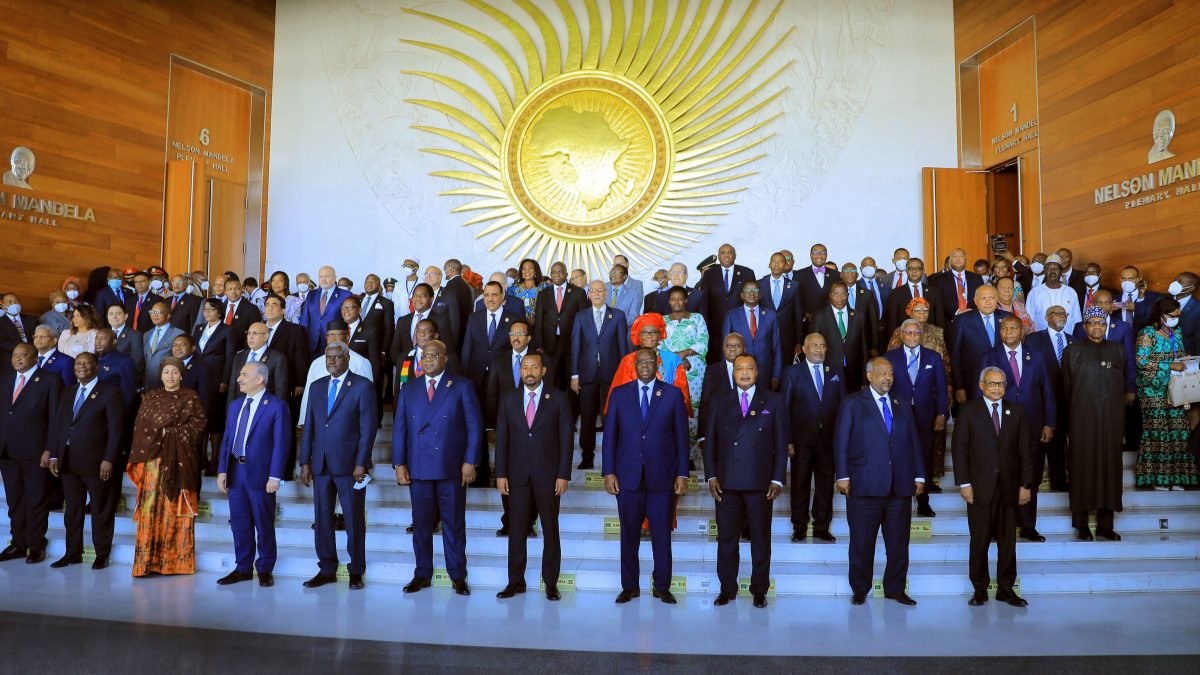
Africa should celebrate the growing global recognition of the horrors of the trans-Atlantic slave trade.
It should celebrate every step toward justice and historical accountability.
But celebration must not blind us to present realities.
A continent cannot truly claim victory over historical oppression while millions of its citizens continue to leave because they see no future at home.
The greatest tribute we can pay to those who suffered through slavery is not merely remembering their pain.
It is building an Africa where future generations never have to seek dignity, opportunity, and hope elsewhere.
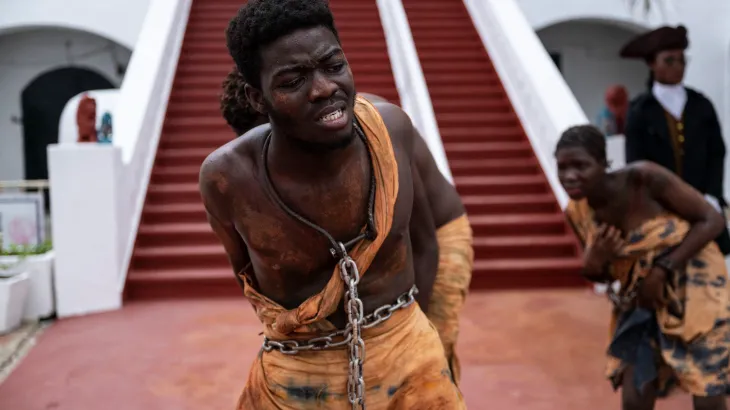
The abolition of the trans-Atlantic slave trade was a victory for humanity.
But the ultimate goal was never simply to end slavery.
The goal was liberation.
And liberation remains incomplete if Africa cannot provide the conditions necessary for its people to thrive.
Africa must not only seek reparations from the past; it must also confront the failures of the present.
It must end the conditions that force its brightest minds abroad. It must reject xenophobia. It must build economies that work for ordinary people. It must create institutions that inspire confidence rather than dependency.
The challenge before Africa today is not merely to remember the past.
It is to build a future worthy of the freedom our ancestors were denied.
Because if we are truly free, then we must be free indeed

Migration itself isn’t the problem. People have the right to seek better opportunities. The real concern is why so many talented Africans feel those opportunities are unavailable in their own countries. We need policies that make staying a viable option.