Head Office
No. 8 Klunye Adjele Street
East Legon, Accra – Ghana

No. 8 Klunye Adjele Street
East Legon, Accra – Ghana
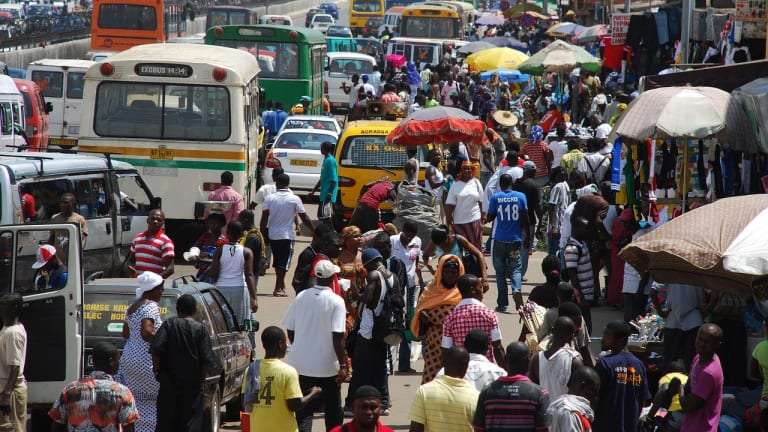
Ghana’s economic outlook has experienced significant turbulence in recent years particularly during and after the COVID-19 pandemic. The combined effects of the global health crisis and the Russia-Ukraine War severely disrupted the country’s economy just like it occurred with many other emerging economies and even developed economies.
In Ghana for instance, inflation surged to unprecedented levels, the Cedi depreciated sharply, and key macroeconomic indicators reached historic highs not seen in decades. Credit rating agencies such as Fitch Ratings and Moody’s Investors Service downgraded Ghana’s economy to “junk” status, signaling high risk to investors.
For ordinary citizens, these were extremely difficult times. The cost of living soared, businesses struggled to survive, and economic uncertainty became the norm. Ghana’s rising debt burden led to the implementation of a domestic debt restructuring programme, which imposed significant losses on bondholders—including pensioners. Many lost their investments and, in some cases, their livelihoods.
The introduction of policies such as the Electronic Levy further intensified public dissatisfaction, as households and businesses faced increasing financial pressure.
In response, the government turned to the International Monetary Fund for a $3 billion bailout programme aimed at restoring macroeconomic stability. While this intervention provided critical relief, it came with strict fiscal reforms and led to the slowdown or suspension of key development projects, including major hospital and road infrastructure initiatives.
By mid to late 2024, Ghana’s economy began showing signs of recovery. Inflation started to ease, the exchange rate stabilized, and GDP growth prospects improved.
From 2025 onward, policymakers have pointed to continued progress, with macroeconomic indicators trending positively. Inflation has declined significantly, and the cedi has shown relative stability against major global currencies.
Yet, despite these improvements, the everyday reality for most Ghanaians remains unchanged. The cost of food, transportation, rent, and utilities continues to rise. Businesses still face high operating costs, and households are under persistent financial strain.
This leads to one critical question:
Why hasn’t economic recovery translated into relief for ordinary Ghanaians?
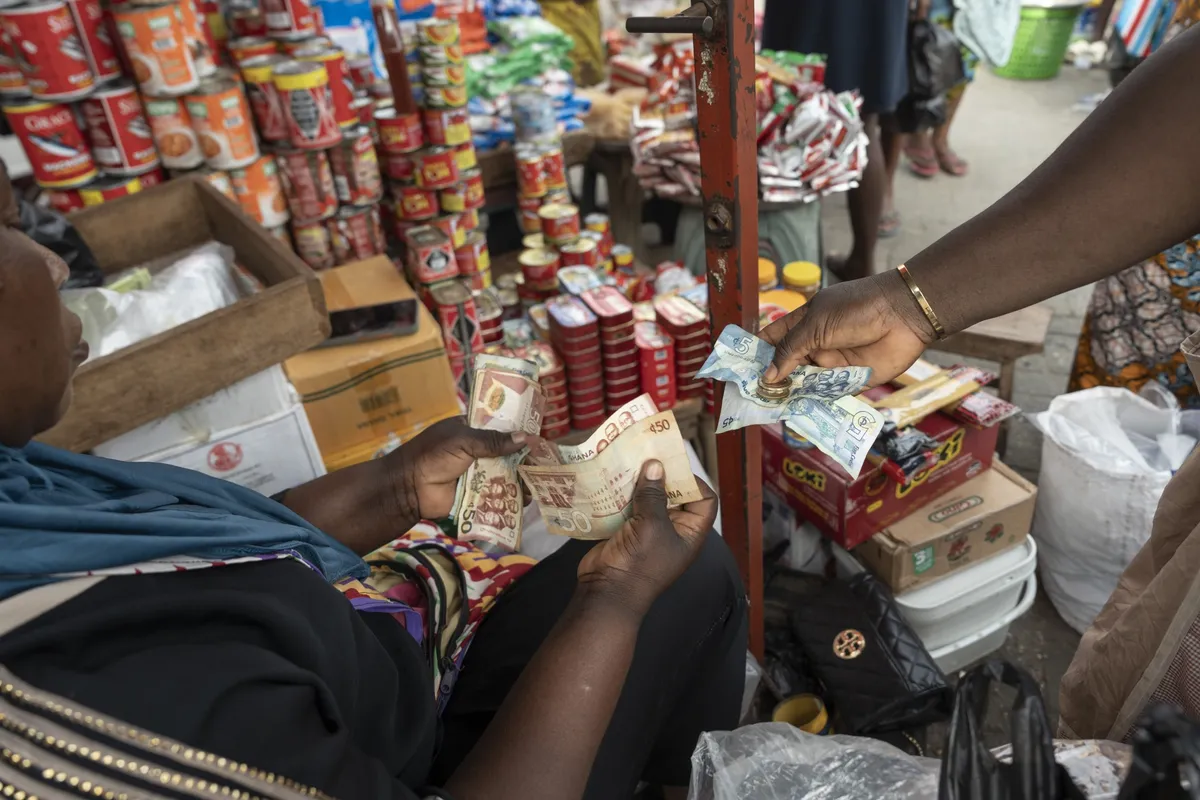
One of the most misunderstood and misinterpreted economic concepts is inflation. It is believed that when inflation declines, prices of goods and services decline, however inflation is simply prices are either rising at a slower rate or they are stable for a longer period of time.
For instance, if food prices increased significantly over the past two years, a reduction in inflation only keeps the current price for a longer period or slows future increases, it doesn’t necessarily reverse previous price hikes. Therefore, most Ghanaian households continue to face the same high price levels even though official data indicates improvement. As a result, households continue to face high costs despite improved inflation figures.
In Ghana’s market environment, businesses tend to increase prices rapidly when costs rise. However, when conditions improve, prices often remain unchanged.
There are several reasons that explains this pattern:
This “price stickiness” means that reductions in inflation do not immediately translate into lower market prices.
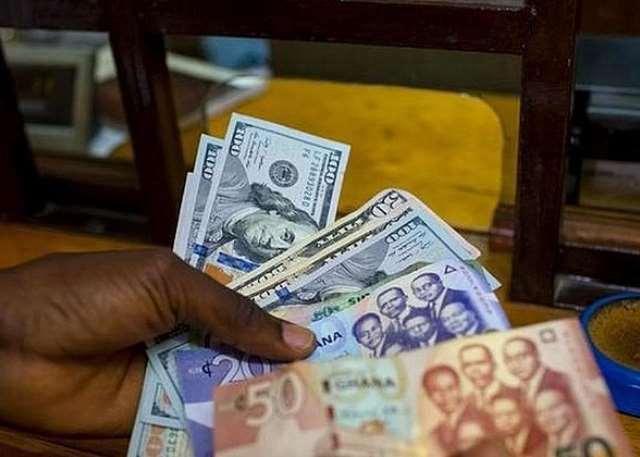
Ghana’s economy is heavily dependent on imports, including fuel, machinery, pharmaceuticals, and consumer goods.
The fact remains that, even when the cedi depreciates, import costs rise quickly and businesses pass-on these costs to consumers. During instances where the exchange rate stabilizes, price reductions do not occur instantly because of the following factors:
As a result of this, the benefits of exchange rate stability take time to reach consumers.
A key reason the Ghanaian’s ordinary economic reality do not experience economic reliefs that are communicated via data is because, income growths are on a slower rate than the rate at which prices are increased.
In fact, while food, transport, rent and utility costs significantly have become more expensive over time amidst currency instabilities, wages in many sectors have not been increased at the same rate.
For instance in 2024 when the economy was still lingering in challenges and was now on the recovery, the National Tripartite Committee (NTC) increased the minimum wage by 22% which saw the daily minimum wage for a Ghanaian employee at GHc 18.15 from the previous GHc 14.88 in 2023.
However, in 2025 where many economic watchers had predicted Ghana’s economic improvement and recovery was on the right direction, the National Tripartite Committee (NTC) increased the minimum wage by 10% making a daily minimum wage of GHc 19.97 and currently in 2026, there’s been an increase of 9% making a daily minimum wage of GHc 21.77.
It is clear that, although minimum wage adjustments have been made in recent years, they have not matched the pace of rising prices. This has led to declining purchasing power and increased financial pressure on households.
In simple terms, the cost of living has grown faster than earnings.
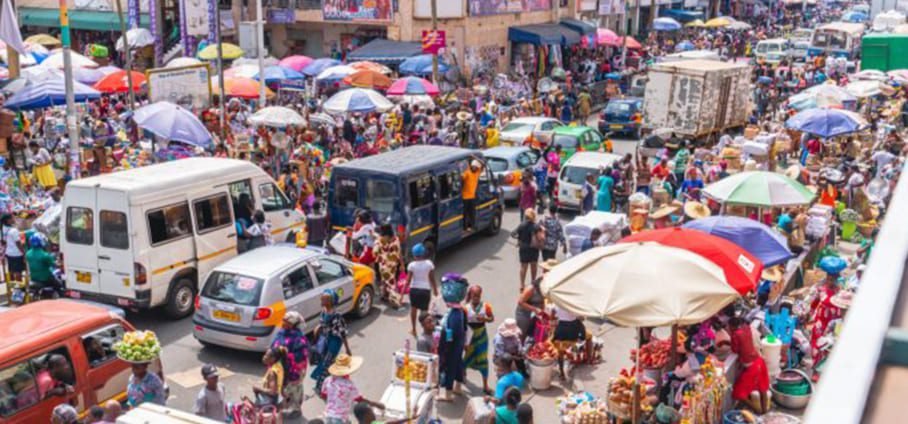
Beyond short-term economic shocks, Ghana faces deeper structural challenges that continue to drive high prices, these challenges includes:
Indeed, until Ghana begin to produce more of what it consumes domestically, external shocks such as the Russian-Ukraine war, the Iran-U.S. war, global commodity prices just like what’s happening to the cocoa sector currently, the performance of the US dollar on the international market and currency fluctuations will continue to affect domestic prices which will translate in an uncomfortable living condition of the ordinary Ghanaian.
Ghana’s improving macroeconomic indicators represent an important step toward stability. However, stability alone is not enough.
The real test of economic recovery lies in its ability to improve the daily lives of citizens. As long as high prices, stagnant wages, and structural inefficiencies persist, the benefits of economic progress will remain largely invisible to the ordinary Ghanaian.
What is required now is a shift in focus from celebrating economic data to ensuring inclusive, people-centered economic outcomes.
Because ultimately, economic success must not only be measured in numbers but in the lived experiences of the people.

Even though Ghana’s economy may be improving on paper, most people don’t feel it because the cost of living is still very high and incomes haven’t increased much. Jobs are also limited, and the benefits of growth tend to go to a small group of people. Events like the COVID-19 pandemic and the Russia-Ukraine War have made things even harder by pushing up prices. So, for the average person, life hasn’t really improved.