Sustainable Agricultural Reintegration Program (SARP)

The Sustainable Reintegration Program (SARP) is a strategic initiative aimed at supporting the successful reintegration of inmates into society through diverse skills training, community engagement, and family support. While agriculture remains a core component, the program also introduces additional vocational and technical training options, providing inmates with a variety of skills and pathways for reintegration.

This initiative is designed not only to promote economic independence and social cohesion but also to foster sustainability and create hope for life after incarceration. It aims to inspire a sense of purpose, dignity, and responsibility in inmates, enabling them to prepare for a positive future within their communities.

Objectives

Skills Training & Capacity Building

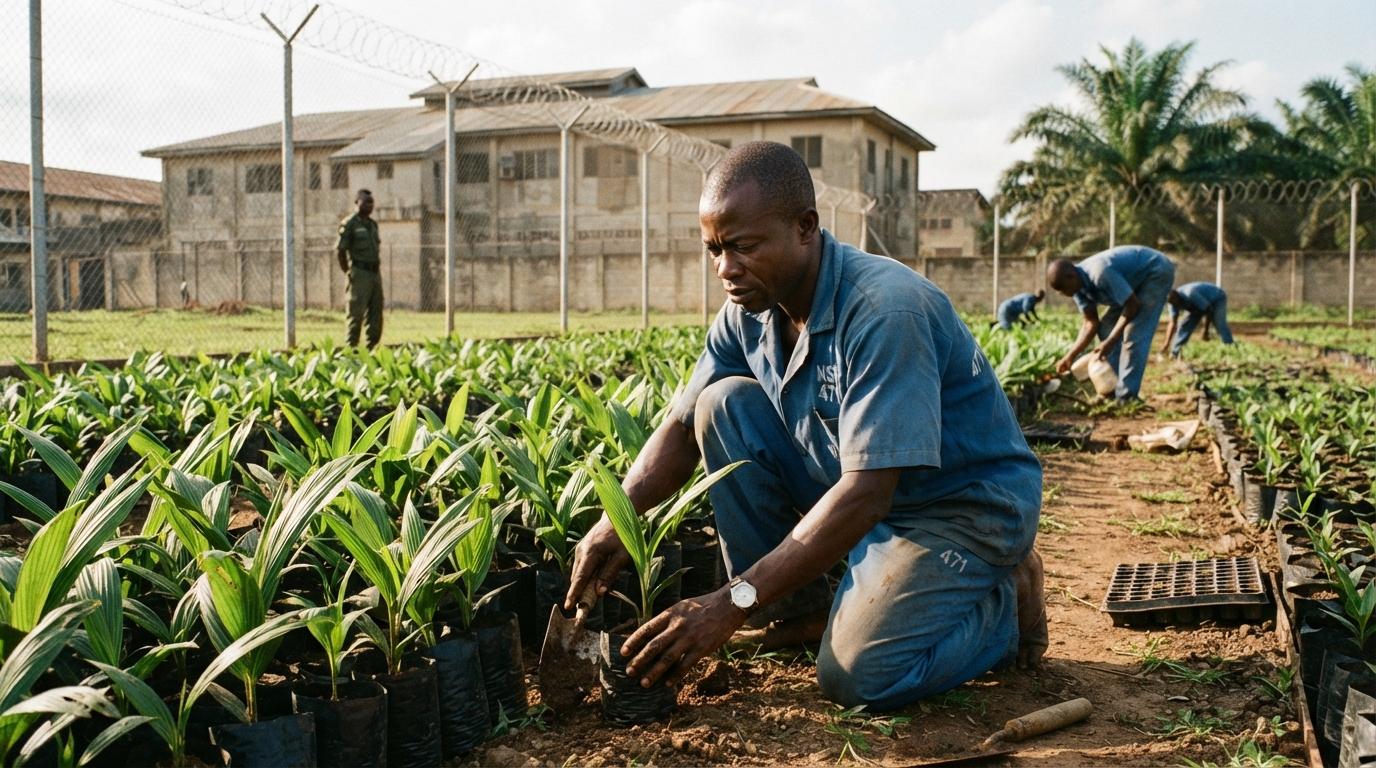
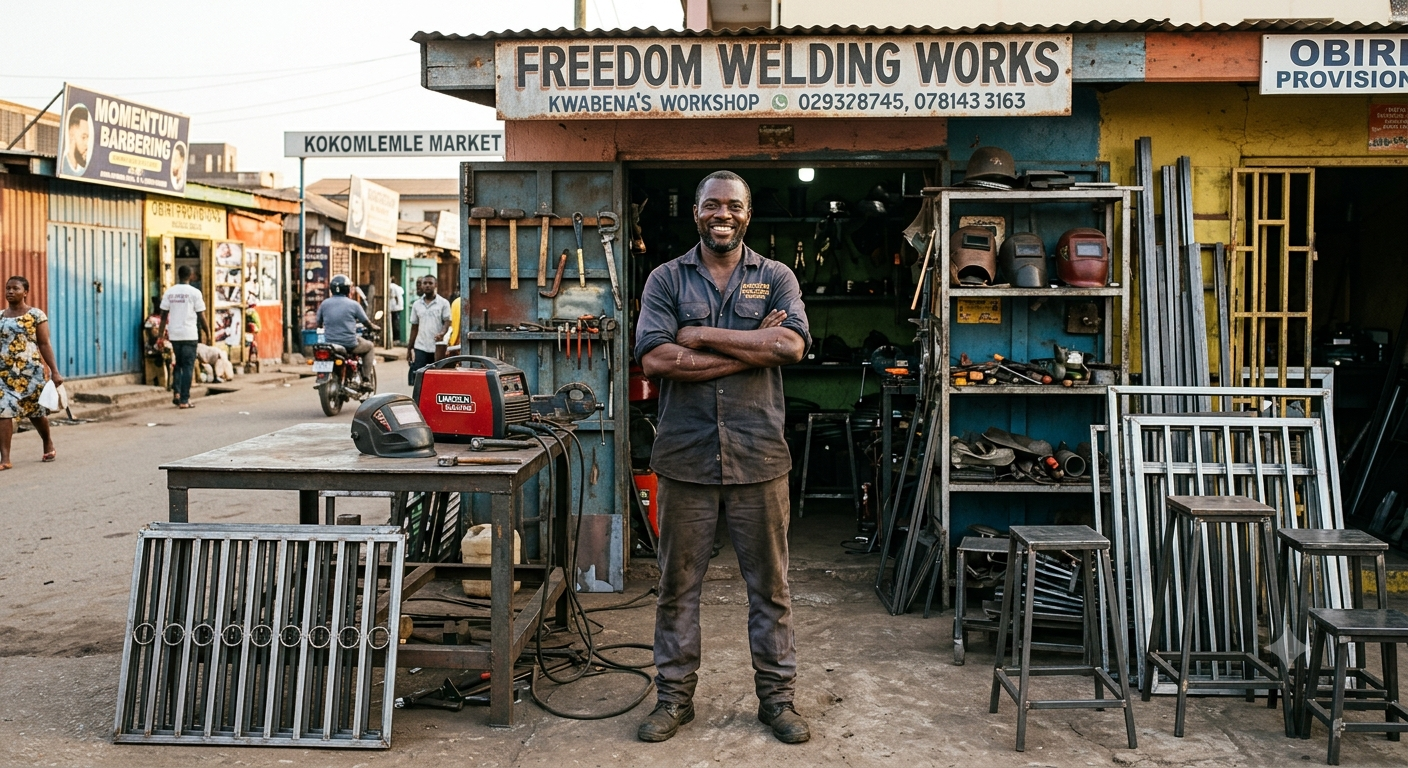
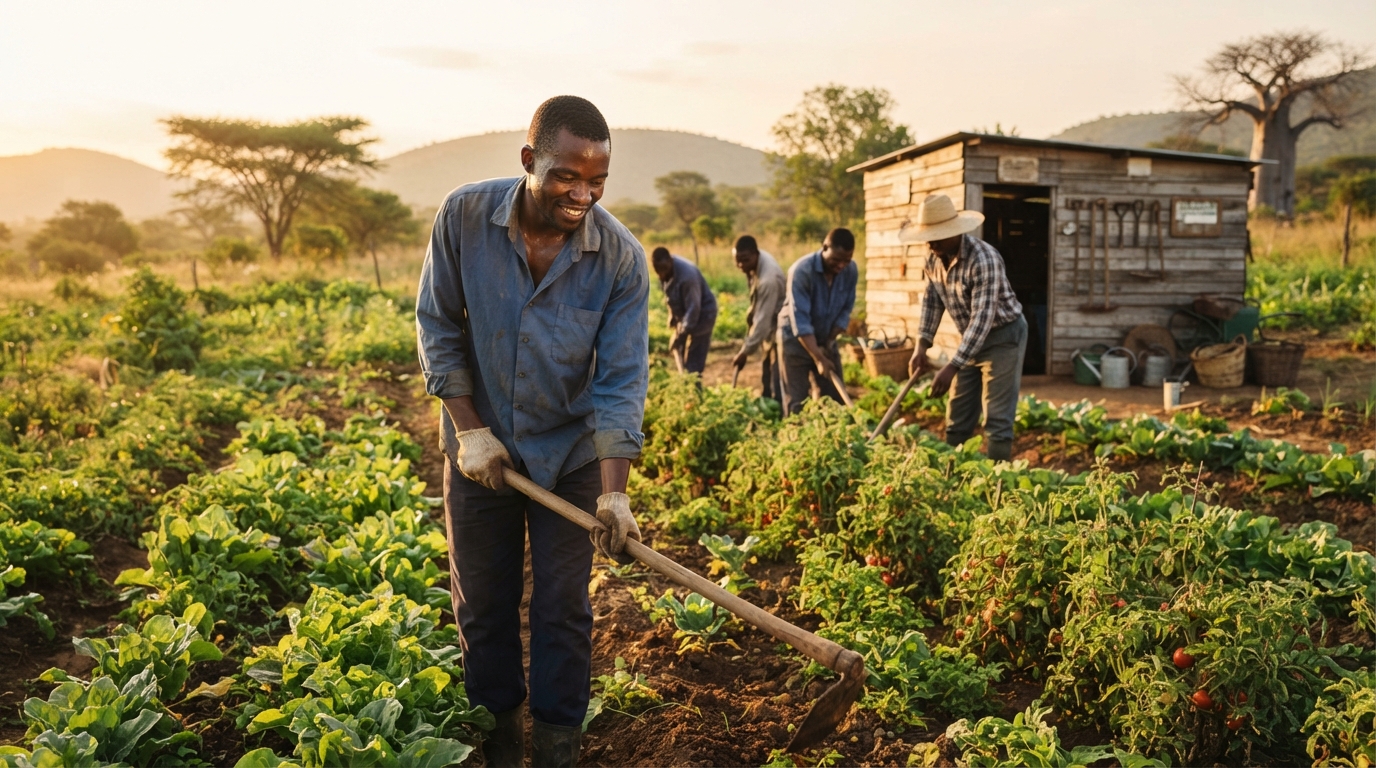
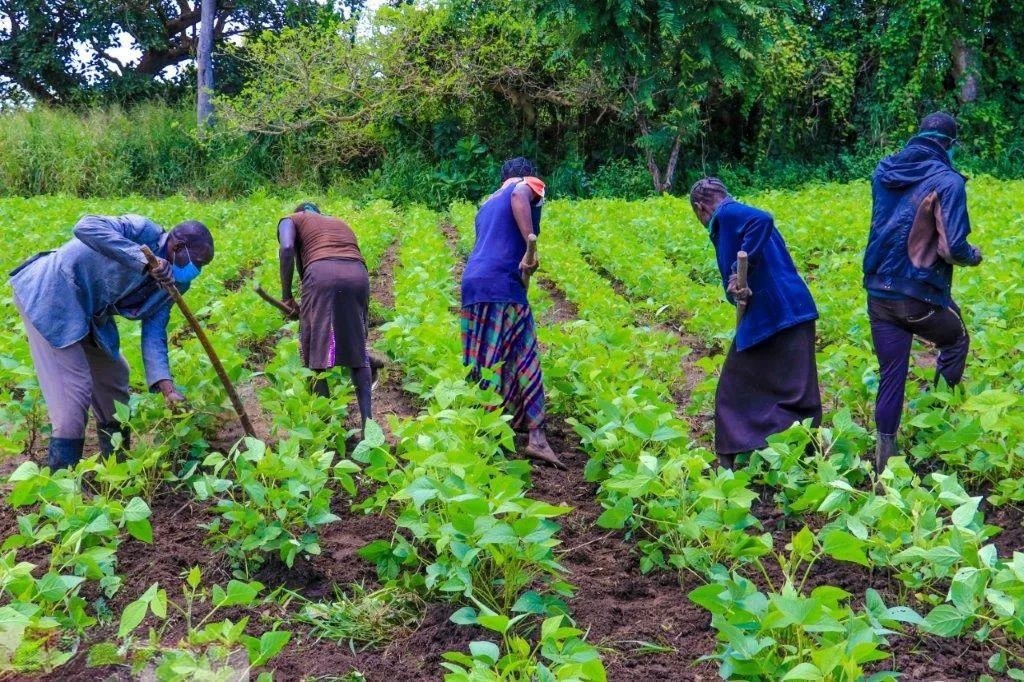
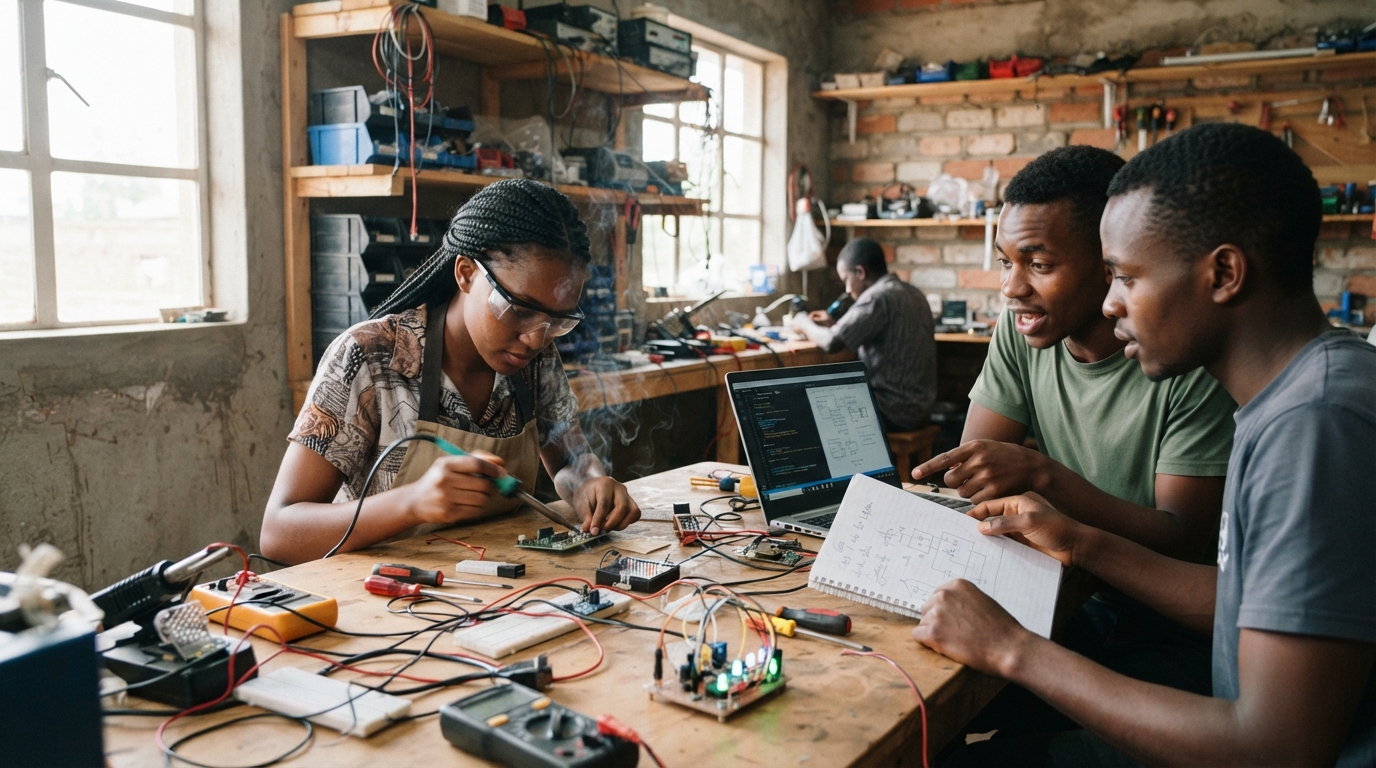
Agricultural Skills: Equip inmates with practical, hands-on agricultural skills to prepare them for productive roles upon release. Additional Vocational & Technical Skills: Introduce a broad range of training programs such as carpentry, tailoring, computer literacy, plumbing, electrical work, and more, to provide diverse options tailored to local economic opportunities.

Economic Independence & Social Reintegration

Promote financial self-sufficiency for former inmates through various skill sets. Facilitate smoother social reintegration, thereby reducing recidivism.

Facility Development

Design and construct correctional facilities equipped with specialized training centers for agriculture and other vocational skills. Develop infrastructure that supports the diverse training programs.

Partnership Engagement

Collaborate with local businesses, NGOs, vocational training institutions, and community organizations. Strengthen resource mobilization, support systems, and ensure the sustainability of the program.

Family and Child Support

Spousal Support & Family Bonding: This component is designed to foster ongoing family support, strengthen familial bonds, and maintain family unity during incarceration. It provides assistance and resources to spouses and children, helping to sustain family stability.

Support During Incarceration: Offer services to help families cope with incarceration, access resources, and prepare for eventual reunification.

Monitoring & Evaluation

Establish mechanisms to assess the effectiveness of all training components. Track progress and measure outcomes for inmates, families, and communities.

Fostering Hope & Sustainability

Create an environment that inspires inmates to envision a positive future beyond incarceration. Build a sustainable framework that provides ongoing opportunities for personal growth, dignity, and life transformation post-release.

Strategic Focus & Implementation

Regional Rollout & Expansion

Pilot the program in selected regions with high incarceration rates, integrating multiple training options. Expand nationwide based on pilot results and best practices.

Addressing Overcrowding

Reduce prison populations through effective reintegration strategies that leverage diverse skills to improve employability. Alleviate overcrowding issues by facilitating timely and successful reintegration.

Community Engagement

Involve local communities in supporting reintegration efforts. Develop community-based support networks to sustain the program's benefits.

Additional Components

Holistic & Diversified Approach:

SARP offers not only agricultural training but also a wide array of vocational and technical skills, providing multiple pathways to successful reintegration.

Family Support During Incarceration:

Maintaining family stability is central, with services designed to strengthen family bonds and ensure that families remain connected and supported during incarceration.

Creating Hope & Promoting Sustainability:

The program aims to motivate inmates by providing meaningful opportunities for personal and professional development, fostering hope for a better future. Its emphasis on sustainability ensures that these benefits extend long-term, supporting continuous personal growth and community stability.

Strengthening Family Bonds & Responsibility:

The spousal and family support component encourages families to stay united and resilient. It also emphasizes that incarcerated parents can still fulfill their responsibilities, remain involved, and maintain hope for future reunification.

Sustainable Development

The program prioritizes sustainability, economic empowerment, and social cohesion through diverse skills training, ongoing family support, and long-term community engagement.

The Sustainable Reintegration Program (SARP) is a comprehensive, multi-faceted initiative designed to transform correctional rehabilitation. By offering a variety of skills training options, fostering hope, strengthening family bonds, and ensuring sustainable support, the program aims to build safer, more resilient communities across the continent. Empowering inmates with purpose, responsibility, and ongoing family support, SARP strives to promote lasting positive change and social stability.