Head Office
No. 8 Klunye Adjele Street
East Legon, Accra – Ghana

No. 8 Klunye Adjele Street
East Legon, Accra – Ghana
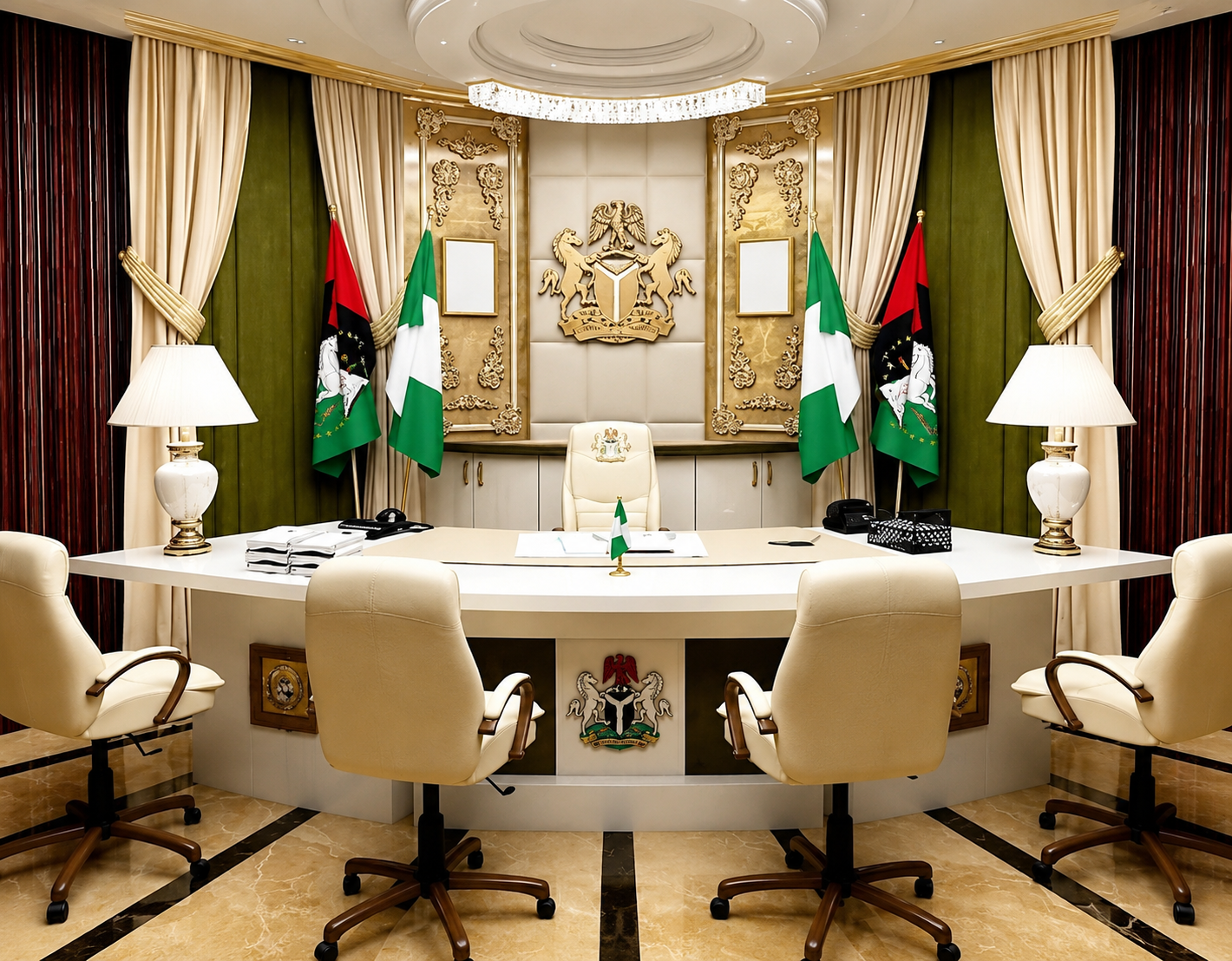
The recent revelation of a suspected fictitious government agency allegedly operating from within Nigeria’s Presidency has sent shockwaves across Africa.
According to several media reports, the agency known as: Presidential Foreign Intervention Promotion Council (PFIPC) is alleged to have existed since 2024, operated from within the Presidency, maintained a bank account with the Central Bank of Nigeria, and even received budgetary allocations running into billions of naira before questions were finally raised.
If these reports are ultimately confirmed, this would not merely represent another corruption scandal.
It would expose a profound failure of governance, oversight, and institutional accountability at the highest levels of the Nigerian state.
More importantly, it should force Africa to confront a difficult question:
How can institutions established to protect public resources fail to detect a supposedly non-existent agency for nearly two years?
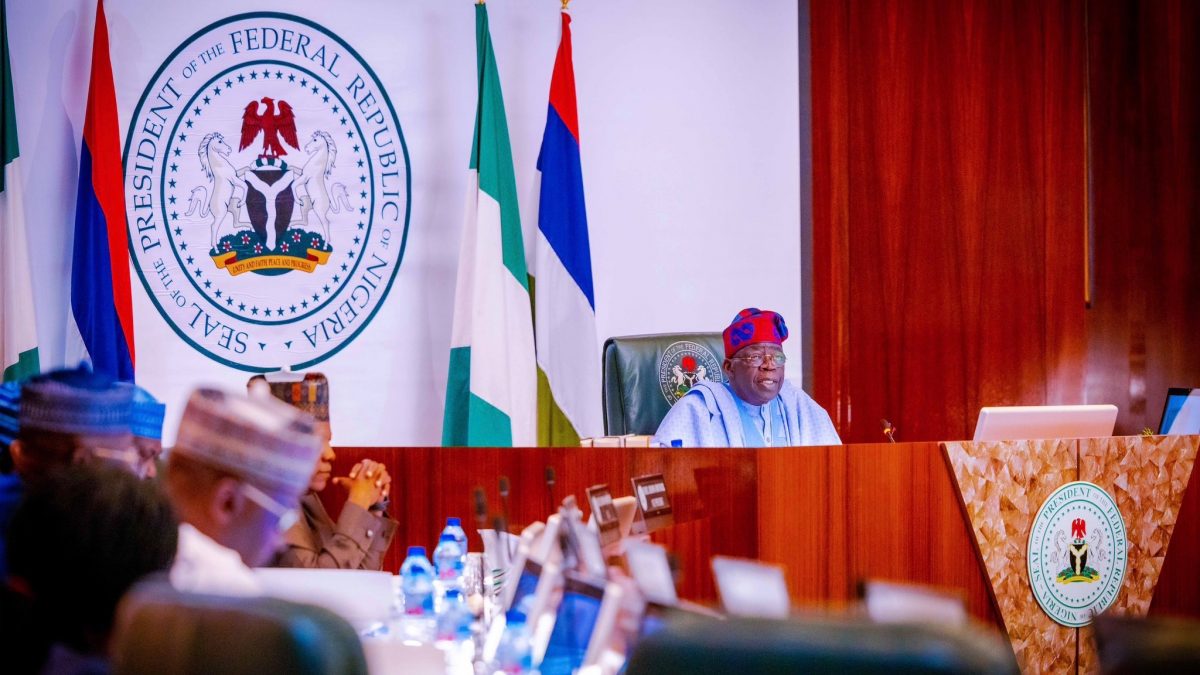
President Bola Tinubu has reportedly stated that he had no prior knowledge of the agency and has ordered an investigation.
The decision to investigate is welcoming. However, the investigation must answer several fundamental questions that Nigerians deserve to have addressed.
Several report suggests that, the alleged agency operated from within the Presidency since 2024, if that is the case, how could such an entity remain unknown to the Office of the President for almost two years?
If the agency reportedly opened an account with the Central Bank of Nigeria, what due diligence and verification processes were followed before the account was approved?
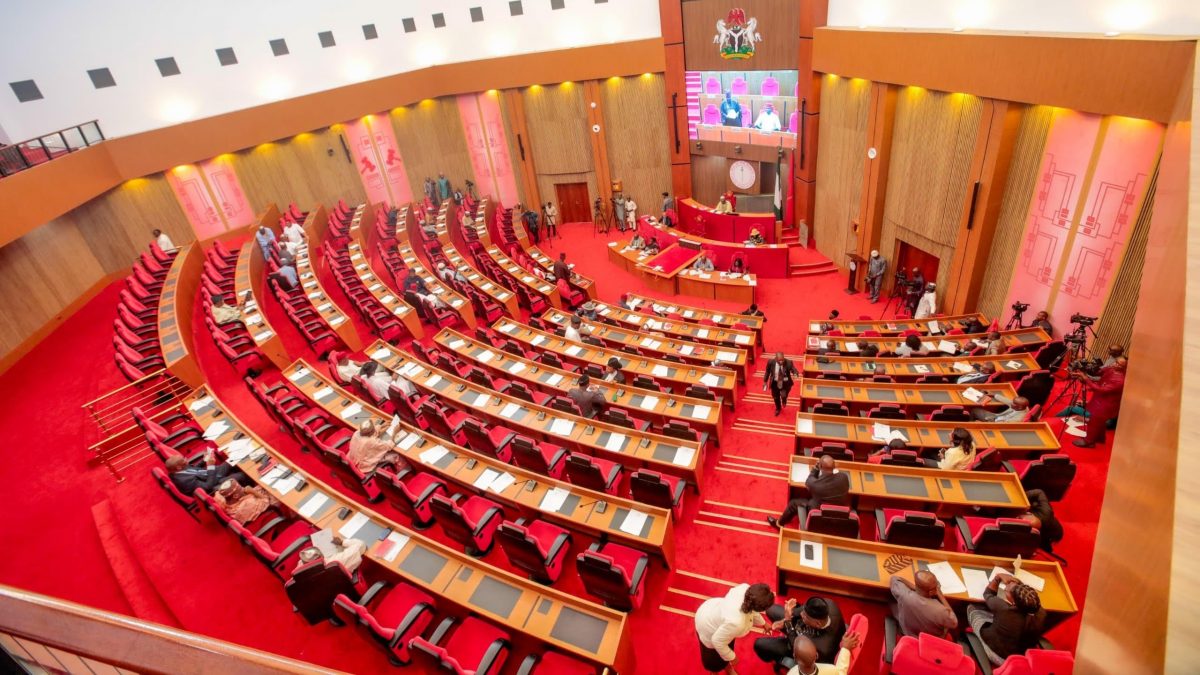
If the agency received allocations in the 2026 Appropriation Act, at what stage of the budget preparation, executive review, cabinet approval, legislative scrutiny, and appropriation process did no one question its legitimacy?
These are not minor administrative errors.
They point to potential systemic failures that require thorough and transparent examination.
Honestly, one of Africa’s recurring challenges in combating corruption is the tendency to isolate responsibility.
When scandals emerge, investigations often focus on lower-ranking officials while larger institutional questions remain unanswered.
However, this case demands a broader approach.
If public funds were indeed allocated to a fictitious agency, then every institution responsible for financial governance and oversight must be strictly investigated.
That includes:
The purpose for this investigation is not to prejudge anyone’s guilt; it is to establish where the governance system failed and who, if anyone, bears legal or administrative responsibility.
Moreover, Africa’s development challenges are often discussed in terms of foreign investment, infrastructure deficits, debt, and unemployment.
Yet one issue continues to undermine progress more than almost any other: Institutional corruption.
Nigeria, like many African countries, continues to grapple with insecurity, unemployment, inflation, and pressure on public finances.
Every public resource matters.
If billions of naira were diverted through a fictitious institution, the cost is measured not merely in money but in roads left unbuilt, hospitals left underfunded, schools left unequipped, and communities denied essential public services.
Corruption is not simply a financial crime; It is a direct assault on development.
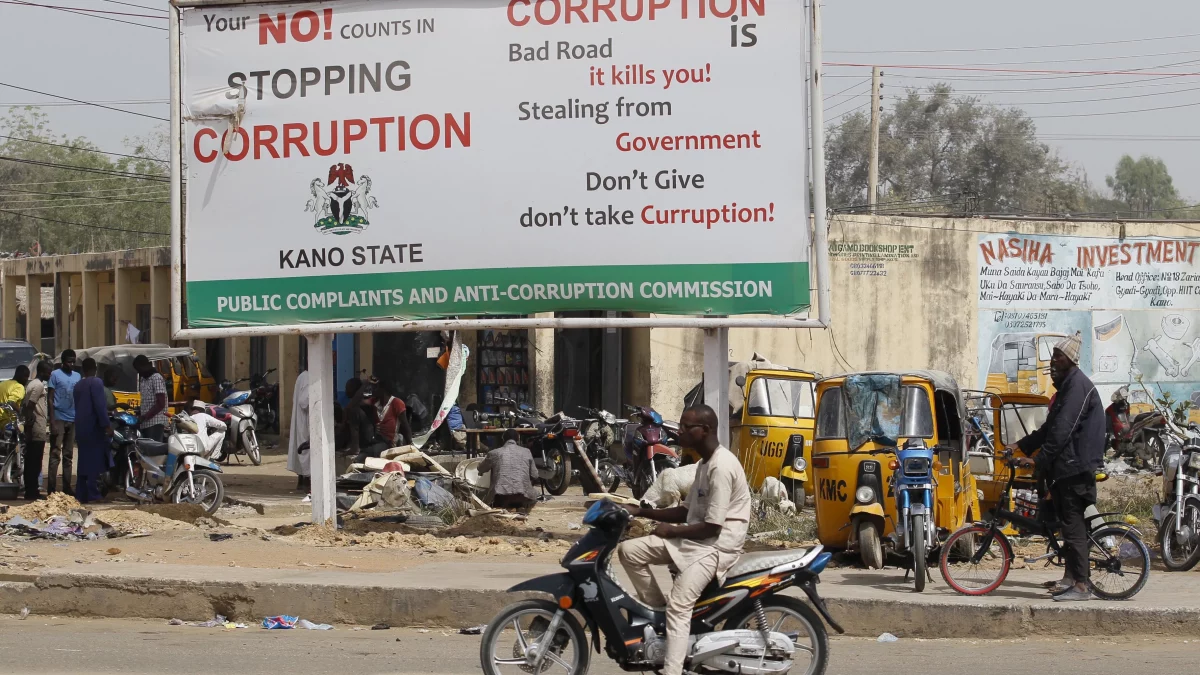
Nigeria’s civil society organizations have historically played an important role in promoting transparency and democratic accountability.
This moment demands that same vigilance.
Public pressure should not seek political point-scoring. It should seek truth.
Citizens deserve to know:
Until these questions are conclusively answered, public confidence in government institutions will remain weakened.
The greatest mistake any government can make during a corruption investigation is to define its limits before the evidence does.
No office should be considered beyond scrutiny simply because of its status.
No institution should be insulated from accountability because of political sensitivity.
Investigators must be empowered to follow every document, every approval, every financial transaction, and every official decision wherever the evidence leads.
Only an independent, transparent, and comprehensive investigation will restore public confidence.
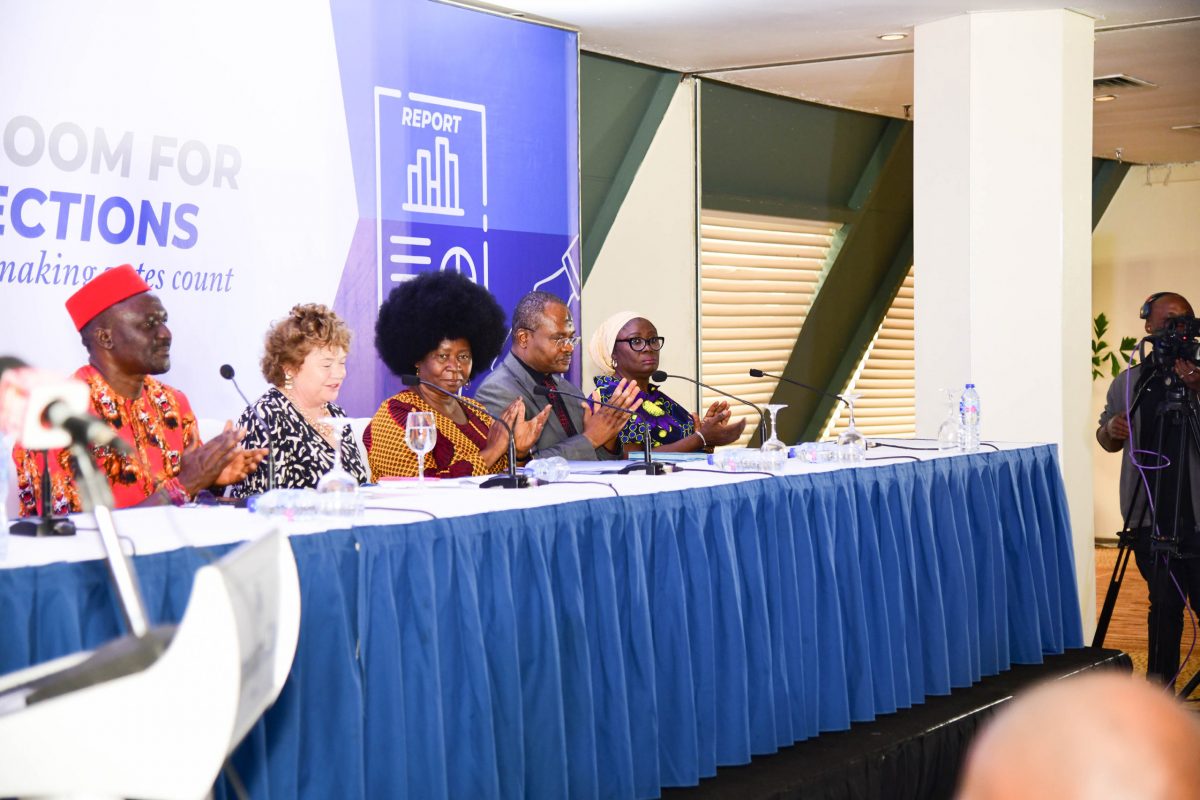
This case should concern more than Nigeria.
It is a reminder to governments across Africa that strong institutions cannot exist without equally strong oversight.
Presidential offices, central banks, finance ministries, audit institutions, and legislatures must operate with transparency, robust internal controls, and real accountability.
Public trust is one of the most valuable assets any government possesses.
Once that trust is weakened, rebuilding it becomes far more difficult than protecting it in the first place.
If the allegations surrounding this ghost agency are substantiated, then this would rank among the most troubling governance failures in recent Nigerian history.
The response must therefore match the seriousness of the allegations.
Africa cannot continue treating corruption as an unfortunate routine.
It must become politically costly, legally consequential, and institutionally impossible.
The investigation should leave no office beyond scrutiny and no legitimate question unanswered.
Because every naira lost to corruption is money stolen from the future of ordinary Nigerians.
And Africa cannot build the prosperous future it seeks while allowing public institutions to become vulnerable to such profound failures of accountability.

The rate at which leaders take responsibility in this part of the world without any regard for accountability is very bed. It about time we shoulder up and leave no stone unturned
Nigerians call for accountability!!!
Exactly. Nigeria in its current state like many African countries really need selfless leaders. There are too selfish leaders in this continent. And for me, I think we the citizens empower the kind of leaders we have.