Head Office
No. 8 Klunye Adjele Street
East Legon, Accra – Ghana
No. 8 Klunye Adjele Street
East Legon, Accra – Ghana
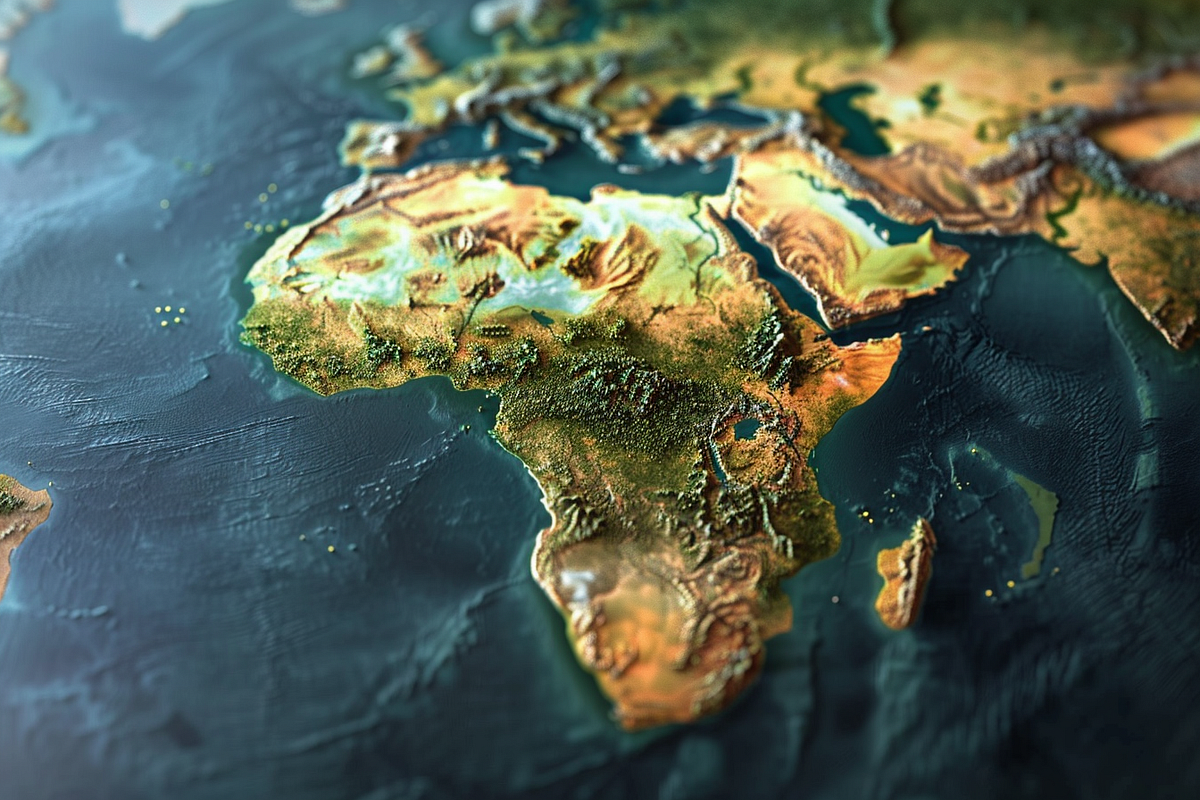
A single question sits at the heart of Africa’s future: Is Africa truly capable?
This is no longer rhetorical; it is a test of direction.
Africa is abundantly blessed with natural resources, fertile land, and human potential. Yet, despite this, the continent continues to face poverty, dependency, and slow development.
Why does a resource-rich continent remain economically vulnerable?
Africa exports raw materials but imports finished value.
This is the paradox: wealth exists, but power does not.
Without systems to transform resources into productivity, prosperity remains externalized.
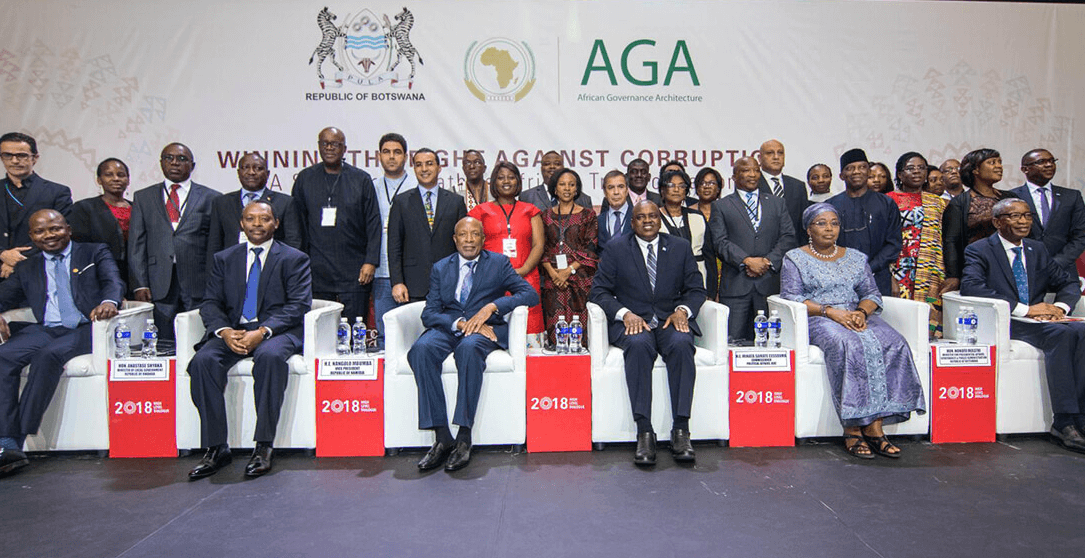
A major challenge lies in governance.
Many African states operate systems that are not fully aligned with their cultural, historical, and economic realities. The transition into modern governance structures happened without adequate adaptation or recovery from colonial and post-slavery disruptions.
At the same time, industrialization the engine of global power, remains underdeveloped.
Without it, growth cannot be sustained.
Countries like China and the United Arab Emirates advanced by:
Their success was intentional.
Africa, however, is still in search of a clearly defined path.
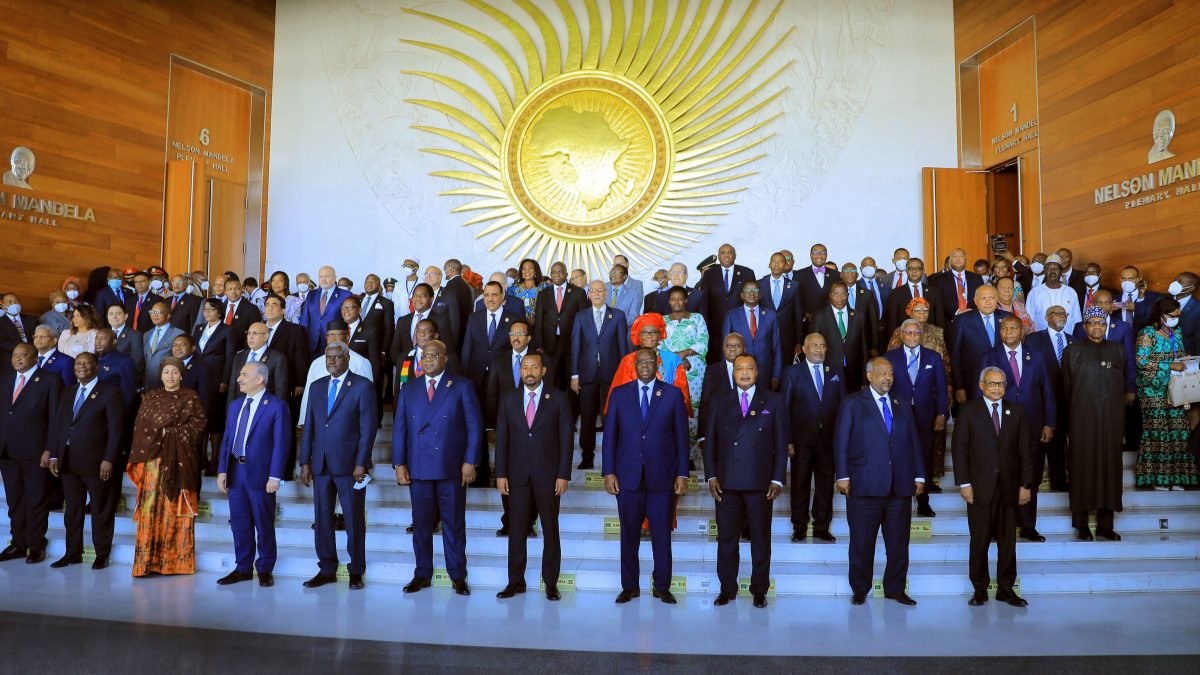
Weak accountability systems and leadership inefficiencies continue to expose African economies to external control.
This is systemic.
Weak systems produce weak outcomes—and delay progress.
If current trends persist, Africa risks remaining: a supplier of raw materials rather than a creator of value.
The issue is no longer potential—it is coordination and execution.
Africa must act decisively:
Above all, Africa must pursue strategic independence, not isolation.
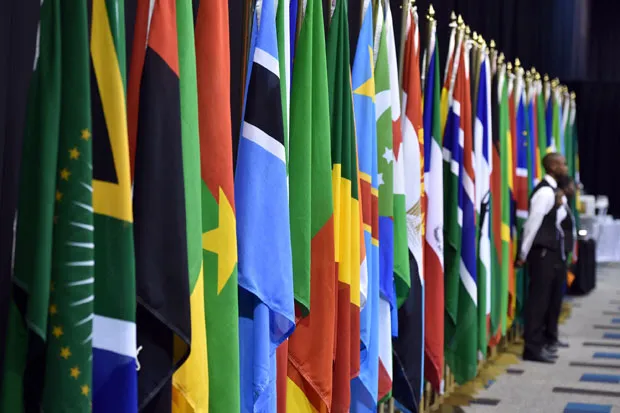
Africa is capable.
The resources exist.
The people are ready.
What remains is leadership, alignment, and execution.
The real question is no longer whether Africa can rise—
It is whether Africa will act.
