Head Office
No. 8 Klunye Adjele Street
East Legon, Accra – Ghana

No. 8 Klunye Adjele Street
East Legon, Accra – Ghana

African governments have successfully proven over time that, they are not short of policy ambitions; this is seen in the number of national development plans which mostly spans short, medium and long-term, regional development frameworks such as Agenda 2063 and the African Continental Free Trade Area (AfCFTA). Interestingly, these policies are bedeviled with persistently weak implementation processes which stalls developments and growth amongst African countries. Although these implementation failures are often attributed to limited funding, data constraints and limited capacity, these justifications miss a profound and decisive factor, which is POLITICS.
In Africa, politics is the stumbling block to an effective policy implementation not policy formulation.
Factually, Public Policy is inherently long-term in nature, however African politics is dominated by short electoral cycles, regime survival and elite bargaining. Due to this discrepancy, policies are enacted for the purposes of signaling and legitimacy, but their actual implementation is contingent on political expediency. As a result of this, governments usually are at the heart of announcing reforms without enforcing them, selectively implement reforms that protect political alliances or discreetly abandon policies that impose short-term political costs. This results in implementation becoming more of a political calculation and not a governance obligation.
In many African countries, elections are zero-sum games with significant political and economic stakes. Therefore, even when policies are economically viable, governments refrain from implementing these policies especially if it can cause them to lose favour with key individuals and groups especially their political party members and affiliates.
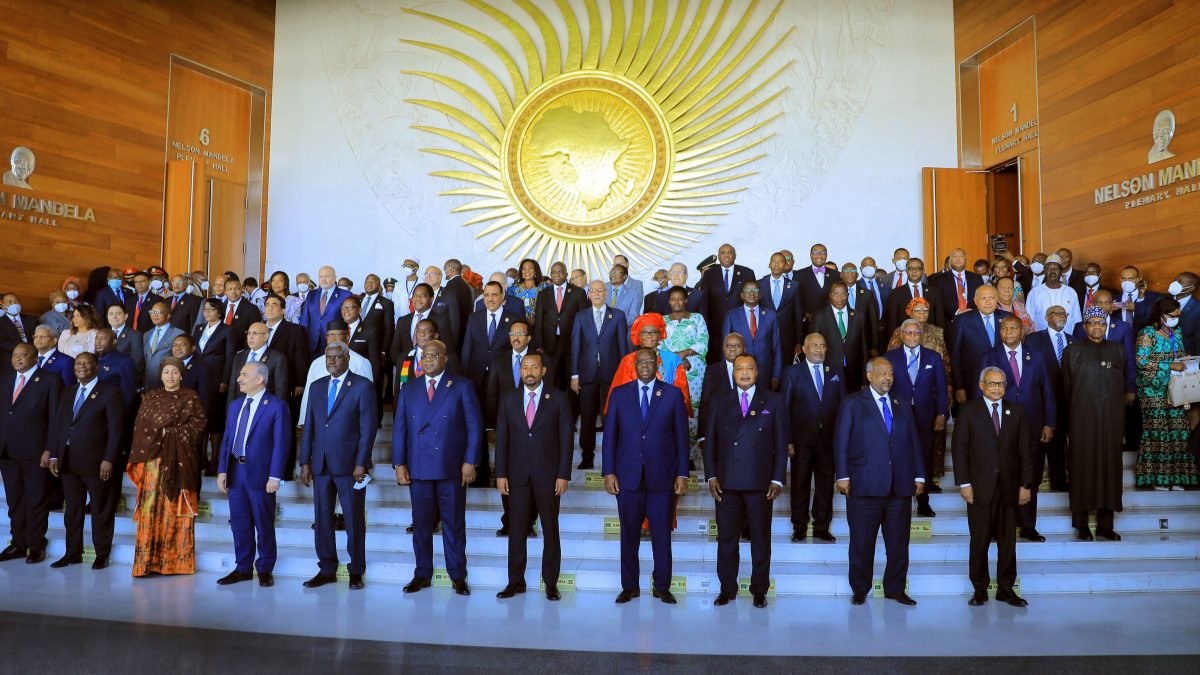
A prime example is Nigeria’s fuel subsidy system where despite decades of evidence that proves fuel subsidies disproportionately benefit elites and distort public finances, successive governments delayed any possible reforms due to fear of public backlash and labour unrest. When the subsidy was finally removed in 2023, it was abrupt, ill-prepared for, and politically destabilizing, demonstrating how long-term political avoidance often results in more painful consequences.
Similarly, tax reforms across the continent often stall because expanding the tax net jeopardizes informal sector participants who are major stakeholders in electoral mobilization.
Furthermore, one of the most obvious political barriers to policy implementation in Africa is policy discontinuity following regime changes. For instance, in Ghana, successive governments have repeatedly either rebranded or abandoned development programmes initiated by predecessors, despite having similar policy objectives. Infrastructure projects, industrialization initiatives and projects, and social intervention programmes are frequently put on hold, supposedly audited indefinitely or renamed to claim political ownership. This results in waste of scarce resources and discourages long-term planning within the civil service, clearly being evident that political loyalty outweighs policy consistency.
Consequently, on the regional level, political constraints are even more noticeable, where African governments frequently sign agreements that they are unwilling to implement domestically. For instance, ECOWAS’s Free Movement Protocol which was adopted in 1979 to guarantee the right of residence and establishment of member states still lingers as border closures, harassment of migrants and administrative restrictions persists. For instance, Nigeria’s unilateral border closure in 2019 demonstrated how national political considerations can override regional policy obligations even in spite of ECOWAS commitments to its Free Movement Protocol.
The AfCFTA faces comparable risks; where, while politically hailed at the continental level, its success hinges on domestic reforms that many governments are reluctant to implement due to pressure from regional interest groups and concerns about revenue loss.
Politics also determines who experiences the execution of policies. Elites in Africa often ostentatiously support reforms while insulating themselves from their consequences. When senior officials and political leaders depend on foreign healthcare, foreign education and offshore assets, they lack incentives to improve, enhance and strengthen domestic public systems. For example, political elites’ ability to circumvent public facilities contributes to the persistent implementation challenges with Kenya’s healthcare reforms. The instance where elites are not reliant on the system, public accountability and policy urgency fades. This selective enforcement creates a dual governance structure; one for citizens and another for the political class, undermining trust and compliance.
Additionally, Africa’s reliance on external funding further deepens the politicalization of policy implementation. IMF programmes, World Bank budgetary supports, and sovereign bond markets impose conditionalities that basically reshapes domestic policy priorities.
Although the goal of these agreements is to restore macroeconomic stability, they often constrain political space for context-sensitive implementation. Governments must balance managing internal political repercussions with satisfying external creditors while managing domestic political fallouts.
In several IMF-supported African countries, austerity-driven reforms have trigged protests by citizens, forcing governments to postpone or weaken implementation processes regarding policy decisions. In such situations, policy becomes performative; designed to signal compliance externally, instead of producing inclusive outcomes internally.
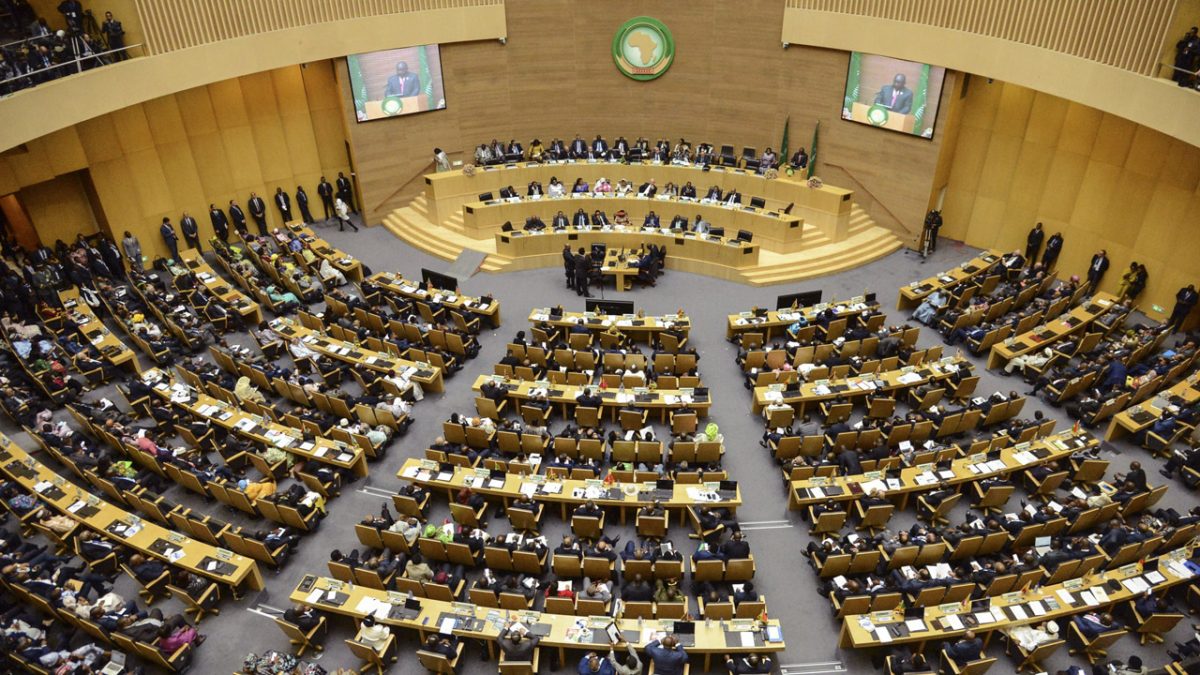
In order to ensure an effective implementation of policies, institutions must be insulated from political interference, nonetheless, in many African countries, these institutions are highly politicized; boards and chief executives are all appointees of the current government making it difficult for non-partisanship at the institution level.
Basically, political loyalty influences appointments, procurements and even regulatory enforcement. The oversight responsibilities which are expected of regulatory and oversight agencies are not even autonomous as they are all political in their nature.
This weak accountability environment reduces the value of policy implementation and normalizes non-performance on the part of these institutions.
There is no lack of ideas or policy frameworks in Africa, however it suffers from political systems that make it difficult to be effective. Until politics is confronted honestly as a central variable rather than an inconvenient backdrop, policy implementation will continue to lag, regardless of how well policies are formulated or funded. Therefore, improving political alignment with development outcomes rather than enhancing policy designs is the real reform challenge required to ensure policy implementations succeed in Africa.
