Head Office
No. 8 Klunye Adjele Street
East Legon, Accra – Ghana

No. 8 Klunye Adjele Street
East Legon, Accra – Ghana
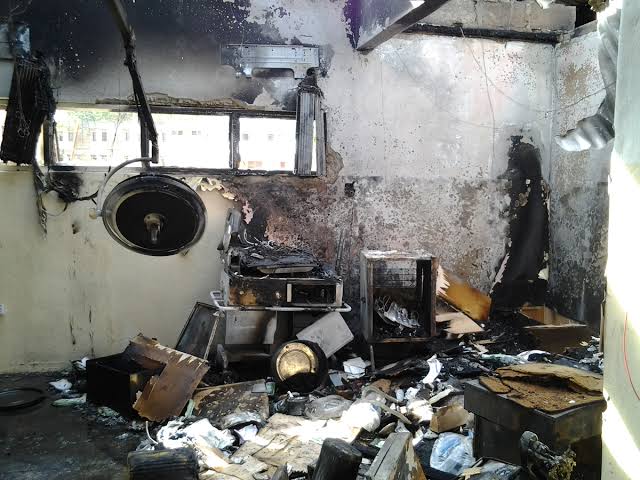
There are certain moments in life that divide time into “before” and “after.” For me, one of those moments was watching flames consume part of my home.
Like many people, I had always assumed that if a fire broke out, all I needed to do was call the fire service and wait for help to arrive. What I witnessed that day, however, gave me a deeper appreciation of the sacrifices firefighters make and the enormous challenges they face every time they respond to an emergency.
When officers of the Ghana National Fire Service arrived at the scene, they came ready to fight. Their determination was evident. Their commitment to saving lives and property was unquestionable. Yet I was shocked by the conditions under which they were expected to work.
The firefighters who arrived did not have adequate protective equipment. Their oxygen tanks were empty. There was no immediate water supply available to begin fighting the fire effectively. Family members, neighbours, and community members had to assist in sourcing water while the fire continued to spread.
As I stood there watching the situation unfold, one question kept running through my mind:
How can we expect our firefighters to protect us when they themselves are not adequately protected?
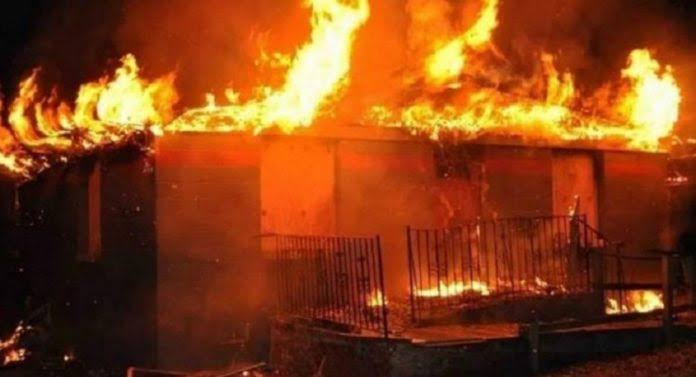
The experience forced me to look beyond the fire itself and focus on a larger problem—one that affects communities across Ghana every day.
We often celebrate firefighters as heroes, and rightly so. They rush toward danger when everyone else is running away from it. They enter burning buildings, rescue victims from accidents, and respond to emergencies under extreme pressure.
Across Ghana, firefighters continue to perform their duties despite numerous operational challenges. Many stations work with aging equipment. Water hydrants are often unavailable or non-functional. Protective gear is insufficient in many locations. Emergency response efforts are sometimes slowed by logistical constraints that are beyond the control of the officers on the ground.
Yet when disasters occur, public frustration is often directed at the firefighters themselves rather than the conditions under which they are expected to operate. My experience changed that perspective forever.
What I witnessed was not a failure of personnel. It was a reminder that even the most dedicated professionals cannot consistently deliver world-class emergency response without world-class support.
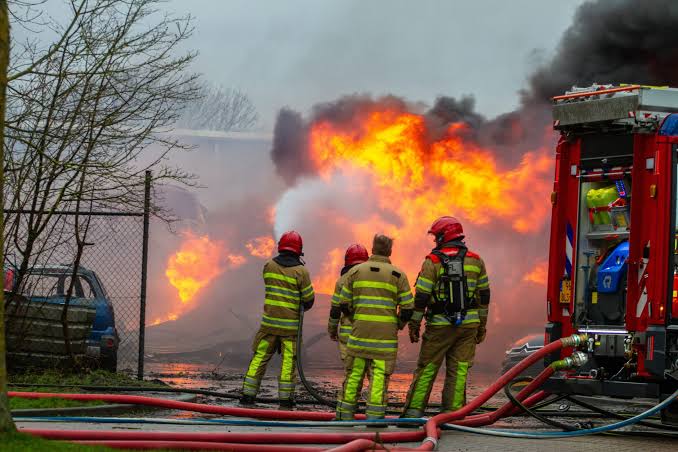
The truth is simple: Ghana’s firefighters are fighting two battles every day.
The first is against fire itself.
The second is against inadequate resources.
The tragedy is that the second battle is one we can actually solve.
As citizens, we rarely think about firefighters until we need them. But when that moment comes, we expect them to be ready. We expect the trucks to work. We expect the water to be available. We expect the protective gear to be in place. We expect lives and property to be saved.
Those expectations are reasonable. The question is whether we, as a nation, are providing the support necessary to make those expectations achievable.
This article is the first in a series exploring the realities facing Ghana’s firefighters, the challenges that limit their effectiveness, and the reforms needed to strengthen emergency response across the country.
In the next article, we will look beyond the sirens and flashing lights to examine the hidden challenges confronting firefighters every day—challenges that most citizens never see but that can determine the outcome of life-and-death situations.
Because protecting those who protect us should never be an afterthought.
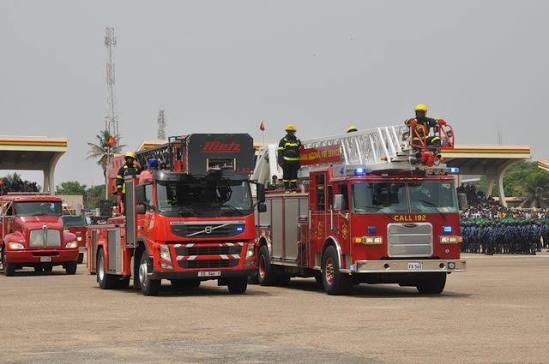
If your home caught fire tonight, would the firefighters responding have everything they need to save it?
