Head Office
No. 8 Klunye Adjele Street
East Legon, Accra – Ghana

No. 8 Klunye Adjele Street
East Legon, Accra – Ghana

The narrative surrounding women’s economic empowerment in Africa frequently centers on “the gap” the microcredit gap, the digital literacy gap, or the entrepreneurial skills gap. While addressing these disparities is vital, treating them as individual or localized deficiencies obscures a more challenging reality. The primary obstacle to sustainable economic inclusion for African women is not a lack of capacity or initiative; rather, a matrix of deep-seated, systemic, and structural barriers actively resists equity.
To move beyond superficial inclusion, regional frameworks, including Special Economic Zones (SEZs), national trade strategies, and enterprise programs, must shift their focus. Instead of merely “equipping” women, they must systematically dismantle the structural architecture that excludes them.
At the foundational level, formal laws dictate economic participation. While many African nations have made strides toward constitutional gender equality, statutory and customary legal frameworks frequently conflict, leaving women marginalized in practice.
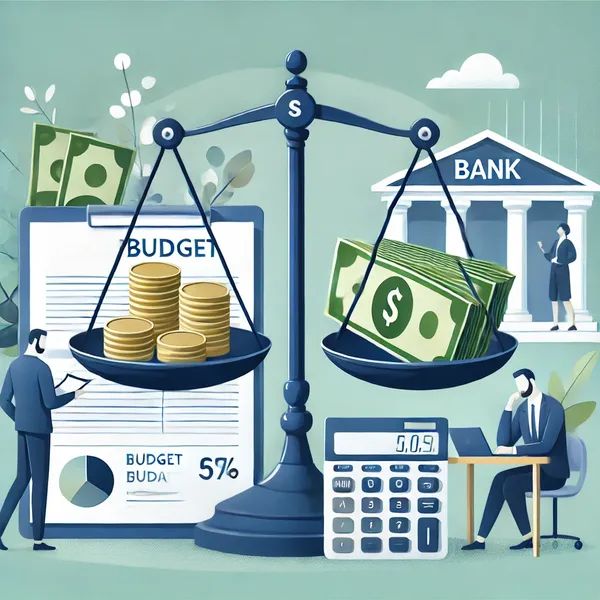
The prevailing financial architecture routinely mischaracterizes African women as “high-risk” borrowers, even though global data demonstrates their superior loan repayment rates.
Traditional banking systems remain tethered to physical asset collateral models, such as real estate or land titles. Because women rarely hold these titles, banks exclude them from commercial loan facilities. The financial sector continues to resist institutionalizing alternative credit scoring mechanisms such as transaction history, movable asset registries, and psychometric testing that reflect the economic realities of female entrepreneurs.
Financial inclusion initiatives have successfully expanded microfinance to women at the grassroots level. However, micro-loans support subsistence survival, not industrial scaling. When a woman-owned enterprise outgrows microfinance, it hits a financing vacuum. Traditional commercial banks rarely offer mid-tier venture debt or equity, creating a stark disconnect that prevents women from scaling into industrial value chains.

Special Economic Zones (SEZs) and industrial parks drive Africa’s structural transformation and regional integration. However, planners frequently overlook gendered economic patterns when designing these zones, which inadvertently reinforces exclusion.
Economic models routinely ignore the unpaid care economy, a structural burden that African women bear disproportionately. Deficits in basic public infrastructure, specifically clean water, stable domestic energy, and accessible healthcare, function as an invisible tax on women’s time.
When a woman must spend hours sourcing water or managing household energy deficits, she loses the time required to engage in formal employment, pursue advanced technical training, or scale an enterprise. True economic inclusion cannot occur in a vacuum; it requires deliberate structural investment in social infrastructure that redistributes the care burden.
To achieve sustainable economic inclusion that aligns with continental growth agendas, policymakers, industrial developers, and financial institutions must move beyond basic financial integration and focus on structural transformation.
Key Priority Areas:
- Harmonize Legal Frameworks: Ensure statutory land and property laws take absolute precedence over discriminatory customary practices to secure women’s asset ownership.
- Reengineer Financial Ecosystems: De-risk female-led enterprises by scaling cash-flow-based lending, expanding movable asset registries, and structuring dedicated growth-capital funds for mid-tier businesses.
- Design Gender-Inclusive Macro-Infrastructure: Deliberately integrate female-owned businesses into national trade strategies, regional supply chains, and Special Economic Zones through targeted procurement and structural support.
True economic inclusion requires more than just building a bridge over the existing gap; it demands a fundamental redesign of the underlying economic architecture. Only by addressing these structural barriers can Africa fully leverage the economic power of its female population to drive sustainable, continent-wide growth.
