Head Office
No. 8 Klunye Adjele Street
East Legon, Accra – Ghana

No. 8 Klunye Adjele Street
East Legon, Accra – Ghana
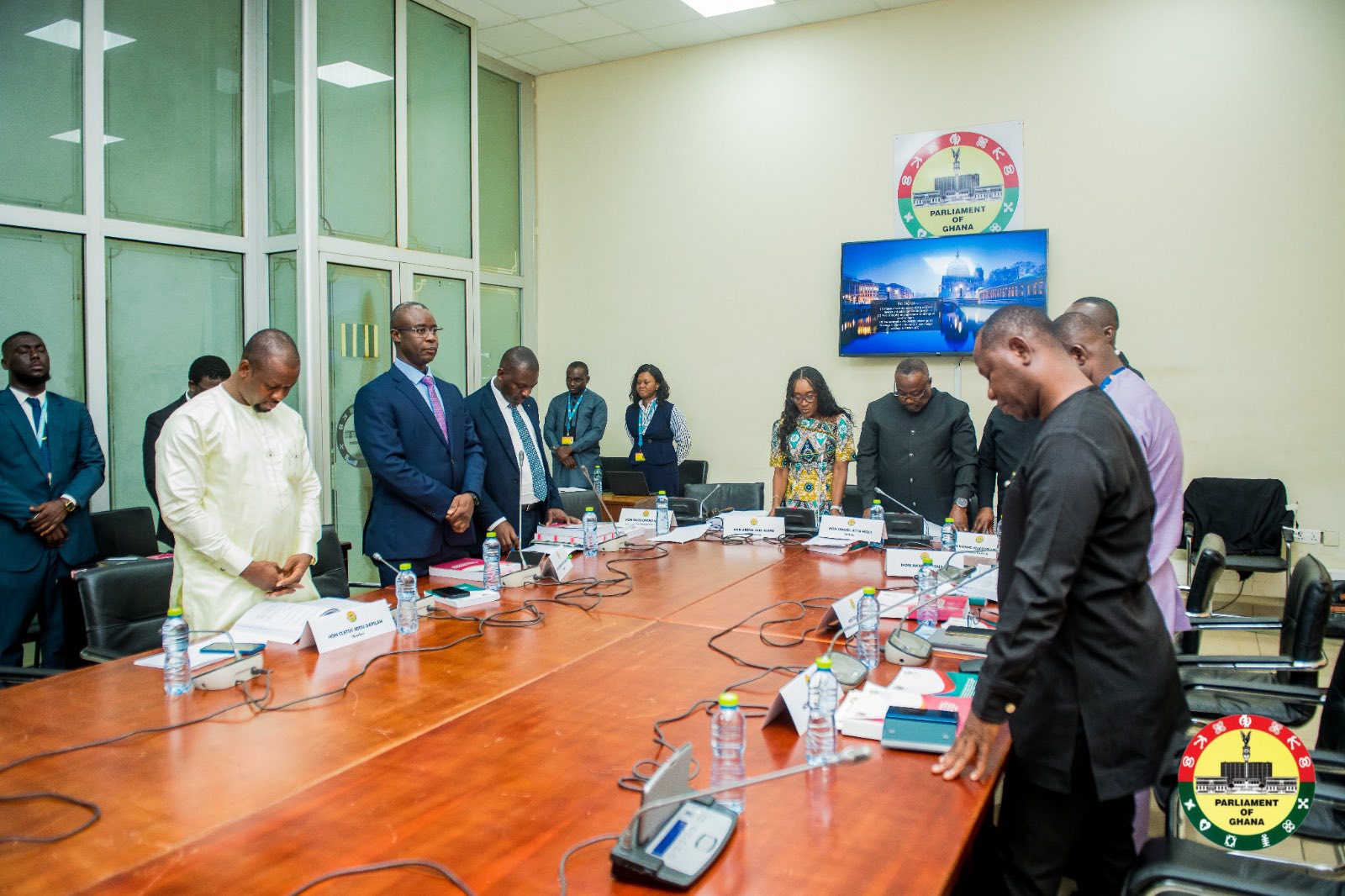
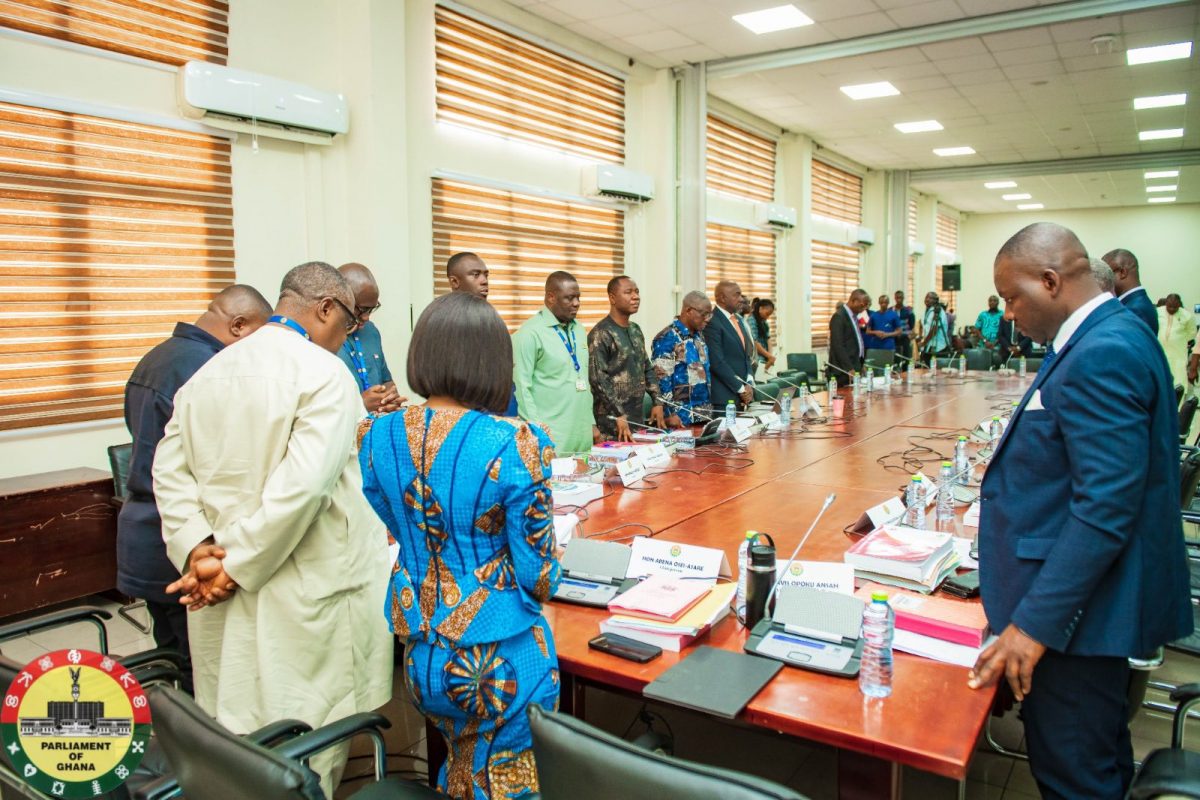
In Ghana’s institutional fight against corruption, the Public Accounts Committee (PAC) of Parliament stands as one of the most visible accountability mechanisms. Its public hearings, often broadcast nationwide, have exposed numerous cases of financial mismanagement, procurement breaches, and outright corruption involving public officials.
Yet, despite its visibility and investigative rigor, a fundamental question remains: What happens after exposure?
If the PAC can only uncover wrongdoing but lacks the authority to ensure prosecution, then its impact is severely limited. In effect, it risks becoming a “toothless bulldog”; loud, visible, but ultimately unable to bite.
The PAC’s core mandate is to examine the annual reports of the Auditor-General of Ghana and hold public officials accountable for financial irregularities.
Through this process, the Committee: Identifies misuse of public funds, questions responsible officials and drafts findings and offer recommendations.
However, the PAC does not possess prosecutorial authority. Its role ends with submitting reports and recommendations to the Attorney-General’s Department for possible prosecution.
This creates a critical gap between accountability and justice.
The reliance on the Attorney-General introduces a structural bottleneck, as the office itself is already burdened with numerous legal and corruption cases, additionally, prosecution decisions may be delayed or deprioritized and some cases quietly fade without resolution.
The result is a recurring pattern in Ghana’s governance system: Corruption is exposed, but consequences are rare.
This not only delays justice but, in many cases, effectively denies it; allowing individuals implicated in financial wrongdoing to walk free.
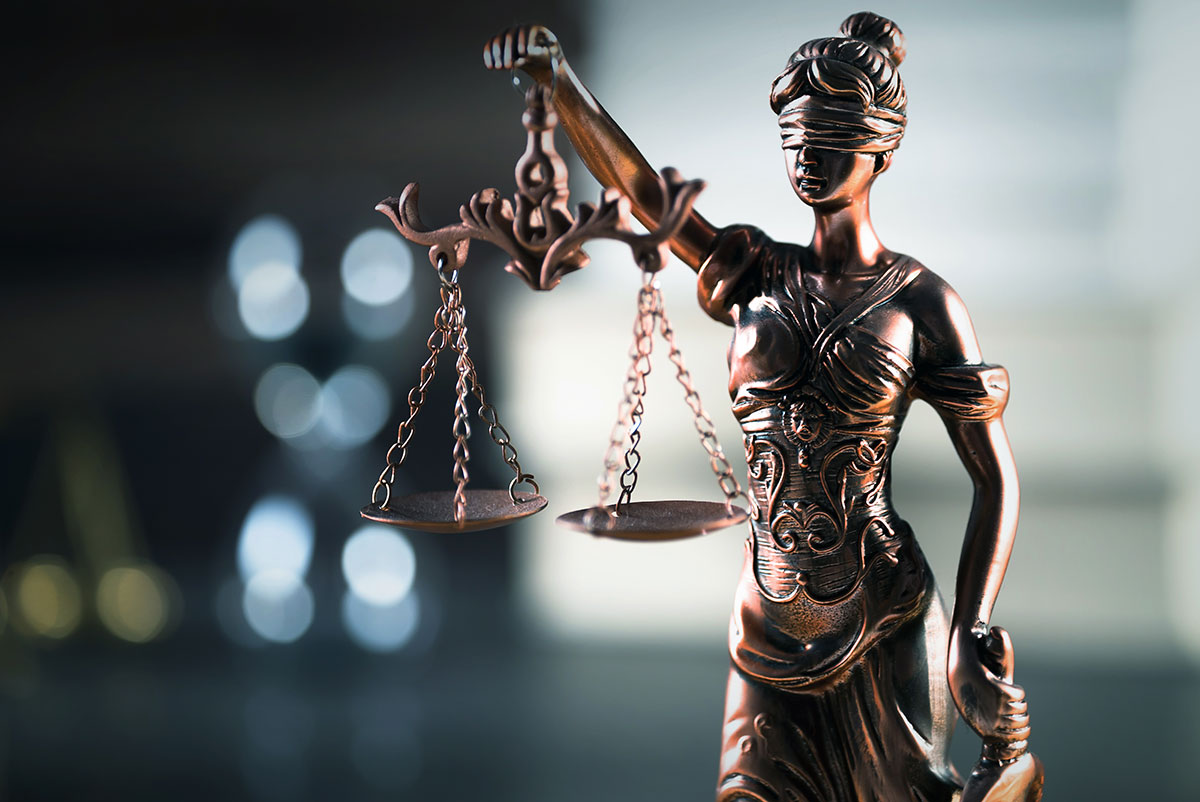
When institutions uncover wrongdoing without the power to act decisively, public confidence erodes.
Citizens watch hearings, hear damning revelations, and expect consequences. When none follow, it creates:
In such a system, accountability becomes performative rather than effective.
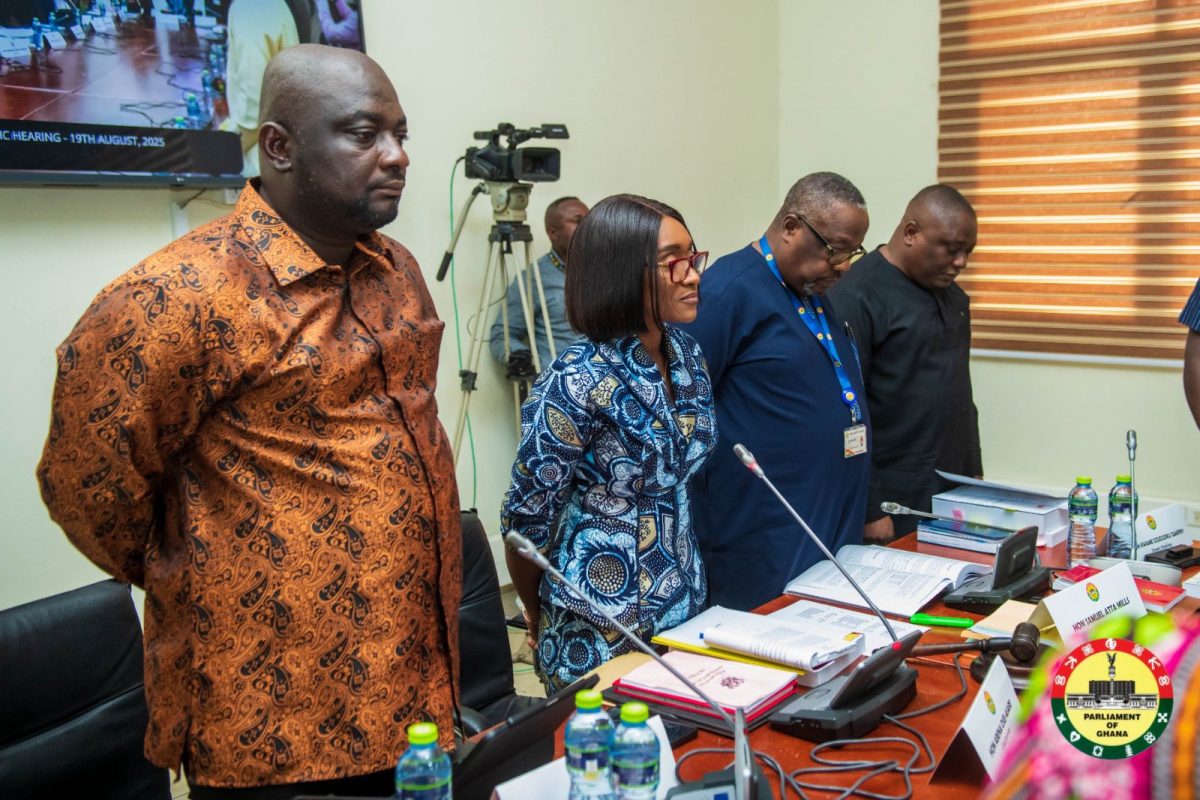
Ironically, the structure of the PAC presents a unique opportunity for credible oversight. By convention, the Committee is chaired by a member of the minority in Parliament. Currently, its being chaired by the Hon. Abena Osei Asare from the New Patriotic Party whereas prior to the 2024 Elections it was chaired by Hon. James Klutse Avedzi of the National Democratic Congress.
In theory, this arrangement should strengthen checks and balances, encourage rigorous scrutiny of government officials and promote bipartisan accountability.
However, the reality is, Ghana’s political culture complicates this ideal. There is often reluctance within political circles to pursue aggressive accountability against allies, while accusations against opponents may remain rhetorical rather than actionable.
This creates a paradox: A system designed for accountability, but constrained by political convenience.
If Ghana is serious about fighting corruption, then accountability mechanisms must go beyond exposure.
Empowering the Public Accounts Committee (PAC) directly through a specialized prosecutorial arm could:
It is worth noting that, without enforcement, oversight becomes incomplete.
Reforming the PAC does not necessarily mean turning Parliament into a court of law. However, what Ghana needs is a more direct and effective approach.
Firstly, the PAC should be granted clearly defined prosecutorial authority, with mandatory timelines for acting on cases arising from the reports of the Auditor-General. This would ensure that accountability moves beyond exposure to actual enforcement.
Secondly, the composition of the Committee must be restructured into a professional, hybrid model that combines parliamentary oversight with technical expertise. Membership should not be based solely on political representation but on competence, experience, and independence. The PAC should include:
This would ensure that the PAC is not only politically representative but also technically equipped and publicly credible.
Finally, to prevent political weaponization, strong safeguards must be established. These should include transparent procedures, clear evidentiary standards, and structured oversight mechanisms to ensure that prosecutorial powers are exercised in the interest of justice and not partisan advantage.
Ghana’s Public Accounts Committee plays a vital role in exposing corruption, but exposure alone is not enough. Empowering the PAC to act decisively would mark a critical shift from a system that talks about corruption to one that delivers justice against it.
A system that reveals wrongdoing without ensuring consequences risks normalizing the very problem it seeks to eliminate.
If the PAC is to serve as a true guardian of public accountability, it must evolve from being an institution that merely talks about corruption to one that ensures action against it.
Because in the fight against corruption, justice delayed is justice denied and justice denied is accountability defeated.
