Head Office
No. 8 Klunye Adjele Street
East Legon, Accra – Ghana

No. 8 Klunye Adjele Street
East Legon, Accra – Ghana

Ghana’s crime trends reveal more than numbers they expose a shift in economic pressure, institutional strength, and the psychology of crime.
What is most concerning today is not just the rise in armed robbery, but the growing confidence of perpetrators.
In the 1980s and early 1990s, crime in Ghana was largely survival-driven. Offenses were basic targeting food and livestock with minimal violence.
By the 1990s, crimes evolved into theft of household goods. Armed robbery emerged, but violence remained relatively restrained. Fear of law enforcement still acted as a deterrent.
In the early 2000s, the pattern shifted again. Home invasions increased, and more aggressive crimes surfaced. Crime was no longer just about survival; it began reflecting opportunism.
Over the past decade, armed robbery has become:
The most critical change is psychological: reduced fear of consequences.
Perceived protection through political, traditional, or social connections has created a false sense of immunity among some offenders. In extreme cases, even security institutions have been challenged signaling weakening authority.
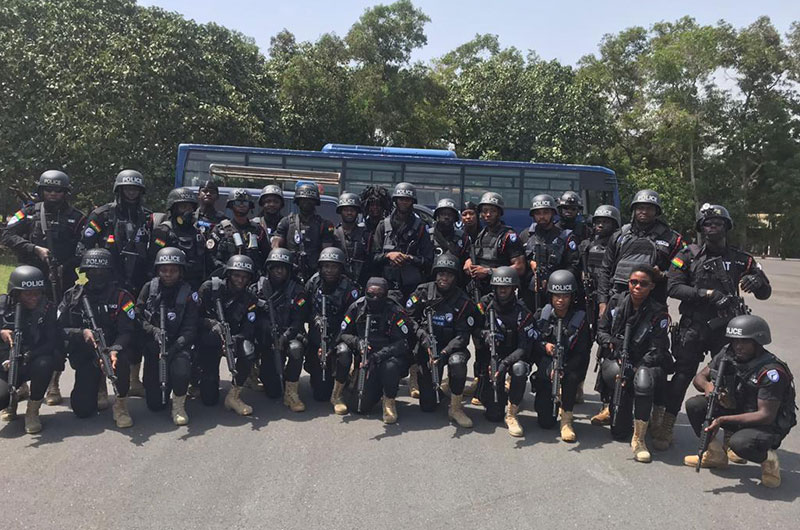
Internal challenges within law enforcement have compounded the problem:
When trust erodes, deterrence weakens.
When enforcement loses credibility, crime gains confidence.
The demographic has shifted.
Previously, offenders were often older and survival-driven. Today, many are younger—motivated by:
This reflects a deeper socio-economic and cultural shift in values.
Recent patterns across Ghana show increasing incidents of:
Urban centres like Accra and Kumasi remain key hotspots.
Criminal networks are becoming more coordinated, with improved access to firearms and intelligence.
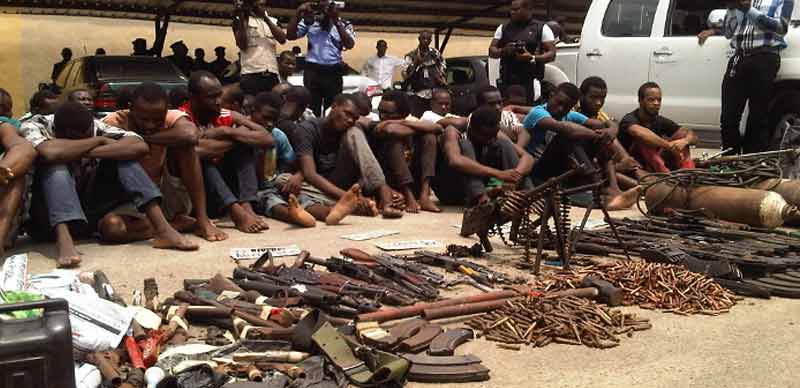
A decisive, multi-layered response is required:
1. Strengthen Firearm Control
Establish a centralized system for tracking and regulating weapons, with strict enforcement.
2. Reform Security Recruitment
Prioritize competence, discipline, and psychological readiness over political influence.
3. Public–Private Security Collaboration
Leverage regulated partnerships with private security firms to enhance surveillance and response capacity.
4. Rebuild Public Trust
Restore confidence through accountability, fairness, and consistent enforcement.
Ghana is at a critical point.
This is no longer just about crime rates, it is about who holds confidence: criminals or institutions.
If current trends persist, the implications will extend beyond security into economic stability and national cohesion.
The response must be strategic, firm, and sustained.
Because ultimately, public safety depends not only on controlling crime, but on restoring the authority of the state.
