Head Office
No. 8 Klunye Adjele Street
East Legon, Accra – Ghana

No. 8 Klunye Adjele Street
East Legon, Accra – Ghana
Ghana’s decentralization framework has consistently aimed at bringing governance closer to the people, however, one critical challenge hinders this ambition: the method of selecting Metropolitan, Municipal, and District Chief Executives (MMDCEs).
Currently appointed by the President, MMDCEs have significant control over local development and resource allocation. However, without a direct electoral mandate, their accountability and loyalty is often channeled toward the central government rather than to the citizens they serve.
Therefore, electing MMDCEs is not just a political reform; it is a democratic necessity for strengthening local governance and accelerating development across Ghana.
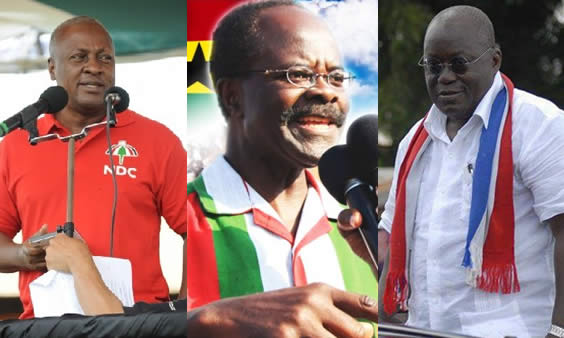
The idea of electing MMDCEs is not new. In fact, in the lead-up to the 2016 general elections, almost all major political parties including the New Patriotic Party (NPP) and the National Democratic Congress (NDC) proposed the election of MMDCEs in Ghana and were clearly stated in their manifestoes.
Consequently, the NPP won the 2016 elections and, upon assuming office in 2017, initiated a constitutional process to allow for the election of MMDCEs on a partisan basis. At the initial stages in Parliament, the proposal received broad bipartisan support, with both major political parties appearing to align on the need for reform.
However, the process soon took an unexpected turn, as strong opposition emerged from the National Democratic Congress, backed by several Civil Society Organizations (CSOs). Their primary concern centered on the potential politicization of local governance and its implications for Ghana’s decentralization framework.
Ultimately, the lack of consensus led to the abandonment of the reform, and was never returned to.
However, this argument does not reflect the reality on the ground.
Assembly elections in Ghana are, in practice, informally partisan. Candidates are often associated directly or indirectly with political parties, and this is subtly communicated through campaign materials, colors, and endorsements.
In essence, Ghana already operates a system of “in-camera partisanship” at the local level without the transparency and accountability that formal political competition would bring.
It is therefore difficult to ignore the apparent contradiction in the stance taken by the National Democratic Congress and some CSOs at the time. The current appointment system has, in many cases, produced MMDCEs whose commitment to development is questionable, largely because their positions depend more on political allegiance than performance. Instituting elections would introduce a necessary layer of accountability, ensuring that competence not political patronage becomes the primary basis for leadership at the local level.
At the core of the issue is accountability. Appointed MMDCEs largely operate at the discretion of the President. As a result:
Electing MMDCEs would shift accountability directly to the people. Leaders would be compelled to respond to the needs of their communities or risk being voted out.
Democracy is not only about national elections, it must also exist at the local level. Allowing citizens to elect their MMDCEs would:
This would make decentralization more meaningful and participatory, rather than symbolic.
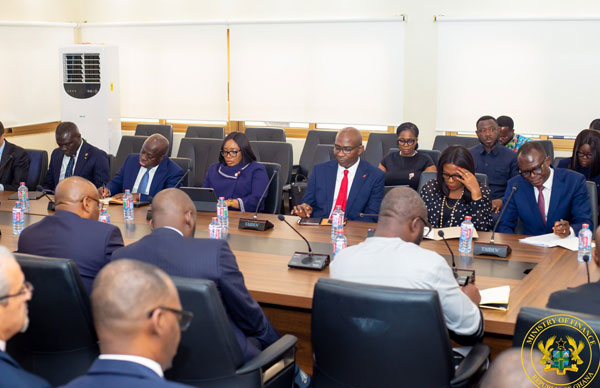
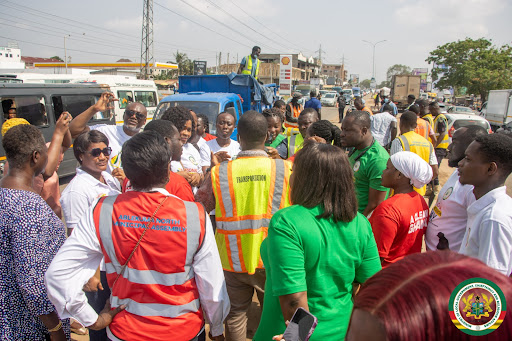
MMDCEs control significant resources and influence key development priorities, including infrastructure, sanitation, education, and local economic initiatives.
However, when leaders are not directly accountable to citizens:
An elected MMDCE would be incentivized to deliver visible and impactful development to secure re-election.
The current system places excessive pressure on central government. Citizens often direct local grievances to national leaders because local officials lack independent legitimacy.
Electing MMDCEs would:
Under the current system, citizens have no direct means of removing underperforming MMDCEs. The power lies solely with the President.
This creates a democratic deficit. In contrast, elections provide a clear and peaceful mechanism for:
The failure of past attempts shows that the issue is not whether to elect MMDCEs but How to do it.
Key considerations going forward should include:
What is critical, however, is that political actors including the New Patriotic Party and the National Democratic Congress move beyond partisan interests and build consensus around a reform that benefits the country as a whole.
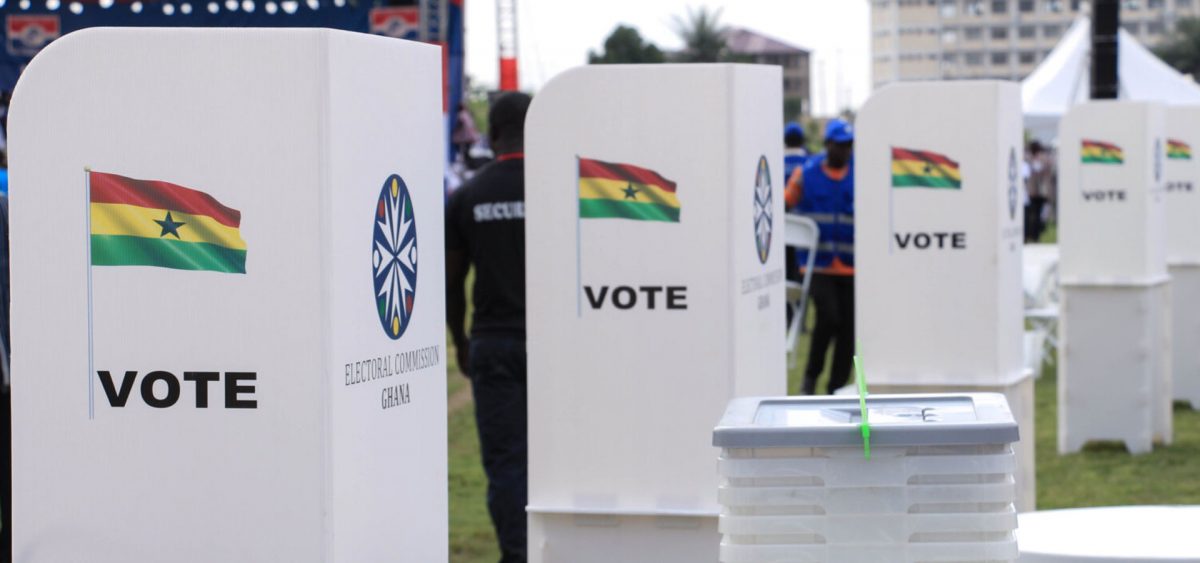
Electing MMDCEs is essential for deepening decentralization, strengthening accountability, and improving development outcomes in Ghana.
The current system limits citizen power, weakens local governance, and overburdens central government. While concerns about partisanship are valid, they should not be used to delay a reform that is both necessary and inevitable.
If Ghana is serious about building a responsive and inclusive governance system, then it must take the next bold step: give the people the power to choose their local leaders.
Because true development begins when governance is not only for the people, but also by the people, at every level.
