Head Office
No. 8 Klunye Adjele Street
East Legon, Accra – Ghana

No. 8 Klunye Adjele Street
East Legon, Accra – Ghana
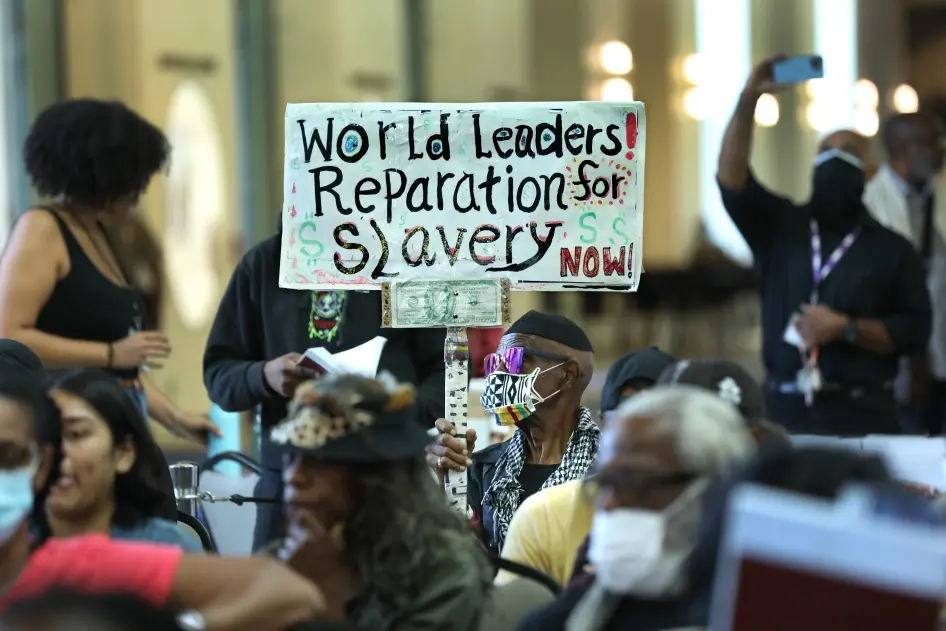
In March 2026, the global conversation on slavery and reparations reached a defining moment. The United Nations General Assembly adopted a historic resolution led by Ghana; declaring the transatlantic slave trade as the “gravest crime against humanity.”
The resolution which was backed by 123 countries, goes beyond symbolic recognition. It calls for reparations, formal apologies, the return of stolen artifacts, and structural reforms to address the enduring legacy of slavery.
This is not just a diplomatic victory, it is a turning point in Africa’s long struggle for justice, dignity, and economic freedom.
For centuries, Africa’s development trajectory has been shaped by the destructive impact of slavery and colonial exploitation.
Therefore, this resolution does three critical things to the continent:
By formally recognizing slavery as the gravest crime against humanity, the resolution strengthens Africa’s claim for reparatory justice not as charity, but as historical accountability.
Reparations are not limited to direct payments. They include:
These could play a transformative role in addressing Africa’s long-standing structural economic challenges.
The resolution has projected Africa as not being just a participant in global discourse, but an effective stakeholder in shaping global discourse and effecting development. This marks a shift toward a more assertive and united continental voice.
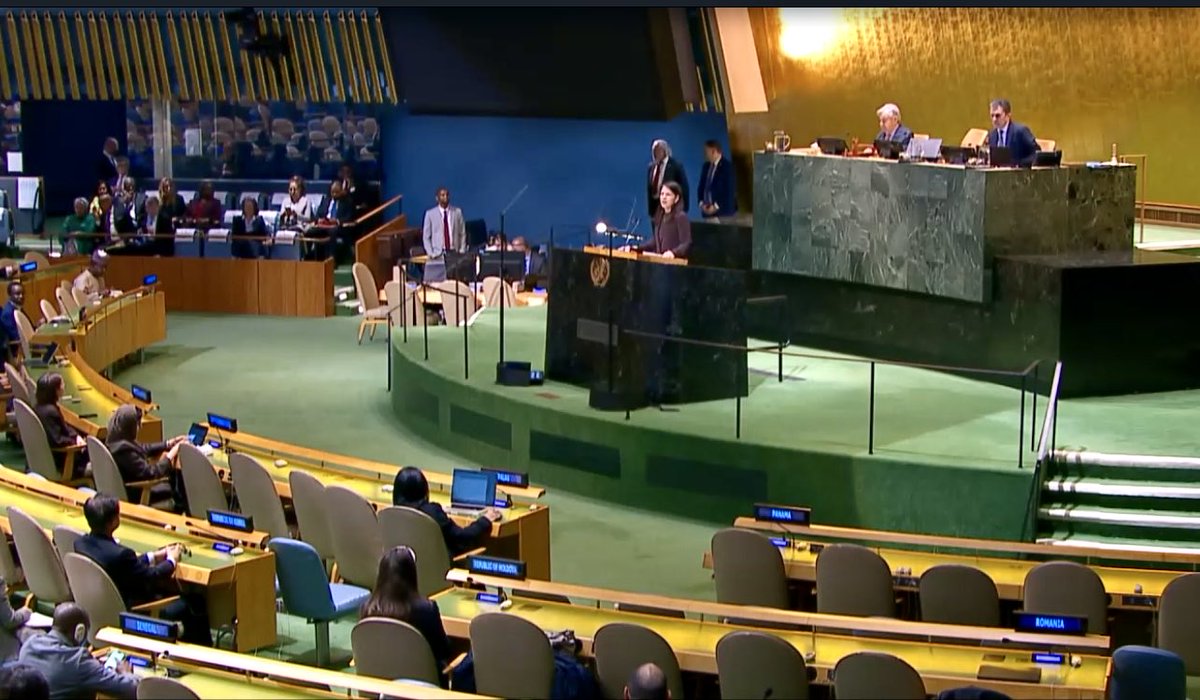
An interesting part of the process leading to the passage of the resolution was the voting pattern which reveals a deeply divided world. For instance:
Nations such as the United States and others that opposed the resolution have largely argued that:
However, their opposition also unfortunately signals a reluctance to fully confront historical accountability.
Contrarily, many Western nations also chose to abstain, citing:
Nonetheless, this abstention is not neutrality, it actually reflects, political caution and strategic avoidance of moral responsibility which in effect, delays rather than resolves the question of justice.
In a rather interesting turn of events with relation to this resolution comes the recurring criticism is that Africans themselves participated in the slave trade, making calls for reparations hypocritical.
However, this argument is not only misleading but it is historically incomplete.
I agree, there were local actors involved. nonetheless:
Therefore, to equate localized participation with systemic exploitation warrants a distortion of history.
It is worth noting that, reparations are not about individual blame they are about addressing institutional and structural injustice.
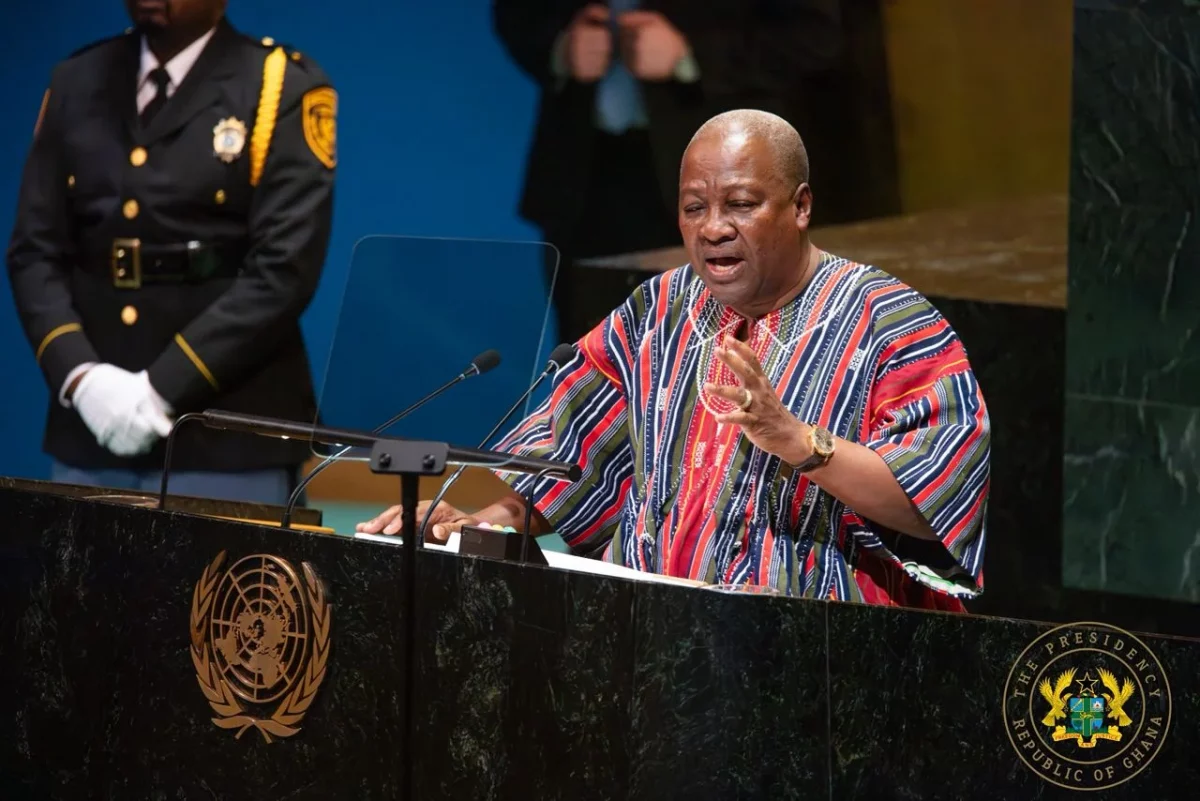
What needs to be celebrated the most amidst this reparation resolution conversation is Ghana’s role in this process, which has been both strategic and symbolic.
It was a defining moment of Pan-African solidarity to witness His Excellency John Dramani Mahama stand before world leaders to present the motion; an act rooted in both conviction and continuity. This moment was made even more significant by the strong foundation laid through the long-standing advocacy of former President His Excellency Nana Addo Dankwa Akufo-Addo.
While the leadership demonstrated by both statesmen may not come as a surprise, it was nonetheless deeply impressive, it was a powerful reminder to the world about Ghana’s enduring commitment to principles of justice, equality, accountability, fairness, freedom, and prosperity; which are deeply embedded in Ghana’s national identity, tracing back to the vision and legacy of Osagyefo Dr. Kwame Nkrumah.
Ghana has positioned itself as a global leader in the reparations movement.
From the “Year of Return” to sustained diplomatic engagement, Ghana has consistently:
This moment reflects years of deliberate leadership.
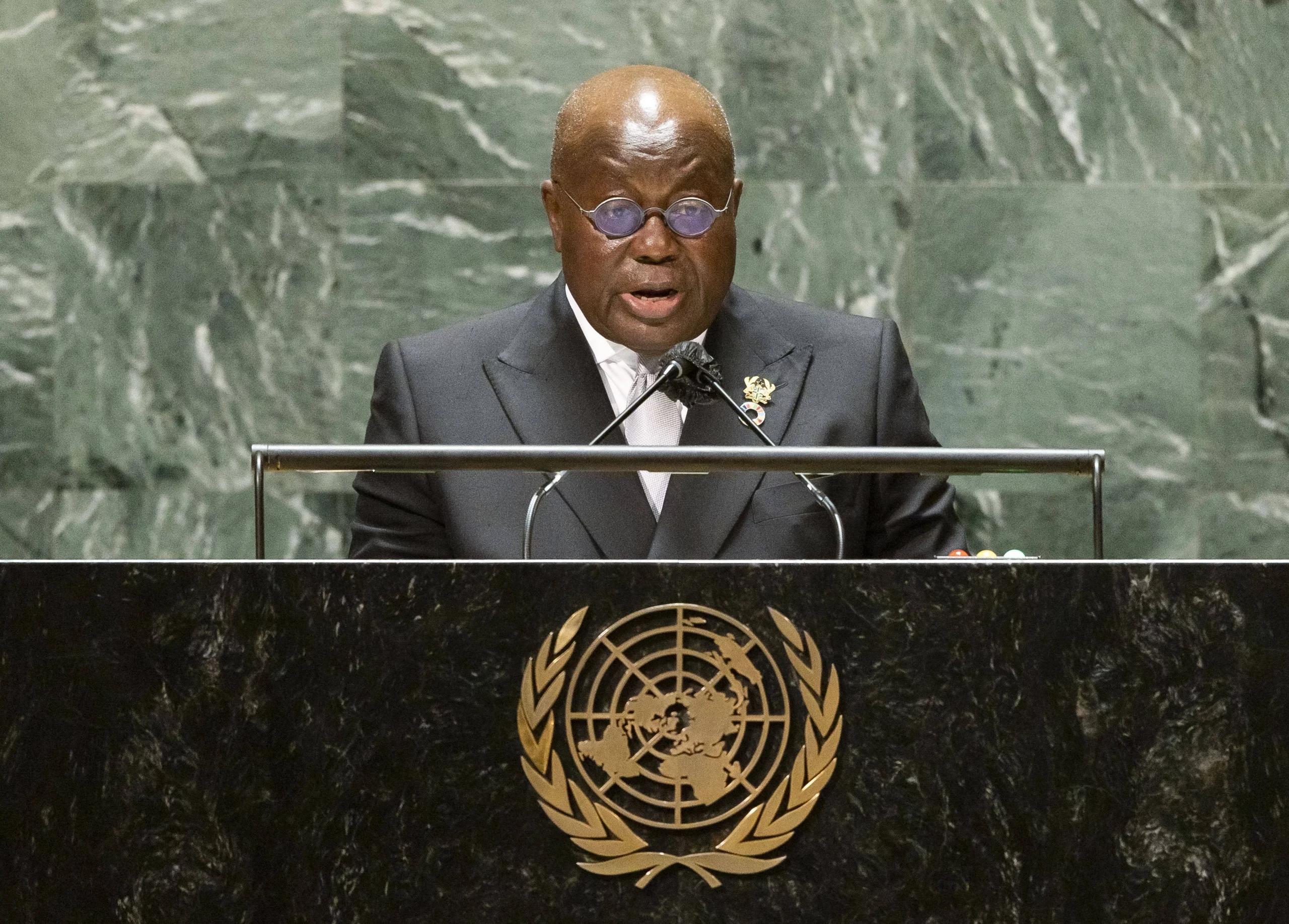
The 2026 UN resolution is more than a declaration; it is a global acknowledgment of truth long denied.
For Africa, it represents:
For the world, it presents a choice:
To confront history honestly, or continue to delay justice.
Ghana has taken a bold step. The question now is whether the rest of the world is ready to follow.
Because Justice, even when delayed, must not be denied.
