The Decolonized Plate: Why ‘Forgotten Grains’ Are 2026’s Most Exclusive Luxury
By Xolani Annakie
Forget the tired tales of truffle oil and imported caviar. In 2026, the real culinary flex isn’t about what’s flown in from halfway across the world; it’s about what’s been rediscovered, refined, and reimagined from the very soil beneath our feet. Welcome to the era of Culinary Archaeology, where the African palate isn’t just reclaiming its past, it’s plating its future.
For the discerning AIIP reader, the buzzword isn’t just “farm-to-table” anymore. It’s “history-to-haute-cuisine.”
From Grandma’s Pantry to Michelin Stars: The Ultimate Glow-Up
Remember those indigenous grains your elders talked about? The ones often overlooked for their colonial cousins? Well, they’ve just gotten a serious glow-up. Visionary chefs across the continent and diaspora are treating ancestral pantries like a gold mine, unearthing forgotten super-foods and transforming them into edible masterpieces.
“It’s about more than just taste,” explains Chef Kwami Adebayo of Accra’s avant-garde ‘Roots’ restaurant. “It’s about resilience, nutrition, and a profound sense of identity that you can literally consume.” (Source: Culinary Africa Magazine, Jan 2026).
The Power Grains: Fonio & Bambara Nuts – Your New Investment Portfolio
Move over, quinoa. There’s a new grain in town, and it’s been here for millennia.
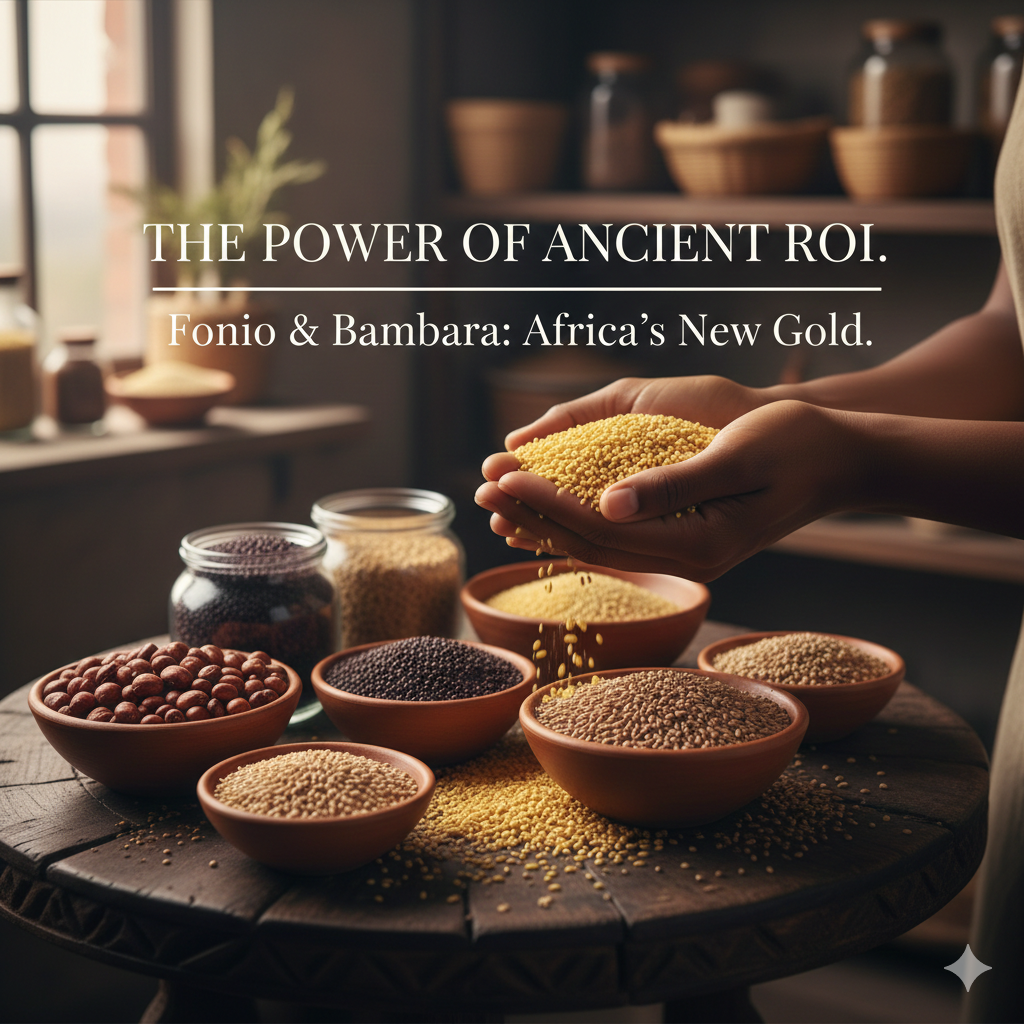
Fonio: The “Miracle Grain” Flex: Imagine a delicate, nutty couscous that’s gluten-free, boasts an impressive amino acid profile, and can thrive in arid conditions where other crops fail. That’s Fonio. Once a staple, then largely sidelined, it’s now making a grand comeback. High-end restaurants are presenting it as elegant pilafs, delicate tabboulehs, and even light-as-air pastries. “Fonio isn’t just food; it’s a statement of ecological wisdom,” says Dr. Amina Diallo, a food historian at the University of Dakar. (Source: The Pan-African Food Journal, Feb 2026).
Bambara Groundnuts: The Creamy Undisputed Champ: Forget the common peanut; the Bambara groundnut is its richer, earthier, and far more sophisticated cousin. Naturally creamy and incredibly versatile, chefs are using it to create everything from decadent, dairy-free purées and foams to savory ice creams. It’s the secret ingredient lending that profound, umami depth to dishes that truly sing.
Beyond the Plate: Why the AIIP Reader Cares
This isn’t just about what tastes good. It’s about what makes sense for our future, our pockets, and our legacy.
Sustainable Luxury (The Green Flex): These indigenous crops are often incredibly hardy, require less water, and improve soil health. Investing in restaurants and brands that champion them is a tangible way to support sustainable agriculture and show you care about the planet—without sacrificing an ounce of luxury. It’s a “Green Flex” that genuinely makes a difference.
Exclusivity & Authenticity (The Un-Googleable): In an age of mass production, true luxury lies in the unique, the handcrafted, and the rare. You can’t get a perfectly executed Fonio Tabbouleh or Bambara Nut Purée from a chain restaurant. It demands a chef with deep knowledge, genuine respect for tradition, and the skill to elevate it. This is the ultimate “Un-Googleable” experience—something you simply have to know to appreciate.
Cultural Reclamation (The Heritage Flex, Elevated): Every bite tells a story. Every ingredient is a thread in the rich tapestry of African history. By choosing these dishes, we’re not just dining; we’re participating in a powerful act of cultural reclamation, celebrating the ingenuity and abundance of our heritage. It’s the ultimate “Heritage Flex” – tasting history, made modern.
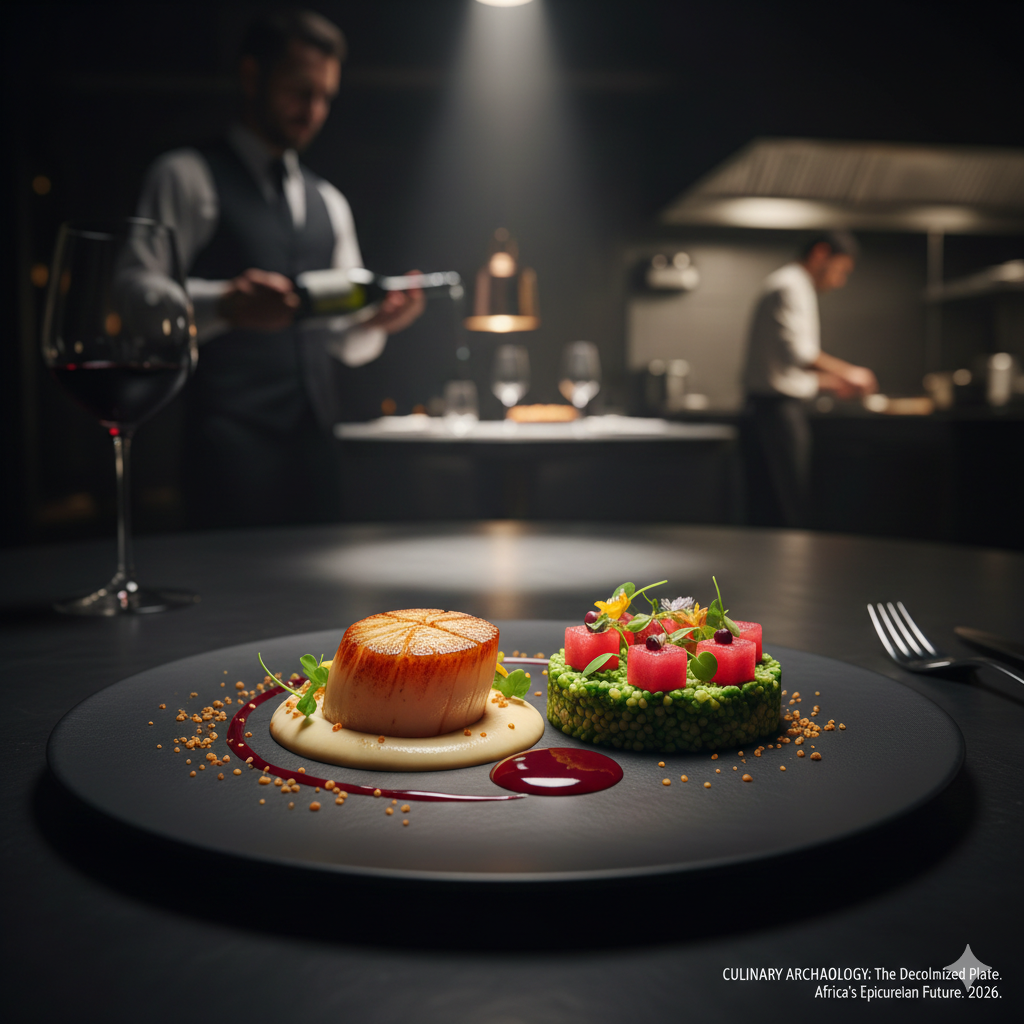
Chef Kwesi Adebayo’s “Origin” Signature Dish
Consider the masterpiece we’ve highlighted:
The Protein: A perfectly seared scallop, chosen to be a blank canvas for the heritage flavors.
The Foundation: A rich, silken Bambara Groundnut Purée, grounding the dish with an earthy, profound creaminess.
The Star: A vibrant, herb-infused Fonio Timbale, offering a delicate texture and refreshing lightness.
The Finish: Compressed watermelon infused with tart Hibiscus (Zobo), providing a playful burst of color and acidity, all drizzled with a rich Baobab & Red Wine Reduction.
This isn’t just food; it’s art. It’s science. It’s history. It’s the future of luxury dining.
The Bottom Line: For the 2026 AIIP reader, the era of importing our culinary identity is over. We are now confidently and deliciously exporting our excellence. So, next time you’re out, ask for the Fonio. Demand the Bambara. Taste the story.
What indigenous ingredient do you think deserves its moment in the haute cuisine spotlight? Share your thoughts below