Head Office
No. 8 Klunye Adjele Street
East Legon, Accra – Ghana

No. 8 Klunye Adjele Street
East Legon, Accra – Ghana

In a previous article titled: “Africa’s Economic Time Bomb: Living in the Shadow of the Dollar”, the central argument was precise: Africa’s excessive reliance on the US dollar exposes the continent to external economic shocks that threatens development planning, economic stability and social progress. Additionally, the argument pointed that, African economies as long as they remain financially subordinate to the dollar creates structural economic effects such as currency volatility, rising debt servicing costs, and imported inflation.
The question now is not whether Africa’s reliance on the dollar is problematic but rather whether there is a viable pathway beyond being dollar dependent. The African Continental Free Trade Area (AfCFTA) is a practical, workable and viable pathway as long as it is approached as not merely as a trade pact but as a cornerstone of Africa’s economic resilience and prosperity.
Africa’s economic resilience needs to expand beyond short-term crisis management like its being done by many African countries such as IMF bailouts, debt restructuring and debt sustainability. It should be about building systems and frameworks that enable economies to withstand global economic turbulence while encouraging innovation, growth and employment. For African countries, resilience means reducing exposure to foreign currency shocks, enhancing domestic production, and developing and expanding regional markets that can absorb local products and services.
The truth is, having a resilient economy which can withstand external shocks is one in which young entrepreneurs, private sector players, industry giants and SMEs can plan, invest and grow without having to worry about constant uncertainty of exchange rate instability.
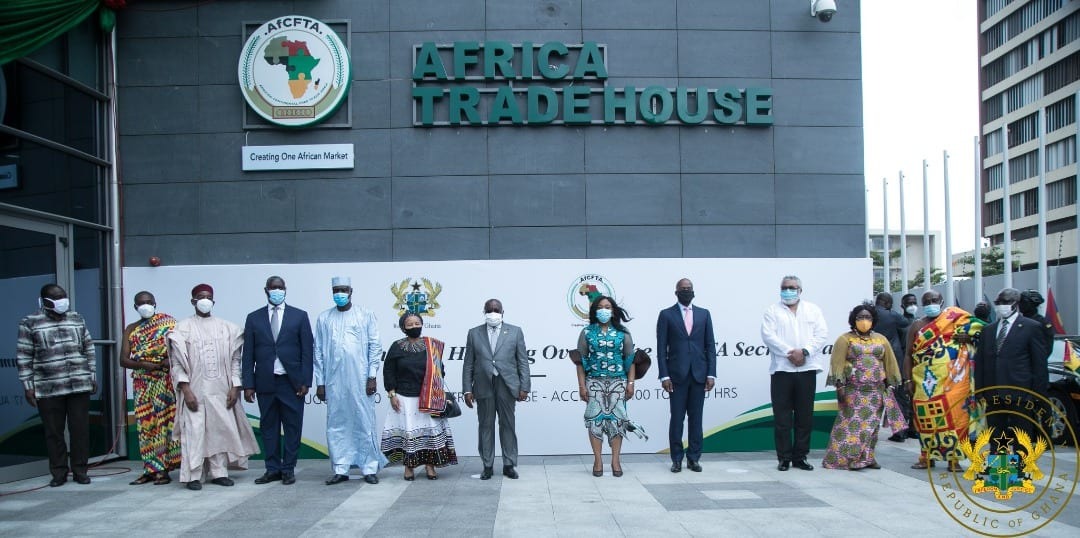
The vision behind the establishment of African Free Continental Trade Area as birthed by the African Union has been widely received by all Africans because it is believed to have great potentials in spearheading the economic transformation of the African continent.
Personally, I found AfCFTA to be pivotal to whatever transformation Africa has always dreamt of. This is why, while it is often seen as being at the forefront of discussions in relation to market access and tariff reduction, these components do not capture the agreement’s deeper strategic potential.
Fundamentally, AfCFTA establishes the framework for African economies to trade more with another and importantly to conduct so in ways that reduces dependency on foreign currencies.
Currently, African countries often conduct intra-continental trade using the US dollar as a settlement currency. This practically undermines the very rationale behind integration which is one of the thematic areas of AfCFTA. If businesses and governments in Africa buy and sell African goods using foreign currencies, the continent remain threaten and exposed to the same vulnerabilities that plague its international trade partnerships.
On the basis of this I opine that AfCFTA offers a platform to buck this pattern by promoting local sourcing, regional value chains and eventually increased use of African currencies in trade settlements.
The effect of Africa’s dependence on the dollar is especially visible in Africa’s innovation ecosystem. Startups and SMEs which are mainly led by the youthful population contend with high import costs, unpredictable exchange rates and restricted access to affordable capital. These challenges make it difficult to scale an idea even when demand exists.
Hence, AfCFTA can contribute to the development of a more predictable economic environment for innovation by expanding regional markets and reducing foreign exchange exposure. These expanded and well-integrated regional markets allow for African business to grow regionally before competing globally, while encouraging stable trading conditions to stimulate investment in locally developed solutions.
This is a development imperative not merely an economic adjustment required of AfCFTA.
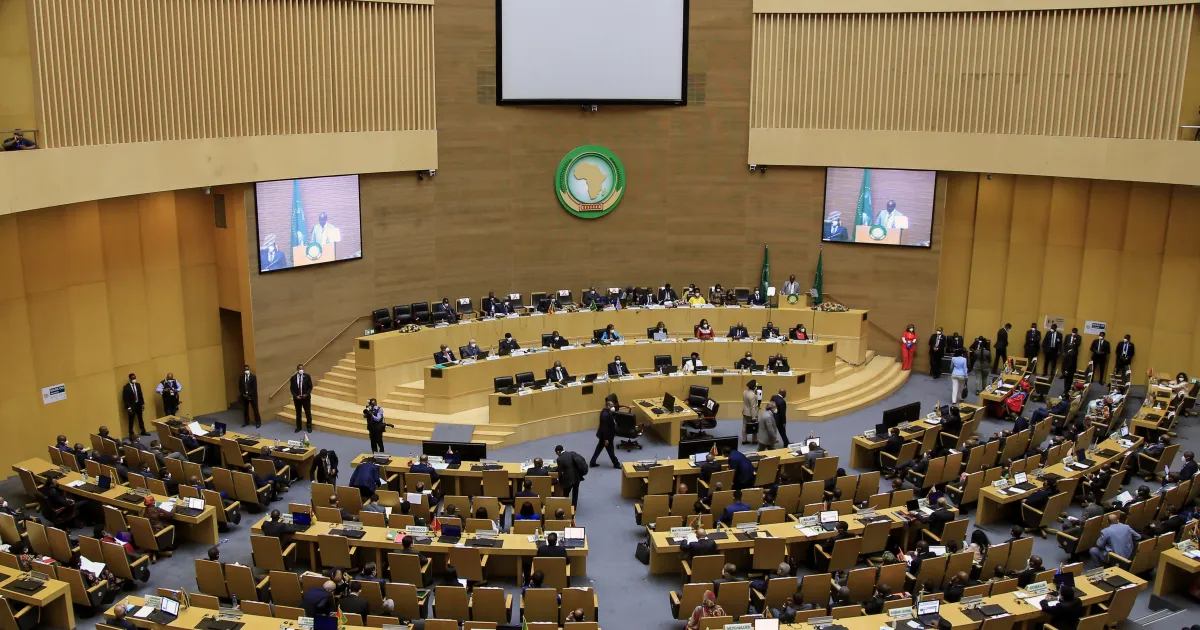
Despite AfCFTA’s promising state, it will not automatically deliver economic resilience, however, it will depend on deliberate policy strategies and implementation. Such policy strategies include trade liberalization which is the reduction or elimination of barriers to international trade, such as tariffs, quotas, and non-tariff barriers, to promote freer exchange of goods and services on the continent. Nonetheless, this trade liberalization must be coordinated by investments in regional payments, coordination between trade and monetary authorities, and targeted support for small and medium scale enterprises.
Importantly, without these supplementary measures, AfCFTA runs the risks of becoming a symbolic achievement rather than a revolutionary accomplishment. Integration on paper without significant structural reforms would warrant little in our quest to reduce Africa’s vulnerability to foreign currencies and its associated shocks.
However, if African fails to use AfCFTA as a tool for these structural reforms, the repercussions are obvious. Dependence on the dollar will continue to constrain our fiscal space, weaken currencies, and keep restricting the impact of innovation-led economic, growth and development strategies, leaving the youth to remain economically innovative but structurally constrained, in other words, full of ideas, yet confined by systemic limitations.
The danger is not that AfCFTA will fail outrightly but rather it will succeed in appearance but fail in content.
Africa’s path beyond dollar dependence is not in disengaging from the global economy, instead, it resides in building and strengthening ourselves domestically through policy coherence, regional integration and investment in our human resources.
AfCFTA represents the most ambitious and comprehensive attempt in decades to redesign Africa’s economic architecture. As long as it is aligned with monetary and innovation policies, it can assist in transitioning from vulnerability to resilience and from dependency to agency.
Defusing Africa’s economic time bomb requires more than just diagnosis, it demands action, coordination and a sustained commitment and dedication to economic-self-determination. The framework to making this a possibility lies within the reach of AfCFTA, the responsibility now lies on Africa’s leaders, policymakers, development actors and governments to ensure it delivers what Africa needs – Development & Prosperity.
