Head Office
No. 8 Klunye Adjele Street
East Legon, Accra – Ghana
No. 8 Klunye Adjele Street
East Legon, Accra – Ghana

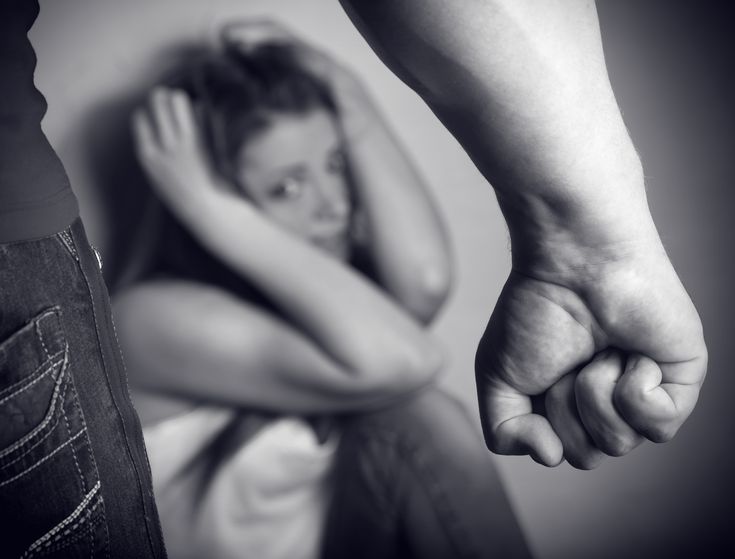
Domestic violence remains one of the most persistent yet underreported human rights violations in Ghana. Despite the country’s reputation for hospitality and strong communal values, the “sanctuary” of the home often hides a different reality for many men, children, and, increasingly, women. To address this crisis, it is essential to understand the cultural nuances, legal landscape, and systemic barriers that prevent victims from seeking justice.
In many Ghanaian traditional settings, the concept of marriage is viewed not just as a union between two individuals, but as a merger of two families. While this provides a strong support system, it also creates a culture of “privacy at all costs.” The popular Akan saying, “Efie asem mma abonten“ (home matters are not discussed in public), often serves as a gag order for victims.
Socialization plays a significant role. From a young age, many are taught that endurance is a virtue in marriage. Consequently, physical, emotional, and economic abuse are often reclassified as “marital friction” that should be settled behind closed doors by family elders, rather than through legal channels.
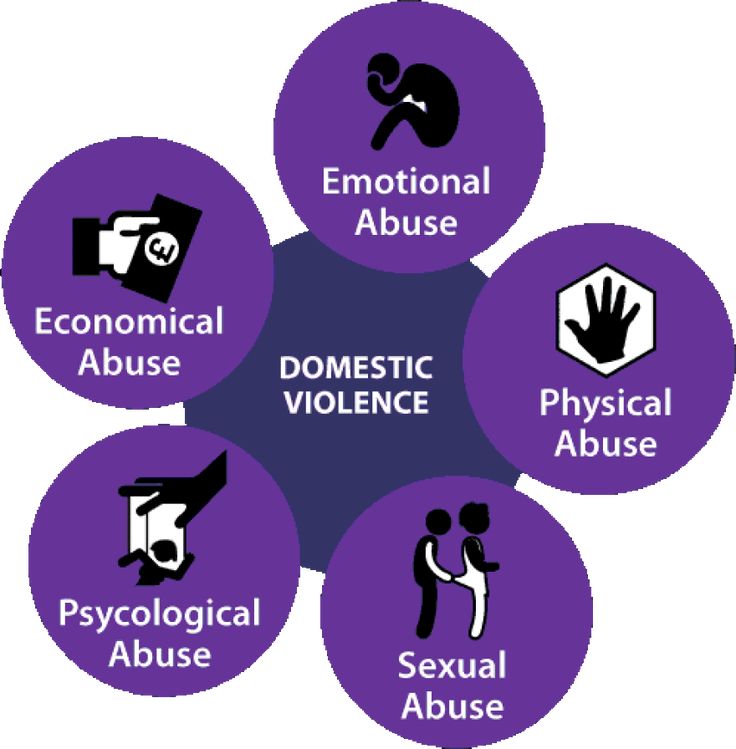
Domestic violence in Ghana is multifaceted:
Physical Abuse: Battery, slapping, and use of weapons.
Economic Abuse: Withholding “chop money” (household allowance) or preventing a spouse from working to maintain total control.
Emotional/Psychological Abuse: Constant verbal insults and isolation from family.
Sexual Abuse: Marital rape, which remains a contentious and often misunderstood topic in both social and legal circles.
The consequences of domestic violence extend far beyond the immediate physical pain of the victim. It creates a ripple effect that destabilizes the family unit and the nation at large.
Physical & Reproductive Health: Survivors often suffer from chronic pain, permanent physical disabilities, and reproductive health issues, including unwanted pregnancies or complications during childbirth.
Psychological Trauma: Prolonged abuse leads to severe mental health struggles, including depression, anxiety, and Post-Traumatic Stress Disorder (PTSD).
Social Isolation: To hide bruises or avoid judgment, many victims withdraw from their social circles, losing vital communal support.
Developmental Issues: Children who witness domestic violence often suffer from “toxic stress,” which can lead to bed-wetting, night terrors, and delayed cognitive development.
Academic Decline: The instability at home makes it difficult for children to concentrate, leading to poor school performance and high truancy rates.
Cycle of Violence: There is a high risk that children raised in violent homes will grow up to become either perpetrators or victims themselves.
Economic Productivity: Victims often miss workdays, and the resulting loss in productivity costs the nation millions of cedis annually.
Public Health Burden: The healthcare system bears the cost of treating injuries and managing long-term mental health conditions.
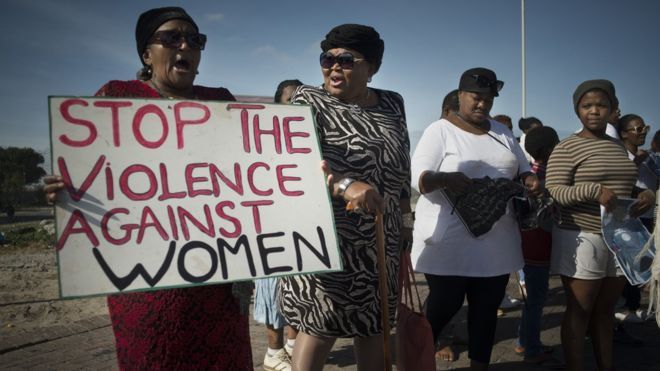
While government agencies like the Domestic Violence and Victims Support Unit DOVVSU provide the legal framework, non-governmental organisations and philanthropic institutes are the backbone of survivor support and prevention in Ghana.
Other Key Organizations that provide support for domestic violence victims are
The Ark Foundation: Known for providing emergency shelters and a 24-hour crisis center for survivors of gender-based violence.
WiLDAF Ghana: Focuses on legal literacy, ensuring women in rural areas understand their rights under Act 732.
The Gender Centre: Implements the COMBAT (Community-Based Action Teams) model, training local volunteers to intervene and report abuse in their own neighborhoods.
In 2007, Ghana passed the Domestic Violence Act (Act 732), criminalizing various forms of abuse and establishing the Domestic Violence and Victims Support Unit (DOVVSU). However, implementation remains a challenge. Many DOVVSU offices are under-resourced, and victims often still bear the cost of the medical reports required for prosecution.
Breaking the cycle requires a multi-sectoral approach:
Economic Empowerment: Reducing financial vulnerability through skill acquisition for women.
Education and Advocacy: Sensitizing traditional and religious leaders to the dangers of “settling” violent crimes.
Strengthening DOVVSU: Ensuring adequate funding for shelters and medical kits.
Redefining Masculinity: Programs for young men to dismantle the idea that dominance is authority.
Domestic violence is not a “private family matter”; it is a public health crisis that hinders the development of the nation. For Ghana to truly prosper, the safety of every citizen within their home must be guaranteed. The law exists; now, the culture must evolve to ensure that “home” is a place of peace, not a place of pain.
SOURCES
The Ark Foundation
DOVVSU
WiLDAF Ghana
The Gender Centre

Very insightful 😊
Thank You Ato,
I am glad we all are trying to change the narrative