Look, let’s be for real for a second, sis. We need to talk about what’s actually happening when we’re sitting there, scrolling at 2:00 AM, tweaking our photos until we barely recognize the woman in the mirror. In 2026, our digital “self” has basically become a second job, and it’s high time we clock out of the “Like Economy.”
This isn’t just about vanity; it’s about how these apps are literally rewiring our brains and our worth.
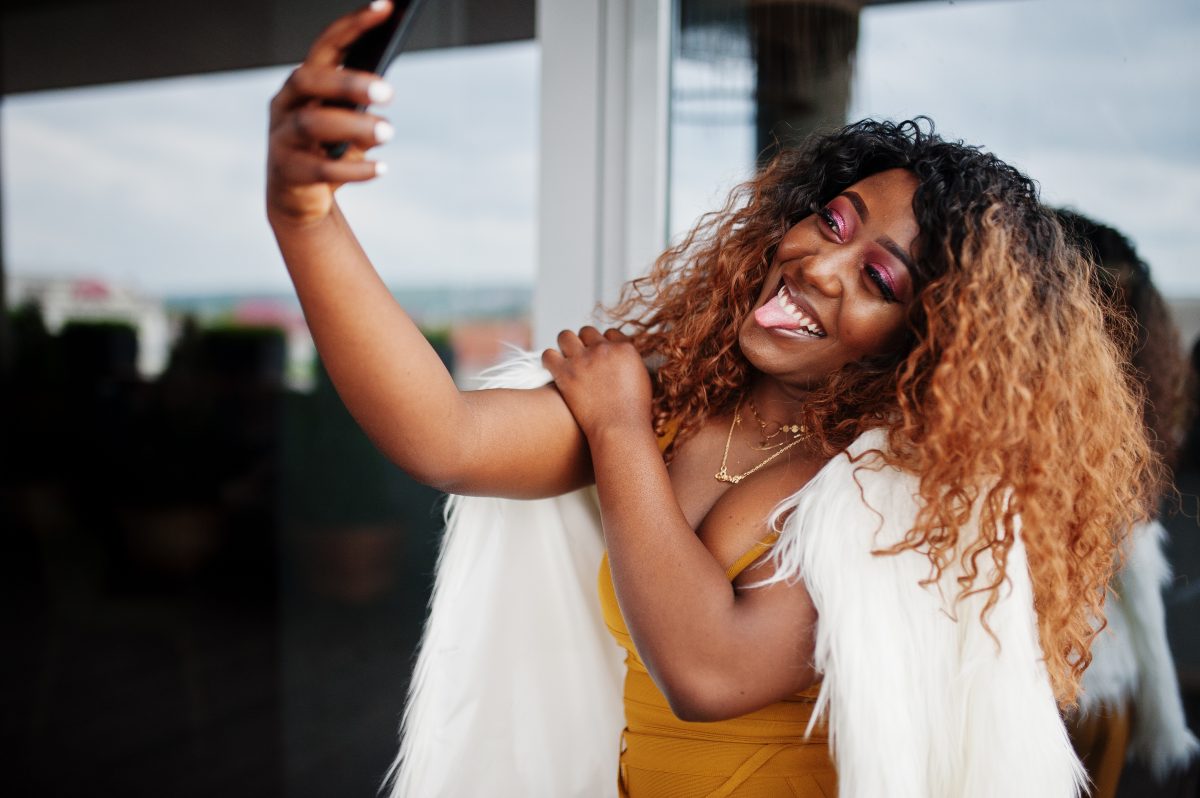
Glamour african american woman in yellow dress and white woolen cape making selfie on phone.
SOURCE WWW.FREEPIK.COM
1. That “Double Tap” is a Setup
Every time you see that heart notification, your brain is doing backflips.
The Dopamine Hit: That little rush you get when a post takes off? That’s your brain’s reward center lighting up like a slot machine. It feels good for a second, but it’s a trap.
The Crash: When the likes don’t hit the way you expected, you start feeling rejected, anxious, and “less than.” We’ve gotta stop letting a computer code decide if we’re “it” or not.
The Loop: The more we chase that high, the more we feel like we have to be “perfect” just to feel normal. It’s exhausting, and it’s a cycle that’s designed to keep you addicted, not confident.
2. The Mirror vs. The Filter
We’ve moved past the cute puppy ears. Now, we’re dealing with AI “beautifiers” that are basically digital surgery.
The Filter Gap: We aren’t just comparing ourselves to celebrities anymore; we’re comparing ourselves to the filtered version of us. When you look at your real, beautiful, unfiltered face after staring at a screen all day, you start seeing “flaws” that aren’t even there.
The Intelligence Bias: We use these filters because we know, deep down, that society treats “perfect” people better. We’re trying to “hack” the system to get that promotion or that respect, but all it does is make us feel like our true selves aren’t enough.
Digital Dysmorphia: It’s getting serious, sis. People are actually going to doctors asking to look like a filtered selfie—narrower noses, poreless skin. That’s not a goal; that’s an impossibility.
3. Living for the Audience
We’ve stopped living our lives and started performing them.
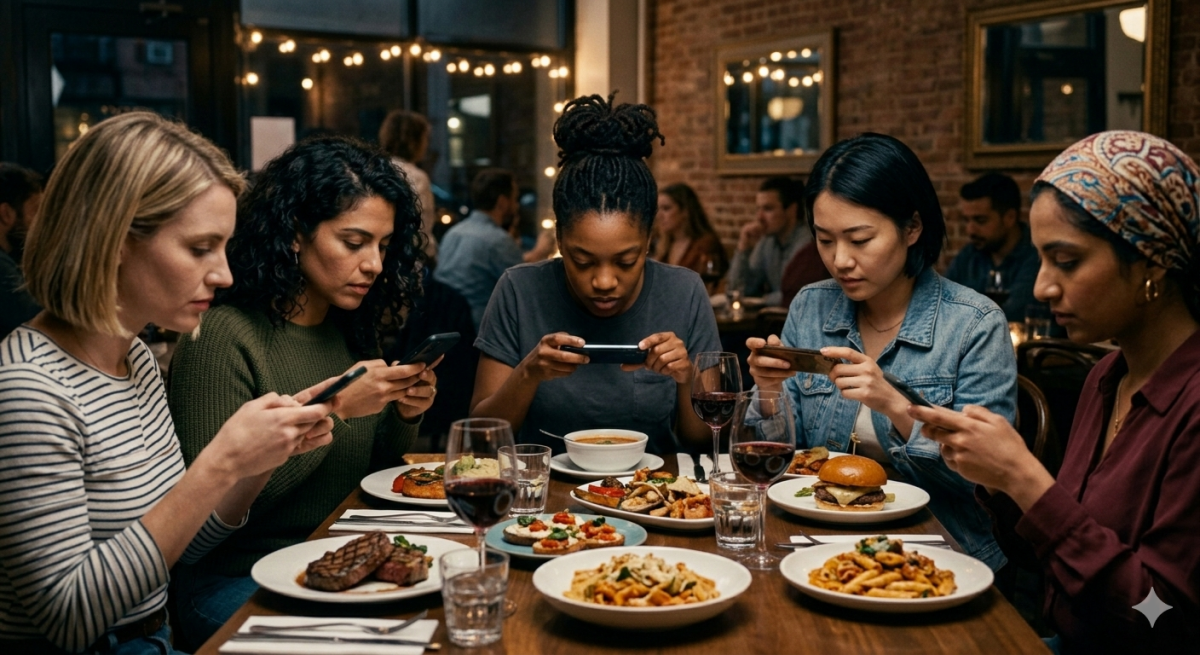
The Surveillance Trap: You can’t even enjoy your brunch without thinking about the lighting. That constant “self-monitoring” steals your joy. You’re viewing yourself as a product to be sold rather than a human to be loved.
The Authentic Paradox: Everyone is out here trying to “look” authentic for engagement. But real authenticity isn’t a post—it’s how you feel when the phone is face-down on the table.
How to Get Your Power Back
Sis, empowerment isn’t about deleting the apps (though a break is nice); it’s about reclaiming your mind.
Mute the Noise: If an account makes you feel insecure, unfollow it. Period. No guilt. If their “perfection” makes you feel like you need a new face, they don’t deserve a spot in your feed.
The “Real Life” Test: Post something raw. No filter, no perfect angle, just you. It’s like a muscle—the more you show your real self, the less power the filters have over you.
Check Your “Why”: Before you hit share, ask yourself: “Am I doing this because I love this moment, or because I need people to tell me I’m pretty?” If it’s for the validation, put the phone down.
Here is your step-by-step guide to taking your power back from the algorithm.
📱 The Sister’s Guide to a Digital Detox
Phase 1: The Feed Audit (The “Vibe Check”)
Go through your “Following” list. Don’t think, just feel. As you scroll through the names, ask yourself:
Does this account make me feel inspired or “less than”?
Am I following her because I like her, or because I’m comparing my life to hers?
If I saw this person in real life, would we actually have anything to talk about?
The Rule: If their posts make you immediately check your pores in the mirror or feel like your bank account is “behind,” hit Unfollow. If you can’t unfollow (like family), hit Mute. Your peace is non-negotiable.
Phase 2: Setting the Boundaries
The algorithm is designed to keep you scrolling forever. You have to build the fence.
The “First Hour” Rule: No social media for the first hour of your day. Protect your morning peace before the world tells you who to be.
Phone “Bedtime”: Put your phone in another room or on a charger across the room 30 minutes before bed. Don’t let your last thought of the day be a filtered stranger’s life.
Turn Off Non-Human Notifications: You don’t need a buzz every time someone you don’t know posts a Story. Turn off everything except direct messages from real people.
Phase 3: Rewiring the “Like” Reflex
We have to break the habit of looking for external validation.
The “Private Joy” Challenge: For the next 48 hours, if you see something beautiful (a sunset, your outfit, a good meal), don’t post it. Keep it just for you. Remind yourself that a moment is still valid even if nobody “likes” it.
Go “Ghost” on Filters: Try a “No-Filter Friday.” Post a video or photo of your real skin texture. It’s going to feel scary at first, but that’s just the “Digital Dysmorphia” leaving your system.
Comment with Intention: Instead of just scrolling and lurking, leave three meaningful comments on accounts that actually ground you. Shift from passive consuming to active, real connection.
Sources
The British Psychological Society (2025): Found that comparing your real face to your own filtered photos is the biggest trigger for body dysmorphia today.
Frontiers in Public Health (2025): Shows how the “Attractiveness Halo” pushes us to filter our lives just to feel “seen” in professional spaces.
Dove Self-Esteem Project (2025): Proved that 7 out of 10 of us feel 100% better after a “digital audit” of our following list.
ResearchGate (2026): Explains how “TikTok Face” is erasing our unique, ethnic beauty in favor of a one-size-fits-all AI standard.