Head Office
No. 8 Klunye Adjele Street
East Legon, Accra – Ghana

No. 8 Klunye Adjele Street
East Legon, Accra – Ghana

When Michael B. Jordan stepped onto the stage at the 98th Academy Awards to accept the Best Actor Oscar for his performance in Sinners, the moment felt larger than a single award. It represented persistence, recognition, and the ongoing conversation about representation and respect within the film industry.
Jordan’s journey to that stage was built over 25 years in the industry. Beginning his acting career at just 15 years old, he developed into one of the most respected actors of his generation. Now at 39, his Oscar win felt like the culmination of decades of dedication and growth.
Yet the significance of the night extended beyond one actor’s success.
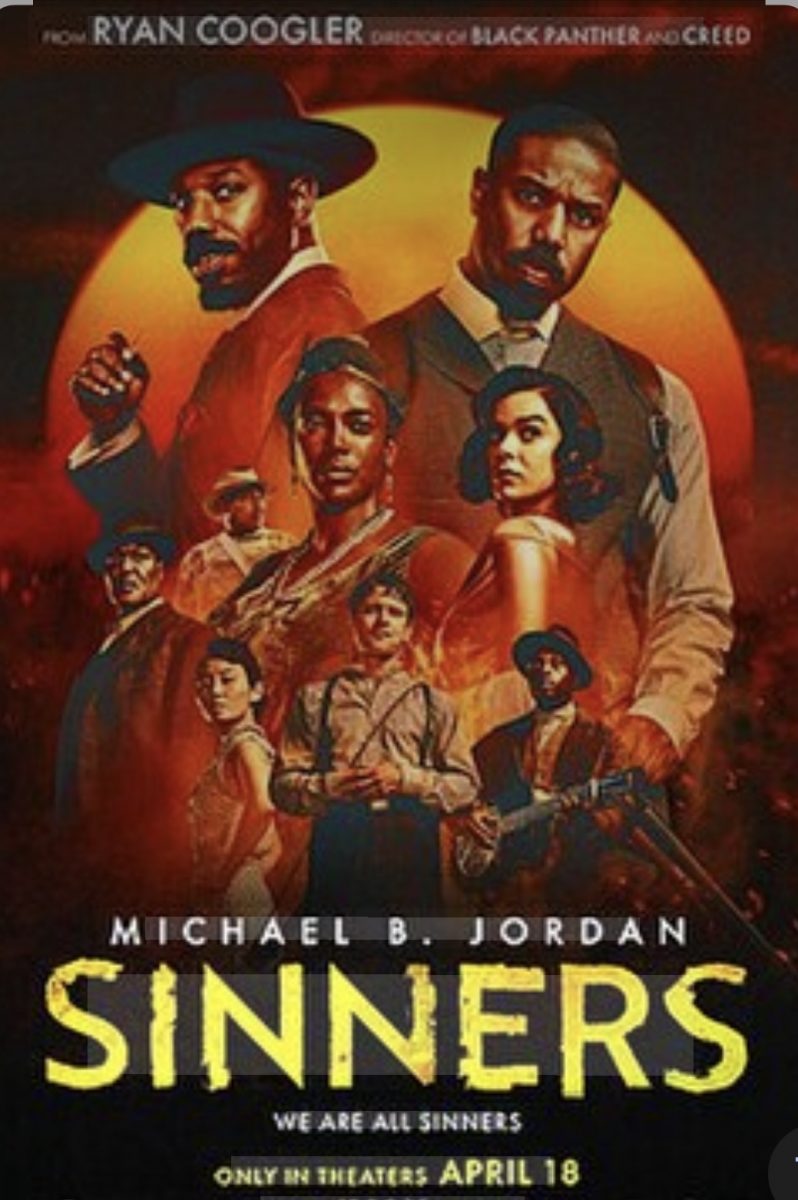
Image credits: IMDb
Sinners emerged as one of the defining films of the evening, winning four Academy Awards. Its success reflected not only the strength of its storytelling but also the importance of diverse voices shaping modern cinema.
Director and writer Ryan Coogler won Best Original Screenplay, becoming only the second Black writer in Academy history to receive the award in that category. His victory was another sign that Black storytellers are increasingly being recognised for shaping the narratives that influence global audiences.
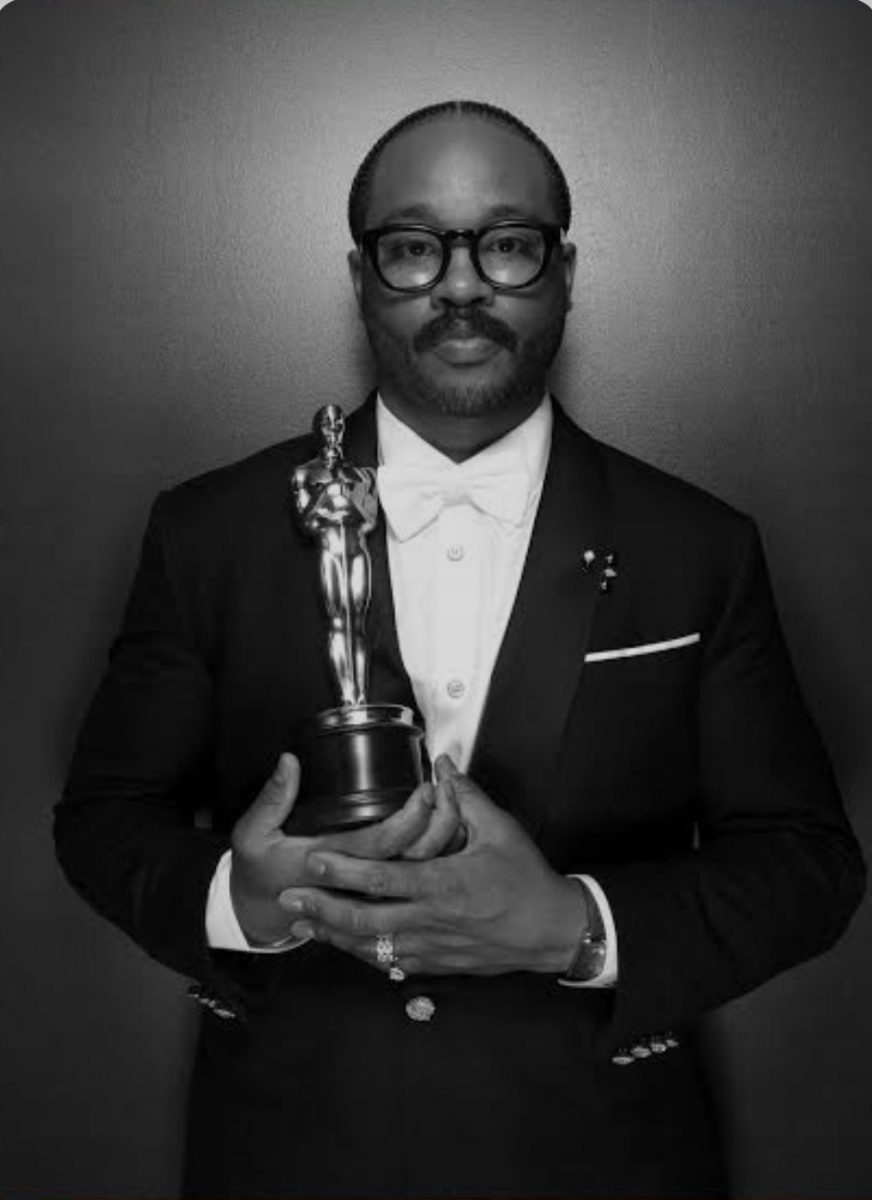
Image credits: Insagram
The film also made history behind the camera, with a woman winning the Academy Award for Best Cinematography for the first time, an achievement that highlighted the growing recognition of talent that has historically been overlooked in filmmaking.
Together, these milestones made Sinners a powerful example of what happens when opportunity meets vision.
Image credits: Various News Media
During his acceptance speech, Jordan used the moment to acknowledge the artists who helped open doors for the generation that followed.
He mentioned legendary performers such as Denzel Washington, Will Smith, and Forest Whitaker — actors whose careers demonstrated the strength and depth of Black leading men in Hollywood.
Jordan also honoured trailblazers including Sidney Poitier, whose influence transformed opportunities for Black actors, alongside Jamie Foxx, Mahershala Ali, and Daniel Kaluuya.
Importantly, he recognised Halle Berry, whose historic Best Actress win remains one of the most significant moments in the Academy’s history.
These acknowledgements reflected a simple truth: no success exists in isolation. Every generation builds on the courage and achievements of those who came before.
Jordan’s Oscar win also came after a troubling moment earlier in the awards season that sparked difficult conversations within the industry.
At the ceremony hosted by the British Academy of Film and Television Arts, Jordan and fellow actor Delroy Lindo were on stage presenting an award when a campaigner living with Tourette syndrome shouted a racist slur during the moment they were giving the award.
The incident created immediate shock in the room and sparked widespread discussion afterwards.
For many people within the Black community, the situation raised complex questions. On one hand, there was recognition that the individual involved lives with a neurological condition. On the other hand, there was also the real impact of hearing racist language directed into a public space while two respected Black actors were on stage presenting.
The situation became even more controversial when the BBC broadcast did not remove the slur from its coverage, leaving many viewers feeling that the moment should have been handled with greater care and sensitivity.
For many observers, the incident highlighted how conversations about race, responsibility, and respect in public spaces remain complicated but necessary.
Events like these remind us that representation in film is not only about awards and recognition. It is also about visibility, dignity, and whose voices are respected within cultural institutions.
For decades, Black actors, writers, and filmmakers have contributed enormously to cinema while often facing barriers to recognition. Progress has been made, but moments of tension show that the conversation about equality in the industry is far from finished.
Jordan’s win, alongside Coogler’s recognition and the historic cinematography achievement, shows what the industry looks like when more voices are allowed to contribute and succeed.
Representation ultimately strengthens storytelling. When filmmakers from different backgrounds bring their experiences to the screen, audiences receive richer, more authentic stories that reflect the diversity of the real world.
As a Black voice reflecting on this moment, telling the story accurately matters. Moments like these are part of cultural history, and they deserve to be remembered truthfully.
Michael B. Jordan’s journey—from a teenager beginning his career to standing on the Oscar stage—demonstrates what perseverance, talent, and belief in one’s craft can achieve.
For the Black community, his victory serves as both recognition and encouragement.
It is a reminder that creativity, brilliance, and resilience continue to shape the arts, even when recognition takes time.
The message moving forward is simple but powerful:
Continue telling your stories.
Continue developing your talents.
Continue supporting one another.
Because when determination meets opportunity, history can change — and the future of film becomes stronger, more honest, and more inclusive for everyone.
