Head Office
No. 8 Klunye Adjele Street
East Legon, Accra – Ghana

No. 8 Klunye Adjele Street
East Legon, Accra – Ghana
In my previous article: Draconian Bail Conditions in Ghana: Time for Reforms, I argued that bail should never become punishment before trial.
However, excessive bail conditions are not the root of the problem.
They are merely one symptom of a much deeper institutional challenge.
The real conversation Ghana must now have is about the effectiveness, fairness and accountability of our entire criminal justice system.
Every democracy encounters the difficult responsibility of fighting crime, corruption and threats to national security. Ghana is no exception. Our law enforcement agencies must have sufficient powers to investigate offences and bring offenders to justice.
But there is an equally important constitutional principle that must never be forgotten:
The State itself must always operate within the law !!
The legitimacy of any criminal justice system is measured not only by how effectively it convicts the guilty, but also by how faithfully it protects the rights of the innocent and those who stand accused.
There is a dangerous misconception in public discourse that advocating stronger constitutional protections somehow weakens the fight against corruption and organized crime.
Nothing could be further from the truth.
The world’s strongest democracies demonstrate that robust law enforcement and robust human rights protections can coexist: Indeed, one strengthens the other.
When citizens trust that investigative agencies act fairly, professionally and without political influence, public cooperation with law enforcement increases.
Justice is therefore not only about securing convictions: It is about securing public confidence.
One of the most troubling developments in recent years is the increasing tendency for investigations themselves to become punitive.
A suspect may be arrested in dramatic fashion.
The arrest attracts widespread media attention.
Statements are issued.
Images circulate across television and social media.
Public opinion quickly forms, whiles supporters of the accused mass-up at various offices of law enforcement agencies.
Yet months, or even years later, investigations may still be ongoing, with no formal charges filed or no trial may have begun or concluded.
For the individual concerned, the damage has already been done, businesses collapse, professional reputations are destroyed, at the end, families suffer.
Even where the courts ultimately determine that no offence has been committed, the consequences often cannot be reversed.
The criminal justice system should never create punishment before guilt has been established.
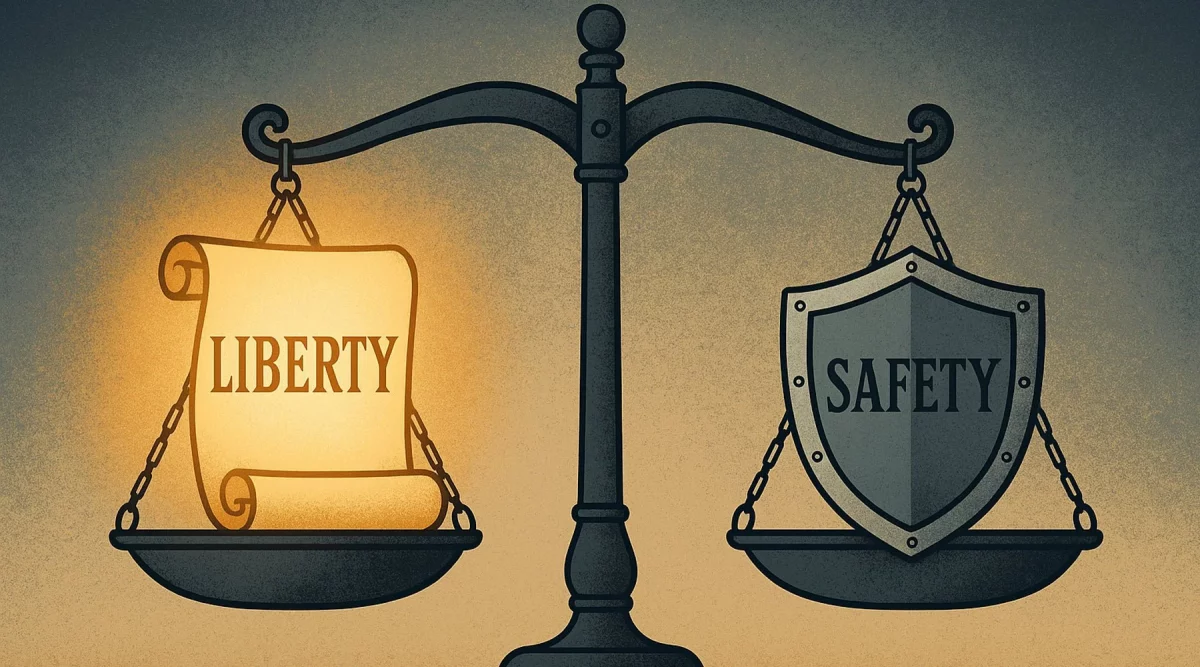
The famous legal maxim remains as relevant today as ever:
Justice delayed is justice denied.
That principle applies equally to victims of crime and to suspects under investigation.
Victims deserve timely justice.
Suspects deserve timely resolution.
Lengthy investigations undermine confidence in state institutions and create unnecessary uncertainty for everyone involved.
Justice loses its meaning when it takes years to determine whether a person is guilty or innocent.
Institutions such as the Ghana Police Service, the Economic and Organized Crime Office (EOCO), the Office of the Special Prosecutor (OSP), National Security and other investigative bodies perform indispensable roles in protecting the Republic.
Their powers, however, are extraordinary.
Such extensive powers require equally strong systems of accountability.
The stronger the authority granted to state institutions, the stronger the safeguards protecting citizens should be.
That is the essence of constitutional democracy.

The time has come for Parliament to undertake a comprehensive review of Ghana’s criminal justice framework.
Several reforms deserve serious consideration; these are:
Parliament should prescribe reasonable timelines within which investigations must be substantially completed, subject only to judicially approved extensions in exceptional circumstances.
Investigations should not remain indefinitely open.
Building upon the concerns raised in my previous article, Parliament should establish statutory principles governing administrative bail to ensure consistency, proportionality and fairness across all investigative agencies.
Where investigations significantly interfere with an individual’s liberty or property rights, the courts should exercise more active supervisory oversight to ensure that investigators, prosecutors, and state agencies respect constitutional safeguards.
Investigative agencies should exercise greater restraint when communicating ongoing investigations.
Public statements should inform citizens without creating the impression that authorities have already established guilt.
The court; not public opinion must determine criminal responsibility.
Parliament should establish an independent oversight mechanism to periodically review the operational practices of investigative agencies.
Such reviews should assess compliance with constitutional standards, respect for human rights, operational efficiency and institutional accountability.
Independent oversight strengthens not weakens public institutions.
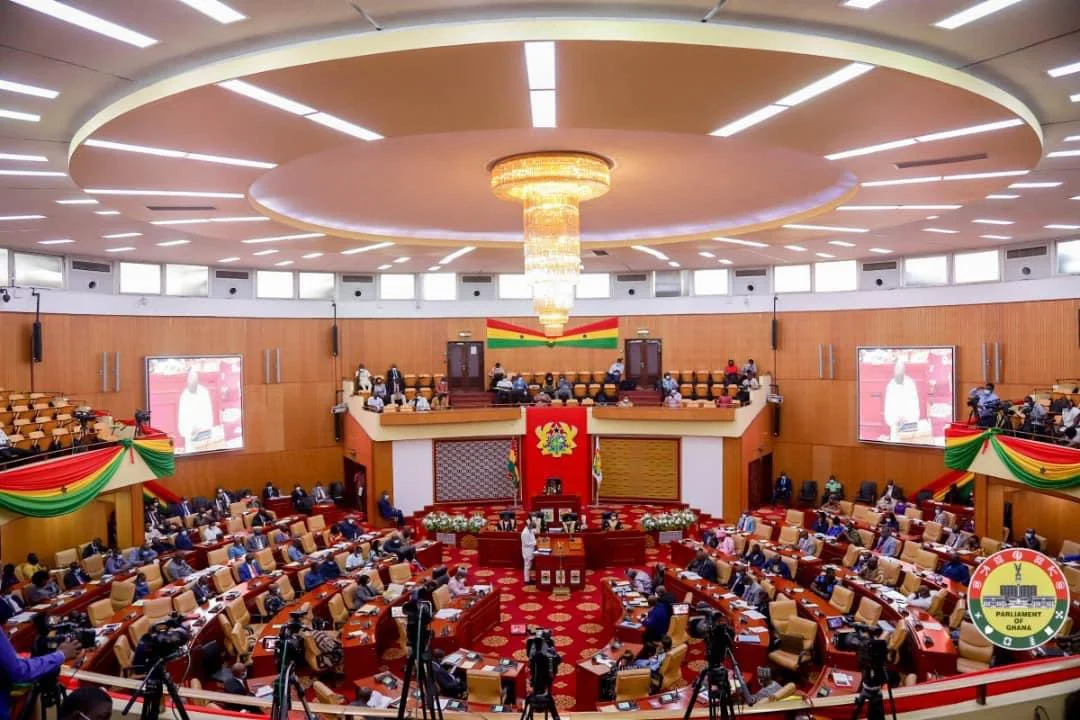
The true strength of democracy is not measured when institutions investigate popular targets.
It is measured when institutions faithfully respect constitutional limits even while pursuing unpopular suspects.
Today, the person under investigation may be a politician.
Tomorrow, it may be a journalist, business executive, public servant, or an ordinary citizen with no political affiliation whatsoever.
Constitutional rights exist precisely because governments change, political fortunes change and public opinion changes.
Ghana has made significant progress in strengthening institutions responsible for combating corruption, organized crime and economic offences.
That progress should be acknowledged.
However, institutional strength cannot be measured solely by the number of arrests made or investigations commenced.
It must also be measured by:
And above all, by fidelity to the Constitution.
Our criminal justice system must protect society from criminals.
But it must also protect every citizen from the arbitrary exercise of state power.
Only then will justice truly serve its constitutional purpose.
Only then will Ghanaians have confidence that the rule of law protects everyone equally not just those who hold political power.

A very insightful read. I really like the point about investigations not becoming punishment. Fighting crime and protecting people’s constitutional rights shouldn’t be mutually exclusive. Well written