Head Office
No. 8 Klunye Adjele Street
East Legon, Accra – Ghana

No. 8 Klunye Adjele Street
East Legon, Accra – Ghana
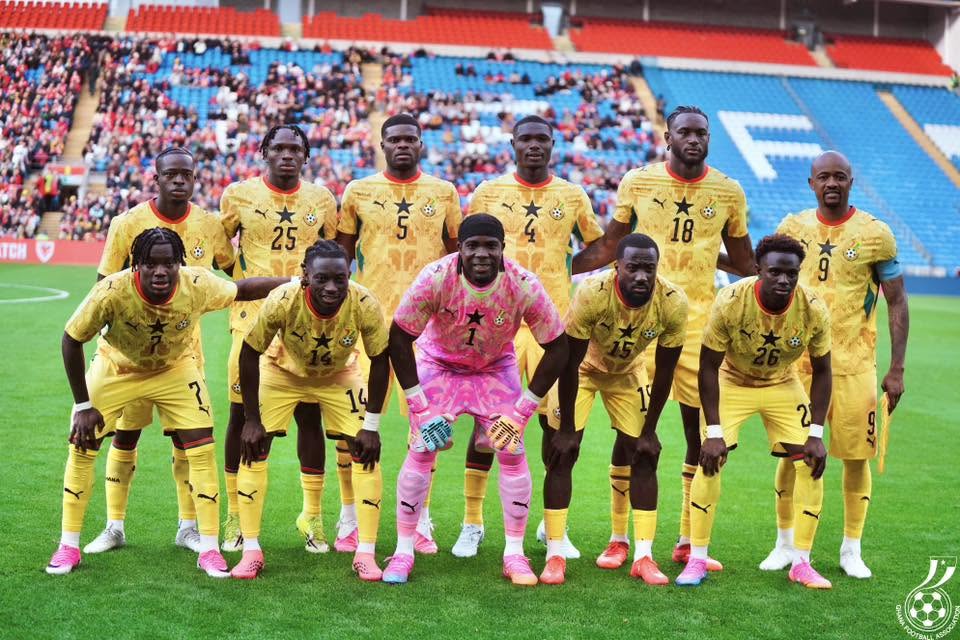
Ghana’s Black Stars have returned home after exiting the FIFA World Cup at the Round of 32.
Considering the team’s struggles over the past five to seven years including disappointing performances in major tournaments, many Ghanaians will understandably view reaching the knockout stage as progress.
Perhaps it is.
But progress should never be confused with excellence.
When measured against the standards Ghana once set for itself, particularly the unforgettable 2010 FIFA World Cup in South Africa, where the Black Stars were just a penalty kick away from becoming the first African nation to reach the semi-finals, this latest campaign still reflects a football nation performing well below its potential.
The biggest mistake Ghana can make now is to celebrate a respectable exit while ignoring the structural failures that produced it.
Football discussions in Ghana often follow a predictable pattern.
When results are poor, the coach becomes the first casualty, players are criticized; and then administrators make promises without delivery.
Then the cycle repeats itself.
But Ghana’s football crisis cannot be solved by changing coaches every few months.
The circumstances leading into this World Cup illustrate exactly why.
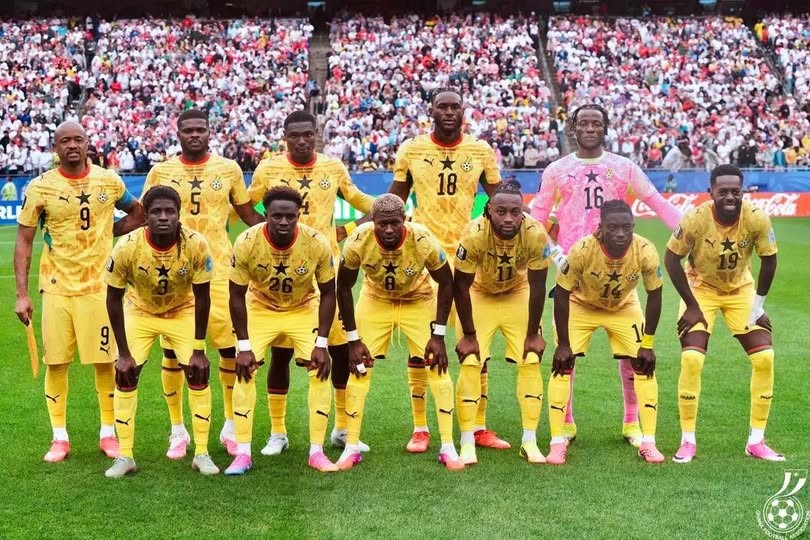
After a prolonged period of poor performances including failure to qualify for the 2025 Africa Cup of Nations for the first time in about two decades and failing to win any of the pre-world cup friendlies. In response, the Ghana Football Association eventually changed the coach shortly before the World Cup.
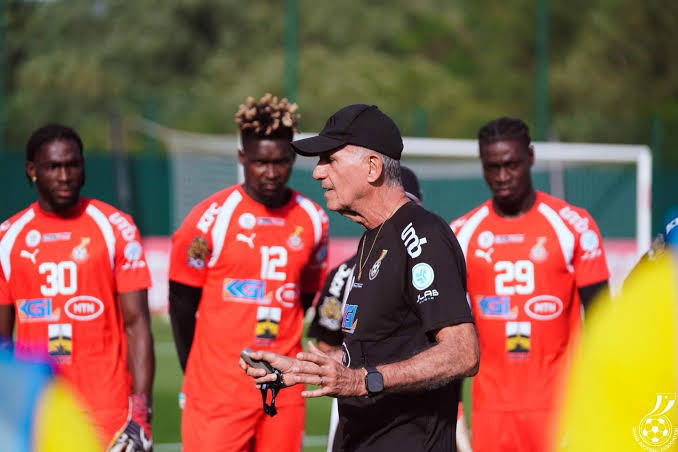
Any coach appointed barely two months before the world’s biggest football tournament faces an almost impossible task.
Modern football demands time:
These are luxuries no last-minute appointment enjoys.
The shortcomings therefore go far beyond the individual standing in the technical area.
National teams do not become successful overnight, they are built over many years.
One of Ghana’s greatest strengths during its golden generation was continuity.
Players such as Stephen Appiah, Michael Essien, Sulley Muntari, Asamoah Gyan and others progressed through Ghana’s youth football structures before representing the senior national team.
Many had already developed strong relationships on the pitch before reaching the Black Stars.
That familiarity mattered.
Unlike club football, national team coaches have only limited time with players before competitive matches. The chemistry required to compete at the highest level is therefore often developed during the juvenile years.
Unfortunately, Ghana has gradually abandoned that model.
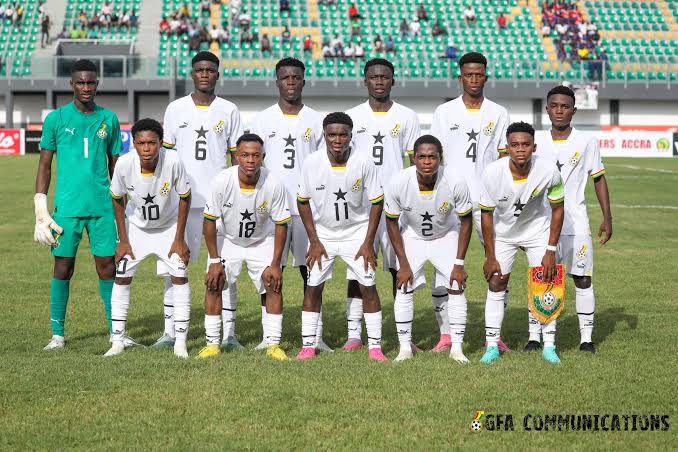
Today, many players arrive in the senior national team having never played together through the U-17 or U-20 national structures.
That lack of continuity becomes evident whenever the team faces technically organized opponents.
The decline of Ghanaian football did not begin with the senior national team.
It began much earlier.
Inter-school sports competitions that once identified exceptional talent have steadily lost prominence.
Youth development pathways have weakened.
Several football development centres that once nurtured future internationals no longer receive the attention they deserve.
Instead of building a sustainable football pyramid, Ghana has increasingly depended on individual brilliance and foreign-developed players.
That approach is not sustainable.
Every successful football nation invests heavily in youth development: Ghana should be no different.
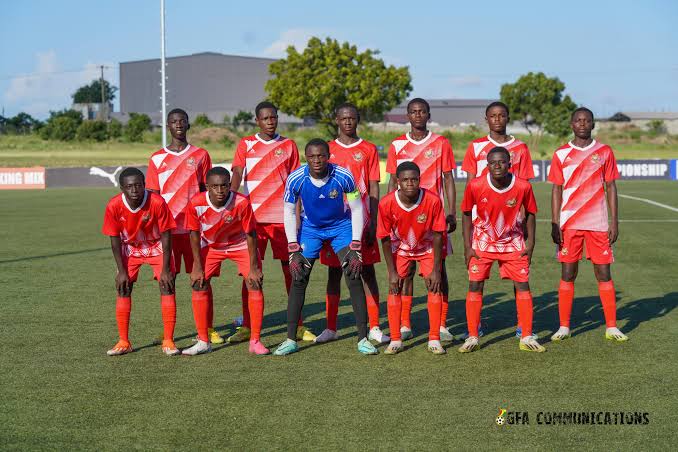
Many governments still treat sport as entertainment; it’s actually a costly mistake.
Globally, football generates billions of dollars annually through broadcasting rights, sponsorships, tourism, merchandising, infrastructure development, employment and talent exports.
Countries that invest strategically in sport enjoy significant economic returns.
Morocco offers perhaps the best African example. Long before its historic 2022 World Cup run and its impressive run at this year’s World Cup as the only surviving African team to make the quarter finals, has invested in elite academies, modern training centres, coach education, sports science, and nationwide talent identification. Institutions such as the Mohammed VI Football Academy have become models for long-term player development, producing technically gifted footballers while strengthening Morocco’s football economy.
Senegal has followed a similar path by investing in youth football, improving coaching standards, strengthening domestic football structures, and expanding high-performance facilities. The result has been sustained competitiveness at continental and global levels rather than isolated success.
Neither Morocco nor Senegal relied on luck; they invested in systems.
Ghana on the other hand have suddenly ceased from investing in this module and seem to be relying on luck; which is a lazy approach to success.

For years, Ghanaian football has been dominated by discussions about individual coaches and player selection.
Those conversations often overlook the deeper structural problems.
Questions continue to arise regarding governance, long-term planning, financial accountability, youth development, infrastructure and transparency.
No football association should exist primarily to organize national team matches.
Its primary responsibility should be developing football from the grassroots to the elite level.
If the foundation remains weak, the senior national team will continue to experience inconsistent performances regardless of who coaches it.
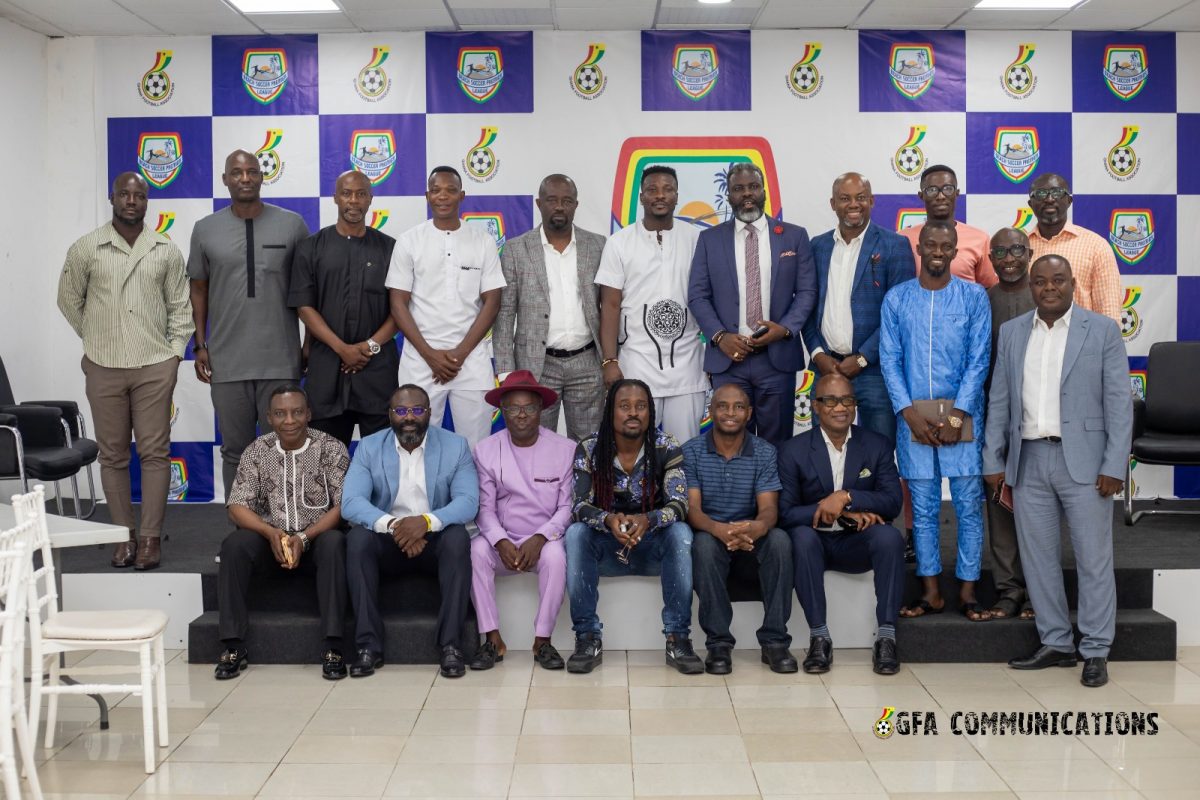
Government should formally engage FIFA regarding concerns over football governance, transparency, and long-term development within the Ghana Football Association.
This should not be political interference in football operations.
Rather, it should seek stronger institutional accountability for an association entrusted with managing one of Ghana’s most important national sporting assets.
Public resources allocated to football must produce measurable development outcomes.
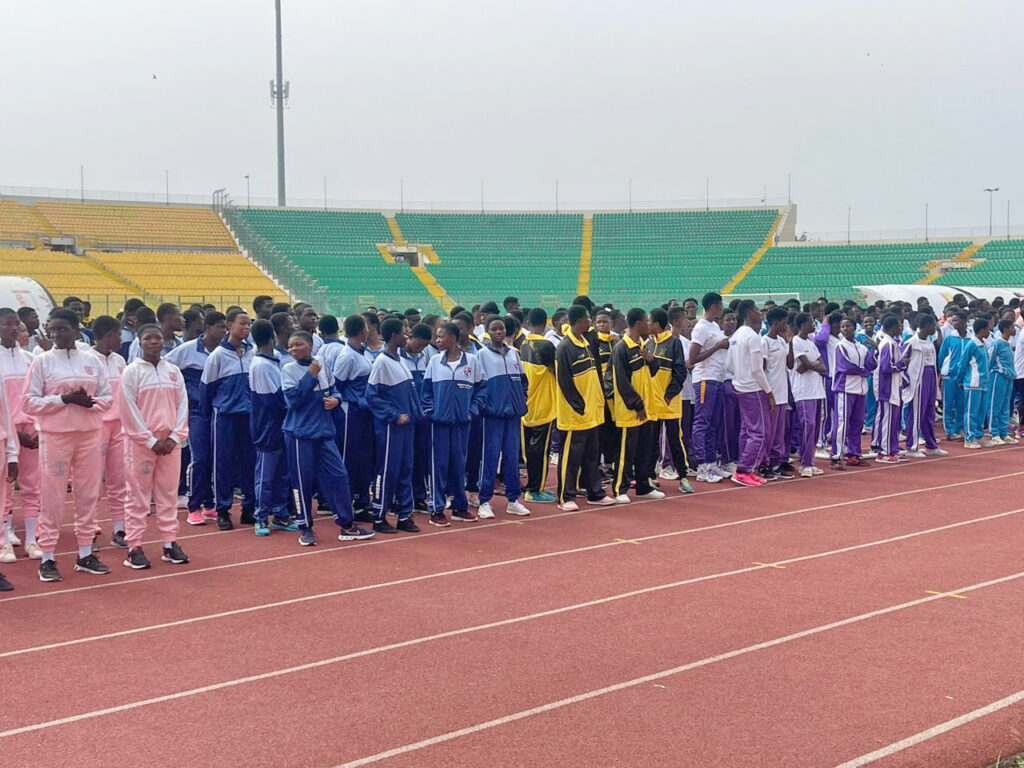
The Ministries of Education, Sports & Youth Development should jointly restore and strengthen nationwide inter-school sporting competitions.
For decades, these competitions produced many of Ghana’s finest footballers and athletes.
Schools must once again become the foundation of national talent identification.
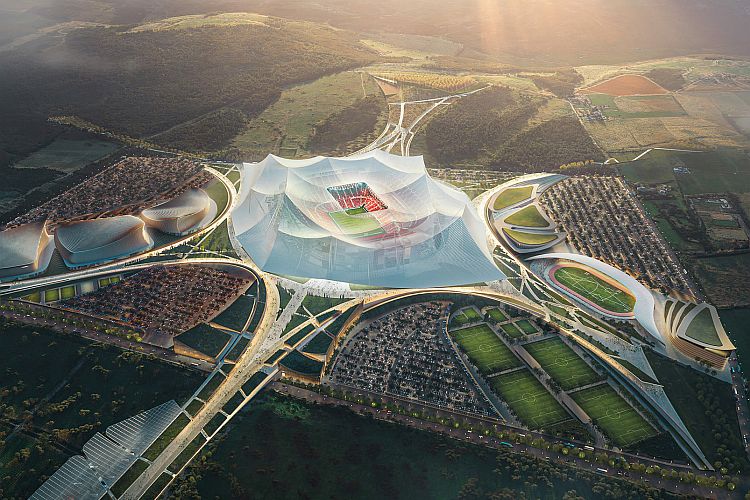
Government must complete and upgrade youth resource centres which were started by the previous government and also develop new sports development facilities across the country to enhance genuine high-performance talent identification and development.
Rather than allowing those incomplete youth resource centres to deteriorate, they should be redesigned into modern sports academies that provide coaching, education, sports science, medical support and athlete development.
Ghana should study successful models such as Morocco’s and adapt them to local realities.
Good governance requires clear separation between regulation and competition.
The Ghana Football Association should focus on regulating and developing football, while the administration of the Ghana Premier League and other professional competitions should operate under an independent structure.
This proposal is viable as its the practice in England.
In England, the Football Association (The FA) serves as the overall governing body of football in England. It oversees the England men’s and women’s national teams, regulates the game, develops grassroots football, manages refereeing standards, and administers competitions such as the FA Cup.
By contrast, the English Premier League (EPL) operates as an independent commercial organisation owned by its twenty member clubs. It is responsible for managing England’s top-flight league, including its commercial operations, broadcasting rights, and day-to-day administration. Although The FA retains a special constitutional role in major structural decisions affecting English football, it does not interfere in the league’s routine commercial management.
This separation has strengthened governance by ensuring greater transparency, clearer institutional responsibilities, and improved accountability across English football.
Ghana should adopt a similar governance framework. The Ghana Football Association should concentrate on its core mandate of regulating football, developing grassroots and youth football, managing the national teams, improving coaching and refereeing standards, and promoting football nationwide. The administration of the Ghana Premier League and other professional competitions should be entrusted to an independent league management body operating under transparent governance standards.
The Government of Ghana should engage FIFA and other stakeholders in initiating a comprehensive review of Ghana’s football governance structure to align it with international best practices to strengthen transparency, improve governance, and reduce perceived conflicts of interest.
Every cedi allocated to football development whether from government, FIFA or CAF should be publicly accounted for.
The national teams belong to the people of Ghana.
Taxpayers therefore deserve regular, transparent reporting on how football development funds are utilized and what outcomes those investments produce.
Hence, the Ghana Football Association must be subjected to oversight responsibility through the Auditor General’s Department and Parliament particularly the Public Accounts Committee.
Every organisation is ultimately judged by its results.
If nearly a decade of leadership has coincided with declining performances, weakened youth structures, and growing public dissatisfaction, then serious reflection is necessary.
Institutional renewal is sometimes essential for institutional recovery.
Fresh leadership, new ideas and a long-term football vision may be exactly what Ghanaian football now requires.
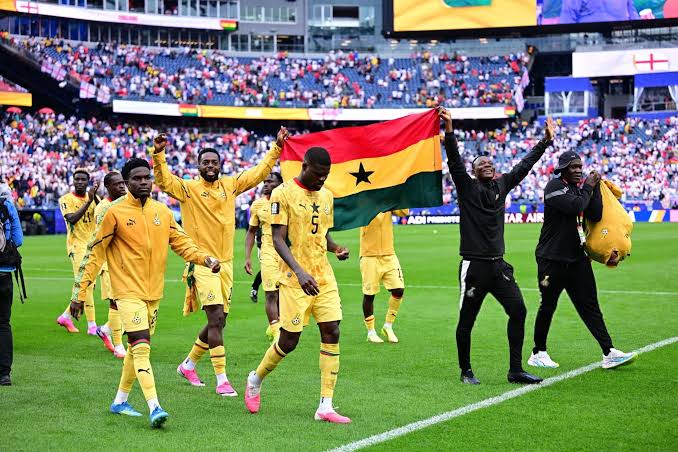
Ghana’s Round of 32 finish should not be viewed simply as another tournament result.
It should be viewed as a warning.
The Black Stars do not merely need a different coach; they need a different football system.
Until Ghana rebuilds youth development, modernizes infrastructure, strengthens governance, improves accountability and treats football as a strategic national investment rather than a periodic national event, tournament disappointments will continue.
The Black Stars once inspired an entire continent; there is no reason they cannot do so again.
But lasting success will not come from changing faces on the bench.
It will come from changing the structures that have held Ghanaian football back for far too long.
