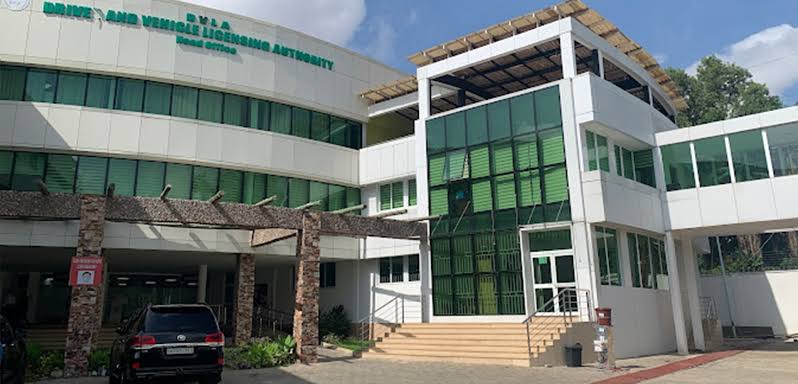
Head Office
No. 8 Klunye Adjele Street
East Legon, Accra – Ghana

No. 8 Klunye Adjele Street
East Legon, Accra – Ghana
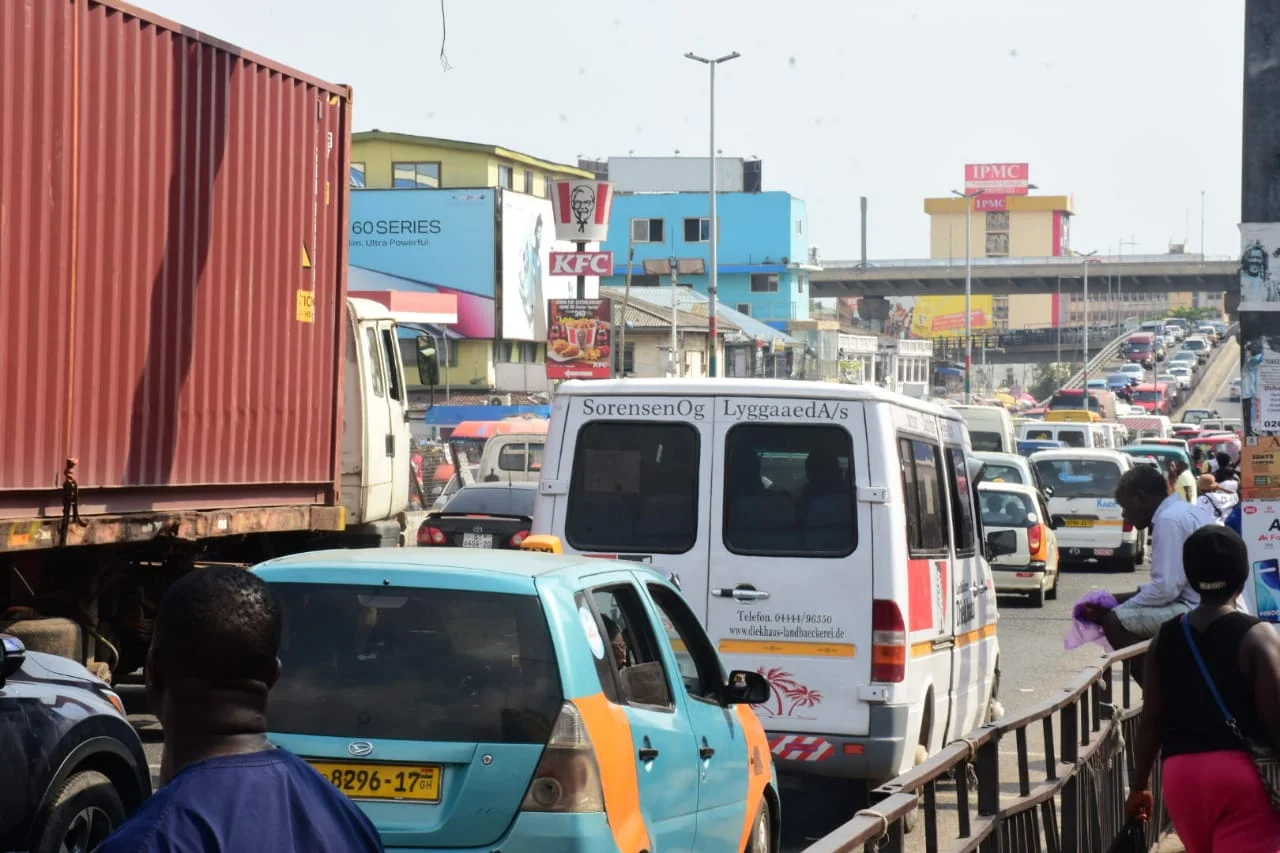
Road safety in Ghana is often discussed after tragedy strikes.
A fatal crash occurs. Lives are lost. Public outrage follows. Authorities promise action. Then, gradually, the conversation fades until the next preventable disaster.
This cycle must end.
If Ghana is serious about reducing road traffic crashes and saving lives, we must have an honest conversation about one of the weakest links in our road safety framework: the road-worthiness of vehicles permitted to operate on our roads.
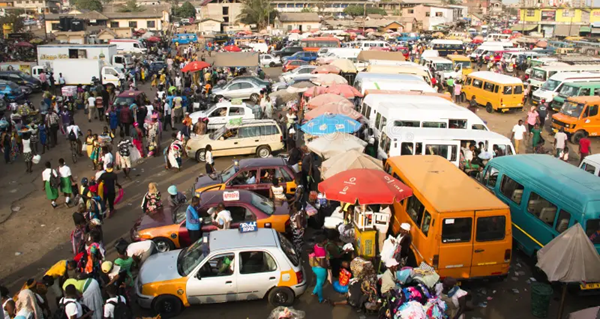
Far too many vehicles, particularly commercial passenger vehicles, are in conditions that should immediately disqualify them from public use. Yet many continue to display valid road-worthy certificates issued or renewed by the regulatory authorities.
That should concern every Ghanaian.
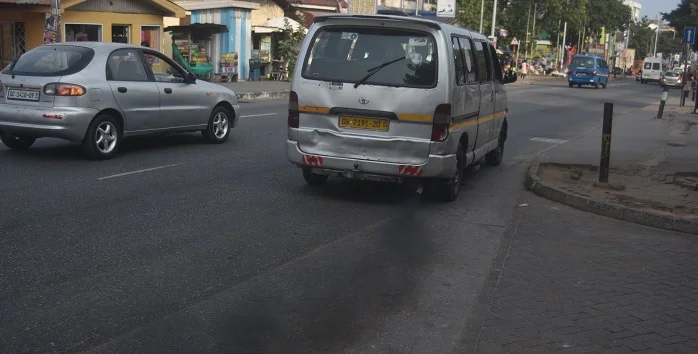
A road-worthy certificate is intended to assure the public that a vehicle has met the minimum safety standards required to operate on Ghana’s roads.
But increasingly, many Ghanaians are asking a legitimate question:
How are visibly defective vehicles still receiving these certificates?
Recently, a widely circulated video from Accra captured passengers in a commercial minibus receiving plastic head pans while seated inside the vehicle because rainwater was pouring through the leaking roof after a heavy downpour.
Passengers remained inside the vehicle, yet they were still drenched by the rain.
The obvious question was not simply about the condition of the vehicle.
It was: How did such a vehicle obtain or renew a road-worthy certificate?
That incident was humorous to some on social media.
In reality, it exposed a deeply worrying failure in vehicle safety regulation.
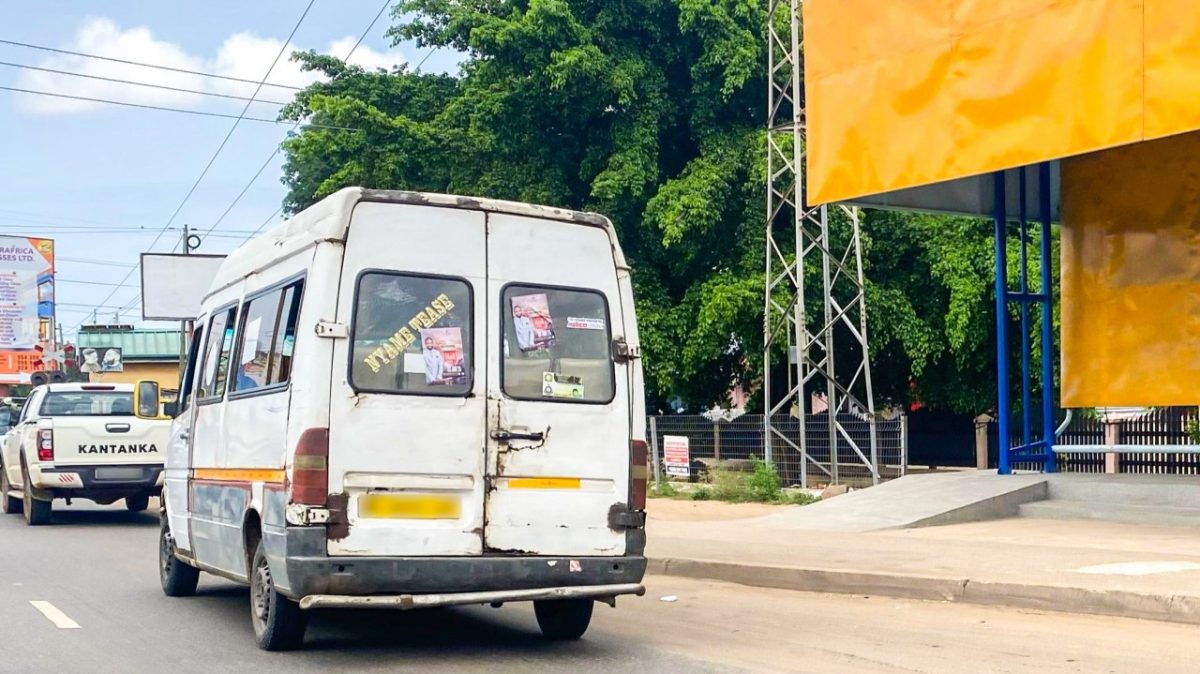
This concern is not based only on viral videos.
I have personally experienced travelling in a commercial minibus whose windscreen wiper failed the moment heavy rain began.
The driver could barely see the road.
Instead of pulling over and addressing the fault, the driver and conductor repeatedly wiped the windscreen manually with a rag after every few minutes of driving just to maintain some visibility.
Passengers continued the journey while hoping nothing tragic would happen.
No passenger should ever have to rely on hope because a vehicle was allowed onto the road in an unsafe condition.
The numbers reinforce why this conversation cannot be ignored.
According to the National Road Safety Authority (NRSA) thousands of road crashes continue to occur annually, resulting in thousands of deaths and injuries. Preliminary 2025 figures showed over 9,600 crashes, nearly 1,940 fatalities, and almost 11,000 injuries between January and August alone.
The NRSA has consistently identified excessive speeding, driver inattentiveness, and loss of vehicle control as major contributors to crashes. Human behaviour remains a leading cause of road traffic collisions.
However, unsafe vehicles must not be overlooked.
These defects can turn an ordinary driving mistake into a fatal crash.
Road safety is not only about how people drive; it is also about what they are driving.
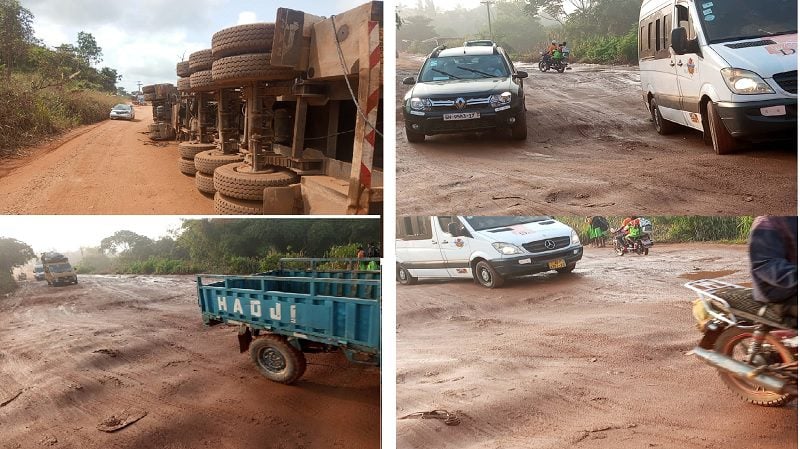
As the Deputy Project Lead of the National Drivers and Transport Conference (NADATRAC), I believe Ghana must have an honest conversation about the role of the Driver and Vehicle Licensing Authority (DVLA).
The DVLA performs one of the most important responsibilities in Ghana’s transport system.
It determines whether a vehicle is fit to be used on our roads. If that process is compromised, the entire road safety framework becomes compromised.
This is not an attack on the institution; it is a call for stronger accountability.
If unsafe vehicles continue receiving road-worthy certificates, public confidence in the inspection system will continue to decline.
Even more troubling are persistent allegations that some vehicles receive certification without undergoing proper physical inspection.
If true, this is not merely an administrative failure; it is a public safety issue.
Every improperly certified vehicle represents a potential danger to lives and property.
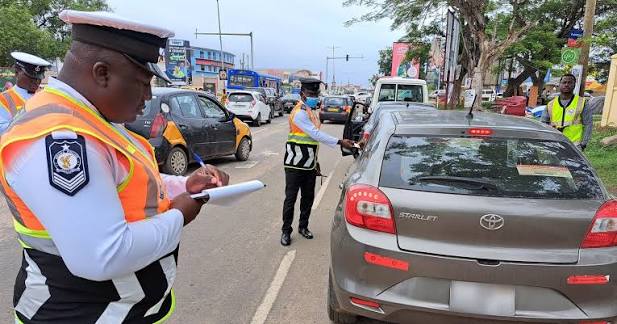
Some may argue that the Ghana Police Service should simply enforce road traffic regulations more aggressively.
Certainly, enforcement remains important however, enforcement alone cannot solve this problem.
Police officers cannot inspect every commercial vehicle on every street, in every town, every single day.
The first line of defence must be the inspection process itself.
If only road-worthy vehicles receive certification, police officers can focus on enforcing compliance rather than identifying vehicles that should never have been certified in the first place.
Road safety begins before a vehicle enters the road not after.
Last Friday, the National Drivers & Transport Conference (NADATRAC) launched its first High School Road Safety Advocacy Tour at Accra Senior High School.
During the engagement, Road Safety Ambassador Mr. Samuel Whyte made a statement that deserves national attention:
“We can easily mitigate road accidents if we are serious about it. As much as they are called accidents and may occur, the majority of road crashes in Ghana are extremely avoidable.”
I fully agree; many crashes are not acts of fate.
They are the consequences of poor decisions, weak enforcement, defective vehicles, speeding, driver indiscipline, and institutional failures.
When preventable risks are ignored, tragedies become predictable.
Ghana must move beyond reactive discussions and implement bold reforms.
The country should consider:
Road-worthy certificates must represent genuine public safety not administrative paperwork.
Every Ghanaian deserves to board a vehicle with confidence that it has passed a rigorous safety inspection.
That confidence is gradually being eroded.
We cannot continue losing lives because vehicles that should be condemned are instead certified.
We cannot continue normalising defective commercial vehicles simply because they have become familiar sights on our roads.
Road safety is a shared responsibility involving drivers, passengers, transport operators, the Ghana Police Service, the National Road Safety Authority, and the DVLA.
But the chain of safety begins with ensuring that only safe vehicles are permitted onto our roads.
If we fail at that first step, we should not be surprised when avoidable tragedies continue to occur.
Because a vehicle that is not road-worthy has no business carrying the lives of Ghanaians.

A powerful and timely piece. Ghana must move from reacting to tragedies to preventing them through stronger policies, regular vehicle inspections, and effective enforcement.