Head Office
No. 8 Klunye Adjele Street
East Legon, Accra – Ghana

No. 8 Klunye Adjele Street
East Legon, Accra – Ghana
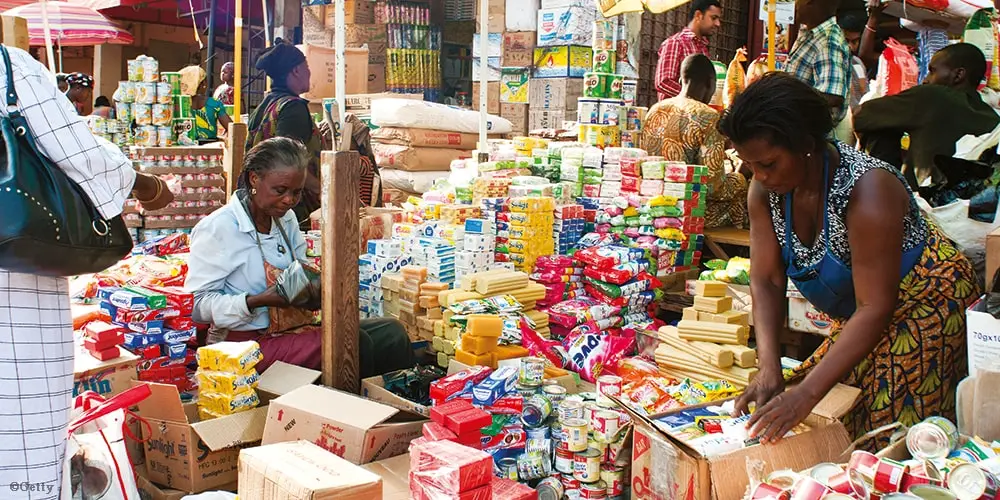
In a previous article titled: Why is an Improving Ghanaian Economy not reflecting in the economic reality of the ordinary citizen?. I highlighted five (5) key factors why Ghana’s current improvement in economic indicators are not reflecting in the reality of the ordinary citizen.
In this article, I will highlight on the key initiatives Ghana should take in ensuring that, the gains made in the economy translate into the reality of the ordinary citizen. In fact, this economic challenge has highlights a deeper issue, that is: macroeconomic stability, on its own, is not enough.
What Ghana needs now is a deliberate shift toward policies that translate economic progress into tangible improvements in everyday life.
A central challenge in Ghana’s economy is its heavy dependence on imports. From food items to industrial inputs, almost every sector of the economy has a significant portion of what it consumes locally been sourced externally. This exposes the economy to exchange rate volatility and global price shocks especially for commodities like crude oil and gold.
To address this, Ghana must aggressively invest in domestic production particularly in manufacturing, agriculture, and agro-processing. Beyond production, the focus must shift to value addition, ensuring that raw materials such as cocoa, cashew and other agricultural products are processed locally.
Recent restrictions imposed by Burkina Faso on the export of tomatoes have raised significant concerns for Ghana’s local economy. Ghana relies heavily on imported tomatoes, particularly from Burkina Faso, due to limited domestic production capacity.
As a result, this development poses a serious risk to the supply chain. With reduced imports and insufficient local production to meet demand, there is a high likelihood of both price increases and potential shortages in the market. This situation highlights the vulnerability of Ghana’s food system and its dependence on external sources for essential commodities
Hence, this approach for the country to aggressively invest in domestic production is a matter of urgency. It will not only stabilize prices but also create jobs and strengthen economic resilience.
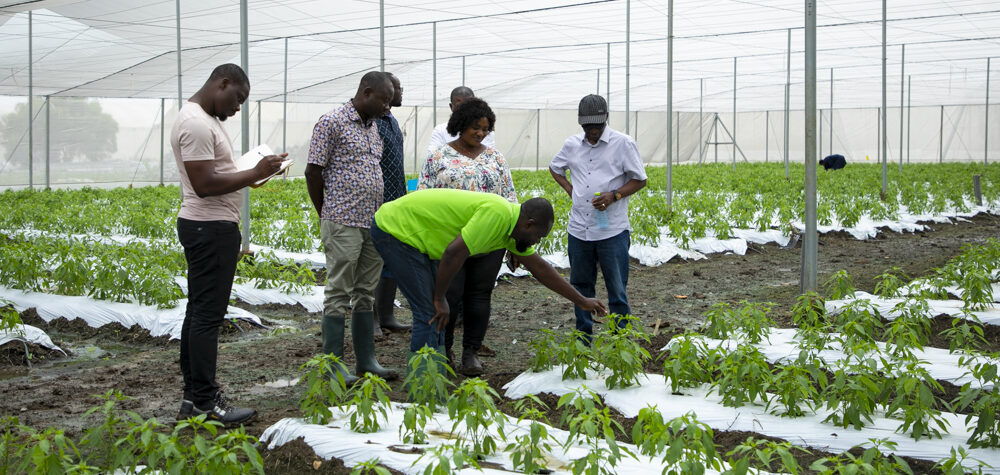
Market inefficiencies and weak competition often prevent economic gains from reaching consumers. In many cases, even when input costs decline, prices remain high due to limited competition or weak regulatory enforcement.
Strengthening institutions responsible for market regulation and promoting fair competition will be critical. Transparent pricing mechanisms and accountability in key sectors can help ensure that businesses pass on cost reductions to consumers.
This approach is not without its challenges. It presents significant political and economic implications, making it difficult for any government or regulator to implement seamlessly. However, it remains one of the most effective ways to ensure that improvements in economic conditions translate into tangible benefits for the everyday lives of citizens in Ghana.
To achieve this, the government must adopt a consultative and inclusive approach—engaging trade unions, industry groups, and key stakeholders in structured negotiations to build consensus before implementing any market regulations. Such collaboration will not only enhance policy acceptance but also ensure more sustainable and equitable outcomes.
One of the most pressing concerns for households in Ghana is the disconnect between income growth and the rising cost of living. While macroeconomic indicators improve, wages have not kept pace with the performance over time.
Moreover, institutions such as the National Tripartite Committee must adopt a more responsive approach to wage adjustments, ensuring that increases reflect real economic conditions.
At the same time, policies that support private sector expansion particularly for small and medium-sized enterprises will be essential in creating sustainable employment and improving income levels.
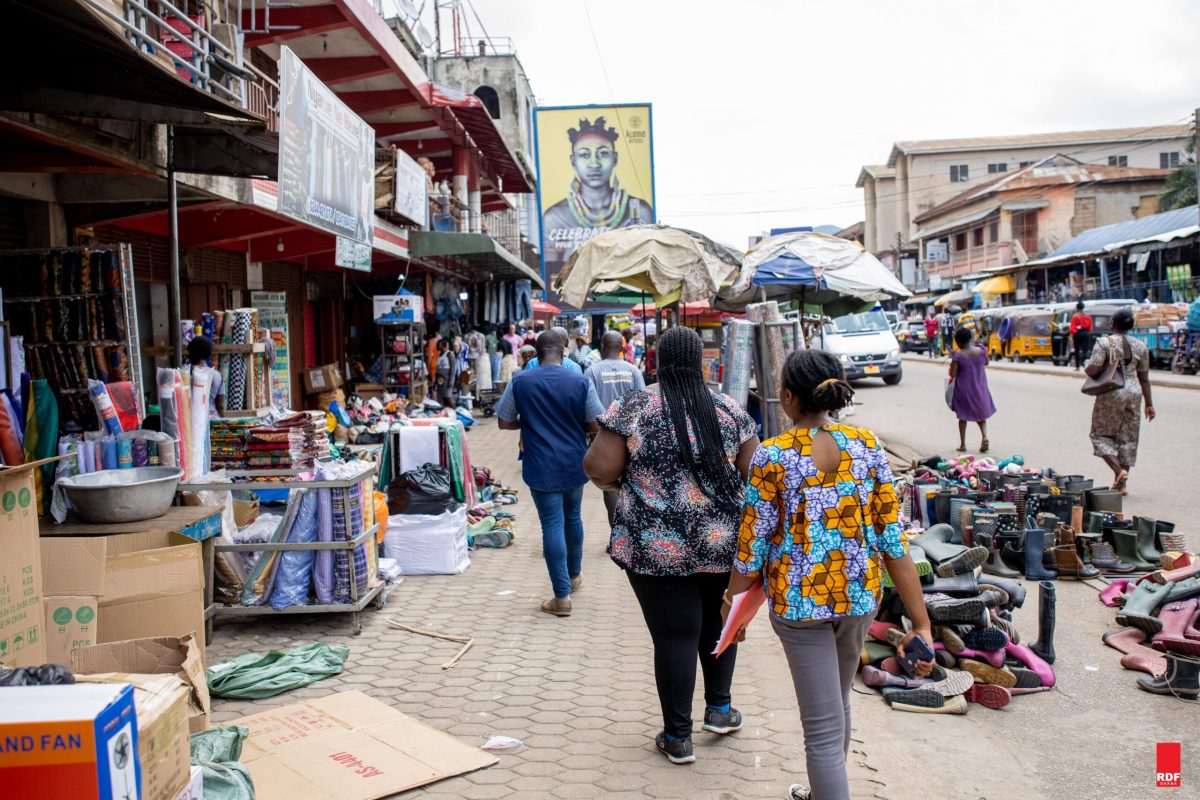
High costs of transportation, energy, and logistics continue to drive up prices across the Ghanaian economy. However it turns out that, businesses pass these costs on to consumers, contributing to persistent inflationary pressure on citizens.
To address this, strategic investment in infrastructure especially in energy reliability, road networks, and supply chain systems can significantly reduce operational costs. Over time, this will lead to lower prices and improved competitiveness within the economy.
Effective economic management requires strong coordination between fiscal and monetary authorities. In order to sustain economic stability, government policies must align with the decisions of the Bank of Ghana.
However, beyond coordination, the key challenge lies in implementation. Policies must be consistent, transparent, and effectively executed to build confidence and ensure that economic gains are broadly shared.
Additionally, Parliament should constitute a bipartisan oversight committee mandated to monitor policy coordination and implementation, thereby promoting transparency, ensuring accountability, and reducing the risk of corruption.

Ghana’s recent macroeconomic progress is a necessary foundation for recovery, but it is not sufficient. Without deliberate efforts to address structural weaknesses, improve incomes, and reduce the cost of doing business, the benefits of economic stability will remain unbeneficial to many citizens.
The way forward requires a shift from focusing solely on economic indicators to prioritizing real outcomes; which is, job creation and improved living standards.
Ultimately, the success of Ghana’s economic recovery will not be judged by statistics, but by the extent to which it improves the everyday lives of its people.
