Fixing the Politics of Policy Implementation in Africa
In a previous article titled “Policy Implementation Failures in Africa – Politics; The Elephant in the Room”, I opined that, politics happen to be a key contributor to policy implementation failures in Africa, however, this position is not to undermine the importance of politics because no democratic system avoids politics. The real issue is that politics in many African countries dominates policy implementation instead of enabling it. Therefore, the challenge is to redesign political incentives in a way that execution becomes politically logical instead of being politically dangerous, rather than to eliminate politics from governance.
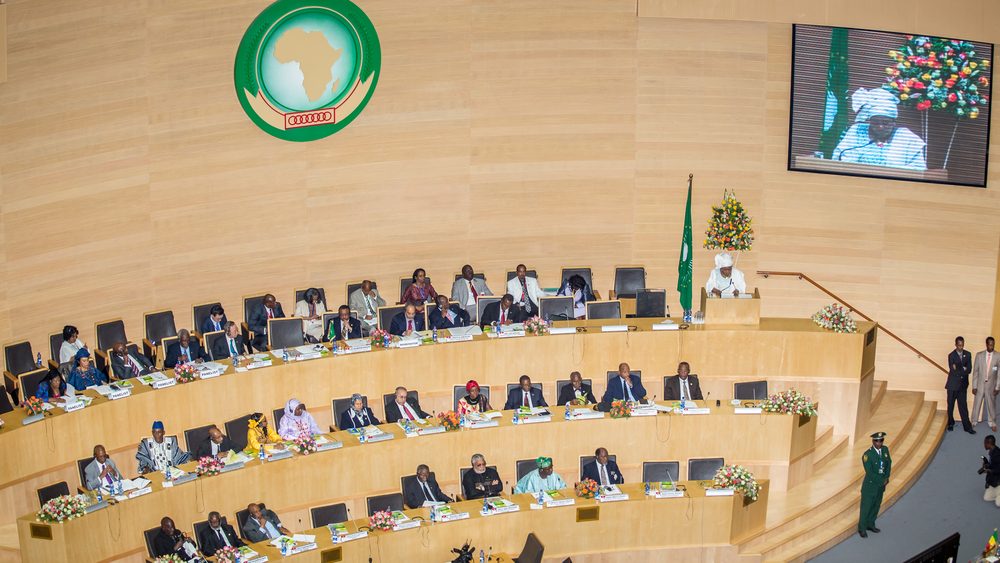
Image Credit: Ifri
This article outlines practical measures African countries can reduce political obstruction to policy implementation without compromising democracy.
Firstly, core policies should be insulated from electoral cycles. One of the biggest threats to policy implementation is policy reversal after elections. Amongst many African governments, even when policies are effective, new governments either abandon or rebrand policies to claim political ownership. In addressing this challenge, African countries should adopt the key measures which includes, identifying key priority policies for instance, basic healthcare, education and infrastructure after which these priority policies should be incorporated in a binding legal framework and not just an executive programme. These policies should be subjected to supermajority parliamentary approval to reverse these policies in order to prevent political electoral cycles from reversing, renaming or abandoning the policy. This measure does not seek to weaken democracy but to protect long-term development goals from the disruptions of short-term political rivalry.
Furthermore, there must be a distinction from political incentives from announcements to results. In other words, due to the nature of politics in Africa where it rewards visibility and not delivery, leaders gain more accolades for launching new initiatives than from quietly implementing existing ones. Therefore, governments can counterbalance this challenge by linking quantifiable implementation outcomes to political and bureaucratic performance evaluations by publishing simple, citizen-friendly implementation scorecards for citizens and civil society to evaluate the performance of policies. This measure will aid in strengthening independent audit and monitoring of institutions with actual enforcement power. In fact, we must see to the adoption of this measure, because implementation will definitely improve as long as implementation failures have political and reputational consequences.
Additionally, there’s the need to make the elites dependent on the system. One of the factors identified in the previous article was that, elites in African countries seem to be beneficiaries of better circumstances abroad in terms of education, healthcare while others are affected by the poor implementation of policies which are caused by these same elites, it is therefore vital for people and decision-makers to rely on the same systems as every other citizen, in so doing policy implementation processes improves. Key measures such as investment by African governments in the construction of public hospitals and schools designed to meet international standards must be adopted. Also, African governments must through some legal frameworks actively encourage political leaders and senior officials to make use of state institutions and infrastructures, which would help in eliminating the incentives that make elite exit less expensive than local reform. Honestly, when the elites in society rely on public systems and infrastructures, policy neglect becomes politically costly.
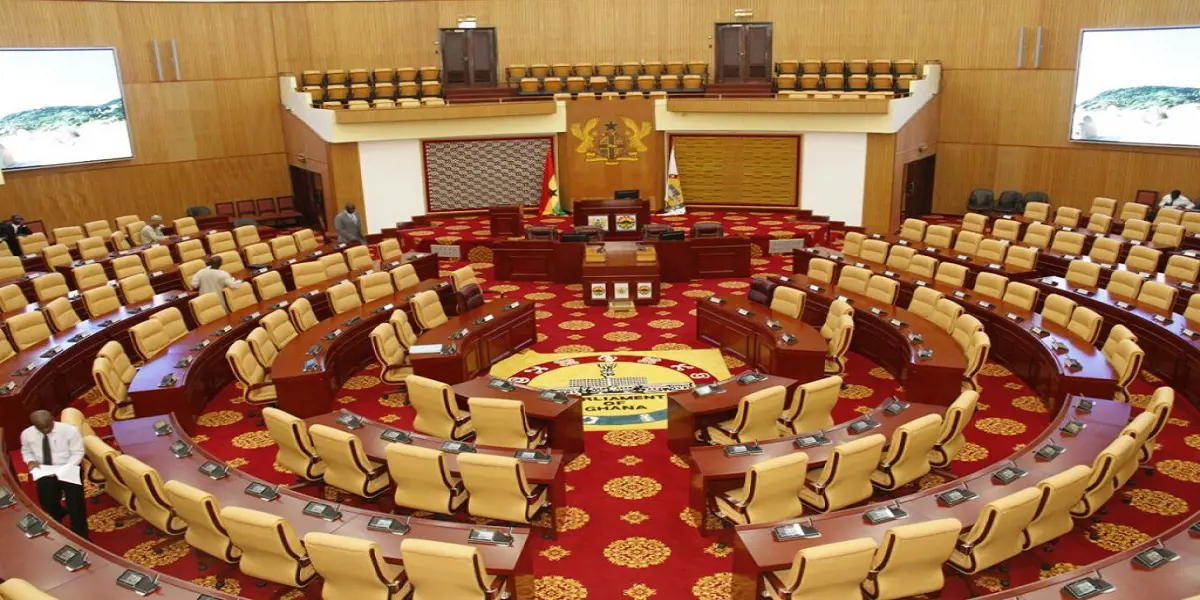
Image Credit: Commonwealth Parliamentary Association
Also, African governments must reject attempts by external parties in determining policy directions. External financing will continue to be part of Africa’s development landscape; however, it becomes problematic when policies are being designed to satisfy the needs and demands of external creditors rather than citizens. Therefore, governments in Africa ought to negotiate conditionalities with stronger domestic coordination, while aligning these externally funded reforms with various countries’ national development plans and include civil society and parliament in the initial stage of negotiations and reform designs to ensure that the interest of citizens is taken into consideration and its at the bedrock of the outcome of negotiations. This will ensure that policies that citizens understand and acknowledge are locally owned encounter less political sabotage.
Finally, bureaucracy must be more professional instead of being politicized. In fact, effective implementation of policies depends on capable institutions that withstand political transitions, hence, there must be merit-based appointments and promotions of officials within state institutions, whiles protecting senior technical employees from arbitrary termination which is a practice by most new governments solely because of the winner takes all mentality and the idea that, existing employees especially at the senior level are not affiliates on their political parties; that practice must cease by ensuring that, there’s a distinct separation between political leadership and administrative execution and this must be backed by a clear legislation that suggests punitive measures for political actors who act contrary to the law. The truth is, when civil servants expect continuity regardless of which political party is in government, they invest in outcomes instead of survival; they ensure the work is done rather than just showing up knowing they could lose their jobs at any given time because of politics.
Conclusion
In conclusion, Africa actually does not need less politics, what it needs is a better-structured political landscape that thrives and promotes development and growth. Policy implementation improves once political incentives are used to reward system performance, continuity and delivery instead of control and symbols.
Depoliticizing implementation means keeping political rivalry from destroying development goals and benefits, not silencing democratic competition. The central challenge faced by Africa is not creating or developing better policies but rather redesigning political systems such that permitting policies to function becomes a rational political decision.