Head Office
No. 8 Klunye Adjele Street
East Legon, Accra – Ghana
No. 8 Klunye Adjele Street
East Legon, Accra – Ghana

On January 7, 2026, Taliban Supreme Leader Hibatullah Akhundzada signed the “Penal Principles of Taliban Courts” into law, marking a devastating escalation in the group’s campaign against women. The 119-article document, which rights monitoring groups like Rawadari recently exposed, dismantles the final legal protections for Afghan women and formally institutes what experts call “gender apartheid.”
Under the guise of religious law, the code reshapes the domestic sphere. It authorises men to use physical violence against their wives while granting perpetrators near-total impunity.
Article 32 contains the code’s most shocking provision. It limits a husband’s sentence to a maximum of 15 days in prison, even if he beats his wife severely enough to cause “fractures, injury, or bruising.” Furthermore, the law places the burden of proof entirely on the wife, an impossible task in a system that bars women from public life and legal counsel.
Human rights advocates point to a grim disparity: under this same code, the Taliban mandates harsher penalties for “forcing animals to fight” than for the severe physical battery of a woman.
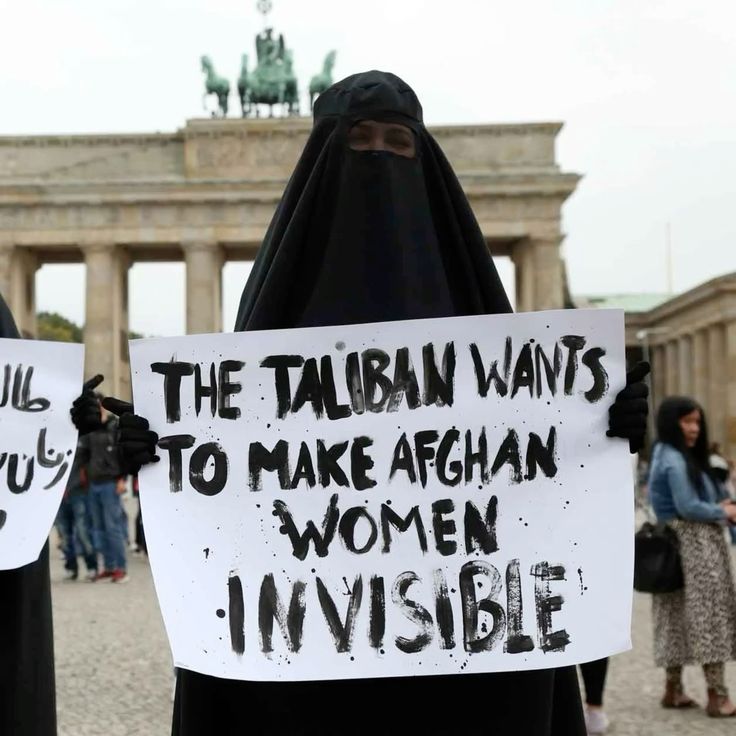
The code extends state punitive power to private citizens. Articles 4(5) and 4(6) empower any Muslim who witnesses a perceived “sin” or a violation of “virtue” to impose tazeer (discretionary punishment) on the spot.
This provision effectively legalises vigilante violence. Now, strangers, neighbours, or family members can legally beat or harass a woman in public for showing her face or speaking too loudly, all under the banner of “preventing vice.”
This penal code crowns a series of over 100 decrees issued since 2021 to strip women of their fundamental rights. Key elements include:
The international community views these developments with mounting alarm. Richard Bennett, the UN Special Rapporteur on Afghanistan, describes the situation as an “institutionalised system of discrimination and segregation.”
Rights groups now urge the United Nations and international bodies to formally recognize the Taliban’s actions as “gender apartheid.” They argue that the 2026 penal code represents a codified system of state-sponsored persecution that demands a coordinated global response, including prosecution under the Rome Statute.
For the 21 million women and girls in Afghanistan, the home has become a legally sanctioned site of violence. As one Afghan activist stated: “The Taliban did not just take our schools and our jobs; they have now handed our lives and our bodies to our abusers by law.”

All the best