Head Office
No. 8 Klunye Adjele Street
East Legon, Accra – Ghana

No. 8 Klunye Adjele Street
East Legon, Accra – Ghana

If leadership begins long before people earn a title, then there are institutions that remains its first and most important classroom; foremost of this is, family.
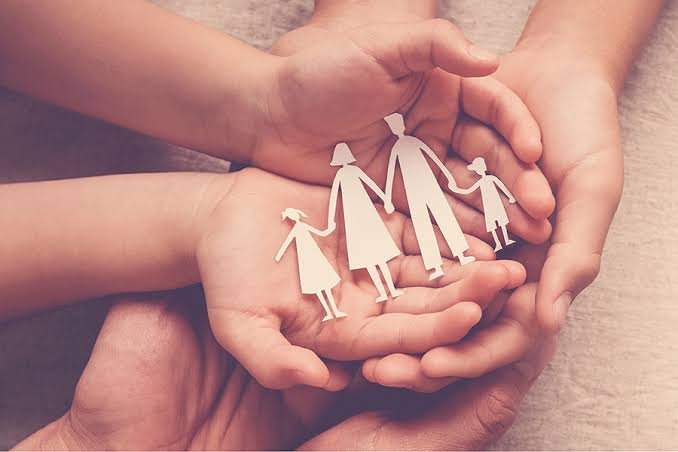
Only a few decades ago, many families spent far more time together than they do today. Children interacted regularly with parents, grandparents, uncles, aunties and older relatives. Family gatherings were more than social occasions; they served as informal classrooms where older generations passed down values, traditions and life lessons to younger ones.
Young people learned how to greet elders respectfully.
They learned to care for younger siblings.
Elders taught them to support struggling relatives and to treat older people with humility.
Elders shared stories, corrected mistakes, passed down family history, assigned responsibilities, and intentionally shaped the character of the younger generation.
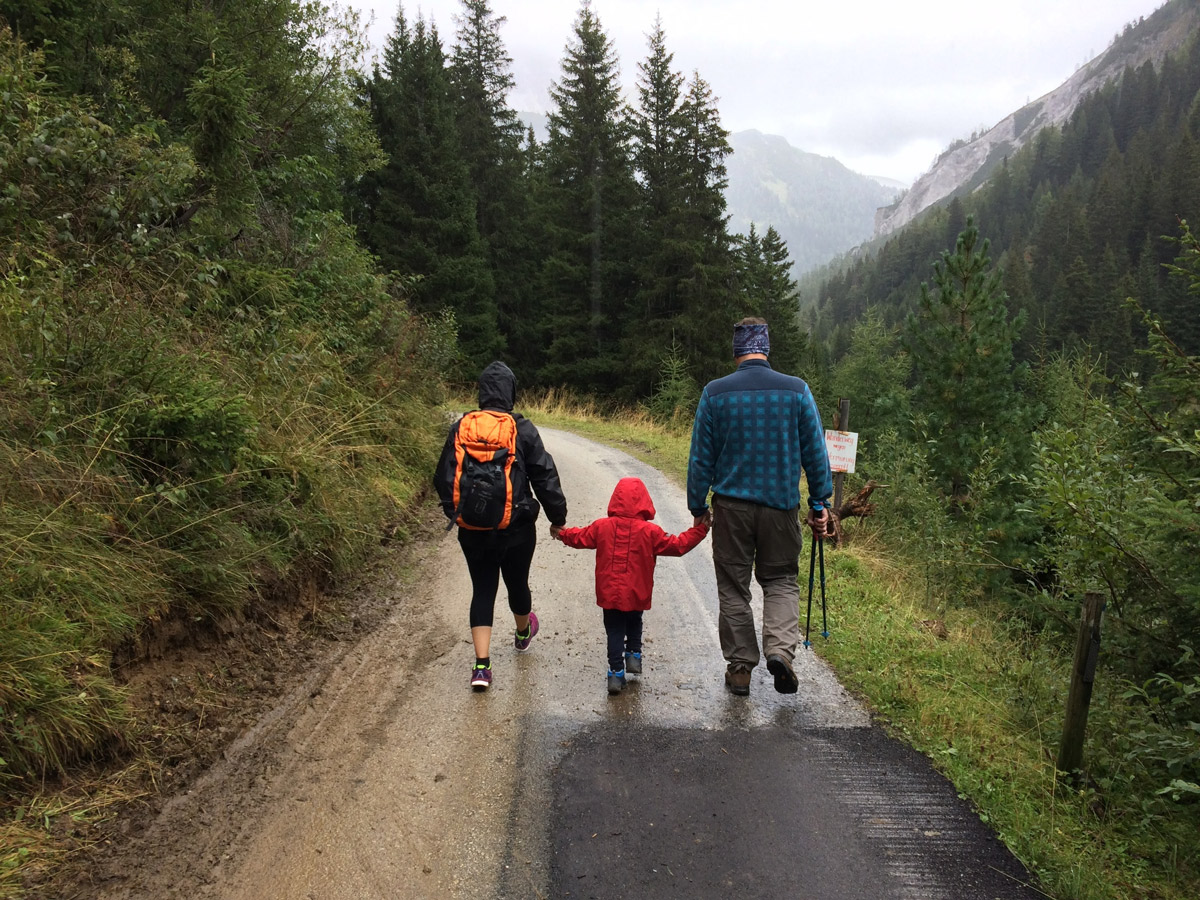
Today, many parents struggle to balance work, financial pressures and the demands of modern life. Families may live under the same roof, yet meaningful interaction has become increasingly rare.
One person is scrolling through a phone; another is watching television, while another is playing games and the other is communicating with strangers online.
There may be internet connection within the home, yet very little emotional connection within the family.
When family bonding weakens, home training weakens with it. Children increasingly receive their values from social media personalities, entertainers and anonymous online communities rather than from those who know and love them most.
Parents may successfully provide food, clothing, education and shelter. Yet children also need conversation, correction, emotional presence and consistent guidance.
When parents never correct a child, that child may grow into an adult who rejects accountability in the workplace. When parents never teach a child empathy, that child may grow into a leader who shows little concern for the suffering of others. Likewise, a child who insults adults without consequences may eventually become a public official who insults the very citizens who elected them.
This is why home training forms the foundation of leadership development.
The crisis extends far beyond the family.
It is increasingly visible within our political culture.
Public office exists to serve the public, not to enrich those who hold it. Our constitutional system envisions it as a place of sacrifice, accountability and service to citizens.
Yet today, too many people pursue political office not because they possess a compelling vision for national development, but because they view politics as the quickest path to influence, financial security and personal advancement.
This mindset is profoundly dangerous.
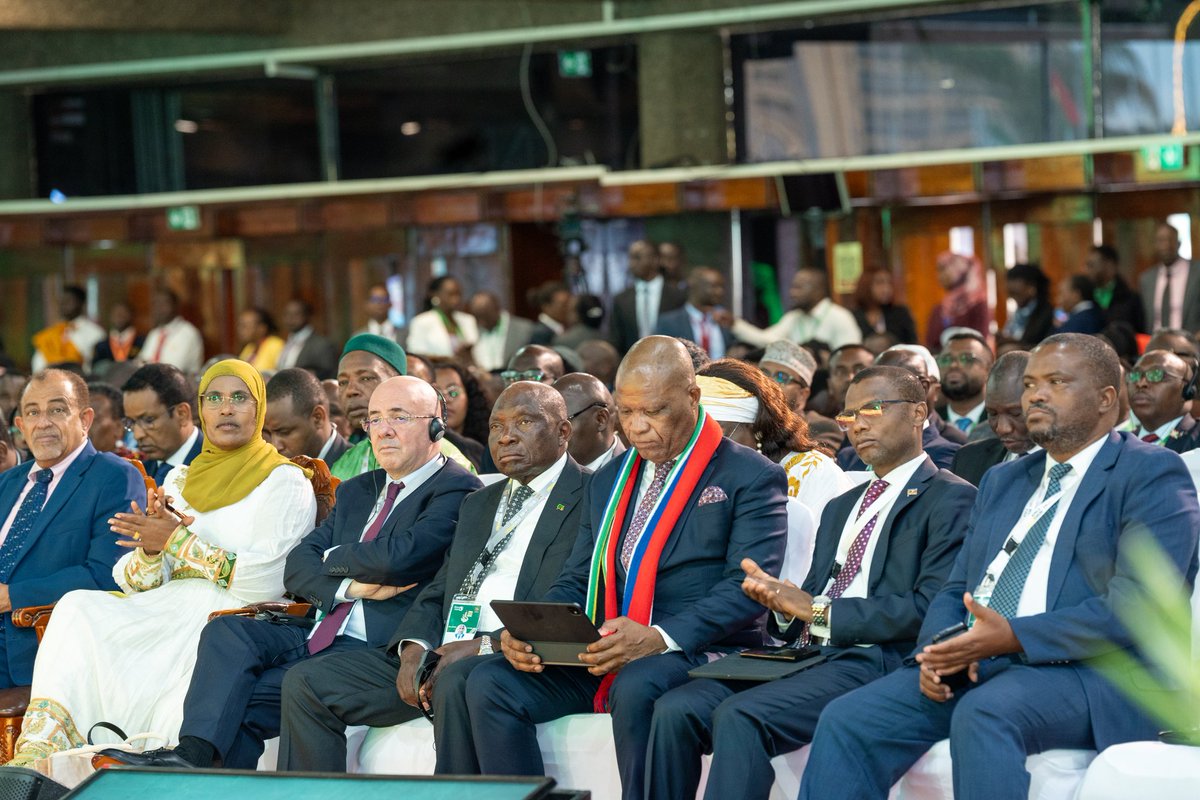
When politics becomes an investment, public office inevitably becomes a means of recovering that investment.
When election campaigns become expensive financial transactions, governance risks becoming a recovery exercise rather than an opportunity to serve the public interest.
The consequence is predictable.
Public service loses its true meaning.
Citizens become secondary.
National development gives way to personal enrichment.
Political leadership gradually becomes another form of entitlement.
Many begin to believe that financial contributions, political loyalty or campaign activism automatically entitle them to appointments, contracts and access to state resources.
This is not public service.
It is the capture of public institutions by private interests.
Every society eventually produces the kind of political leadership it intentionally prepares.
Are we raising leaders who understand that the state belongs to the people?
Or leaders who believe the state is a reward to be shared among loyal supporters?
Are we preparing statesmen and stateswomen committed to safeguarding public resources?
Or are we producing individuals who view national wealth as compensation for political sacrifice?
These questions should concern every Ghanaian, regardless of political affiliation.
For centuries, chiefs served as custodians of their communities.
They represented stability, wisdom and continuity.
The stool or skin symbolised far more than authority. It embodied the history, dignity and collective identity of the people.
Communities trusted traditional leaders to preserve customary values, resolve disputes, protect communal lands and safeguard future generations.
Today, however, some traditional institutions face growing criticism.
In certain communities, chieftaincy has become associated with land disputes, political influence and internal divisions rather than community development.
The land intended to benefit future generations is sometimes treated as private property.
Community interests are occasionally overshadowed by personal interests.
This does not diminish the many chiefs who continue to serve honourably and selflessly.
However, where institutions are abused, society must possess the courage to speak honestly.
Respect for traditional authority should never prevent accountability.
True traditional leadership protects the people before protecting privilege.

Religious institutions have historically played one of society’s greatest roles in shaping character.
Churches, mosques and other places of worship were never merely centres for religious gatherings. They served as schools of integrity, teaching honesty, patience, compassion, forgiveness, and responsibility.
They served as schools of integrity, teaching honesty, patience, compassion, forgiveness, and responsibility.
These institutions constantly remind the society that wealth without character ultimately destroys both individuals and societies.
Sadly, religion has also become vulnerable to commercialisation.
In some places, faith has become a commodity; fear has become a marketing strategy; prophecy has become a product; and desperation has become a business opportunity.
Rather than preparing people to live responsibly, work diligently and build productive lives, some leaders encourage unhealthy dependence.
When religion loses its moral authority, the damage extends far beyond finances, for instance:
Religious leadership must once again become synonymous with truth, compassion, accountability and service.
A true spiritual leader does more than inspire crowds.
A true spiritual leader prepares people to become responsible citizens, faithful parents and principled leaders.
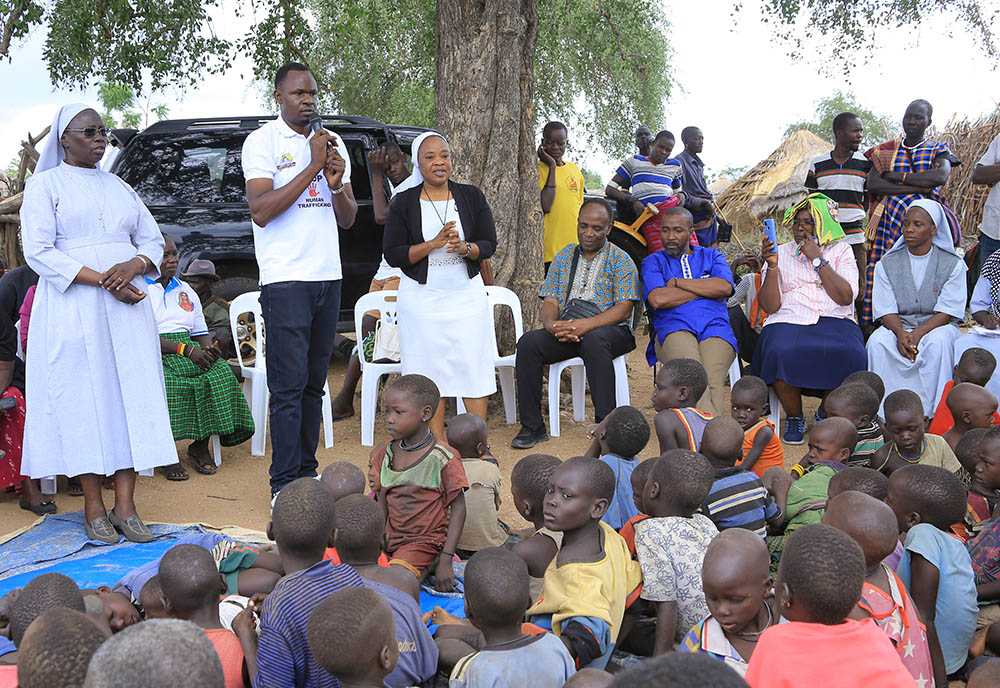
The leadership crisis we face today cannot be blamed on young people alone. It reflects the gradual weakening of the institutions responsible for shaping character, transmitting values and preparing future generations for responsibility.
Families, schools, political parties, traditional authorities, religious institutions and communities all have a role to play. If these institutions neglect mentorship, discipline and moral formation, the quality of future leadership will inevitably suffer.
The responsibility before us is therefore both urgent and collective. We must rebuild a culture that values character above popularity, service above privilege and preparation above instant recognition. Only then can we raise leaders who possess not only the competence to lead, but also the integrity to serve.
The leaders of tomorrow are already being formed today. The question is whether we are shaping them with intention or leaving their future to chance.
