Head Office
No. 8 Klunye Adjele Street
East Legon, Accra – Ghana

No. 8 Klunye Adjele Street
East Legon, Accra – Ghana
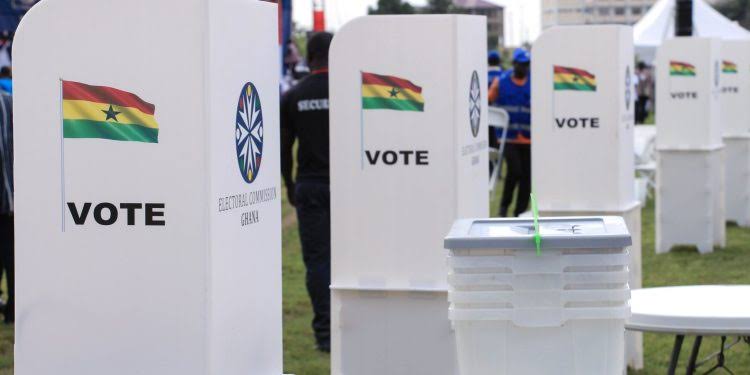
For years, Ghanaians have demanded a fundamental change in the way Metropolitan, Municipal and District Chief Executives (MMDCEs) are selected. We have argued that MMDCEs must be elected.
The Constitutional Review Committee, chaired by Professor Henry Kwasi Prempeh, has now given Ghana an opportunity to finally make that reform a reality.
The Government has also accepted the principle that MMDCEs should be elected.
That is welcome: But there is a problem.
What the Government is proposing is not the kind of election many of us have been demanding.
Under the Government’s proposed model, the President would nominate five persons for a particular MMDCE position. Two must be women. After vetting, three would be shortlisted, including at least one woman, and those three would contest the election.
In other words, the people would vote but the President would first decide who gets to appear on the ballot.
That raises a fundamental question:
Are we truly transferring power from the President to the people, or are we simply giving presidential appointment a democratic-looking face?
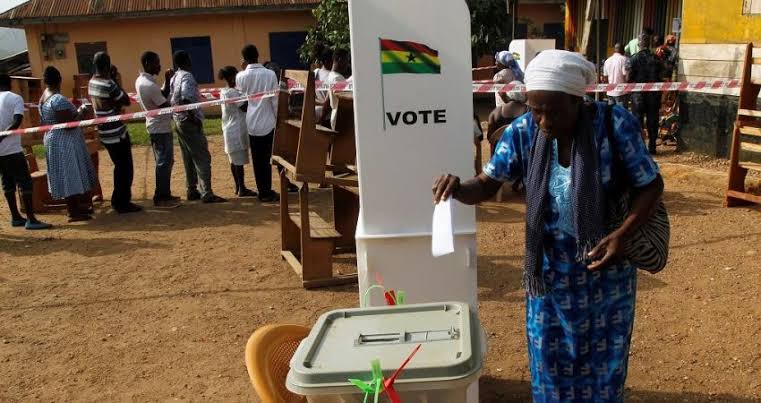
This debate is not new.
The demand for elected MMDCEs has been part of Ghana’s political conversation for years. Both major political parties have, at different times, supported the principle.
The NPP made the direct election of MMDCEs a major promise in the run-up to the 2016 elections. The Akufo-Addo administration subsequently pursued constitutional amendments to facilitate the reform.
But the process became entangled with another question: whether local elections should become partisan.
The NDC eventually opposed the proposed partisan arrangement, while several civil society organisations also raised concerns about bringing national party politics into local governance.
Importantly, however, the NDC’s position at the time was not that MMDCEs should remain presidential appointees forever.
The party maintained that it supported elected MMDCEs but opposed partisan local elections.
The proposed referendum was eventually withdrawn in December 2019.
The opportunity disappeared until now.
Professor Prempeh’s Committee has now brought the matter back to the centre of Ghana’s constitutional reform agenda.
And its recommendation is significant.
The Committee proposes an amendment to Article 243 to replace the current system of presidential appointment with the election of District Chief Executives.
It further recommends that the election be conducted on a non-partisan basis.
That is important.
The Committee’s reasoning is that local government should focus on local development, local priorities and the everyday concerns of communities rather than becoming an extension of national partisan politics.
This is the model we should be debating.
Instead, the Government has introduced a different mechanism.
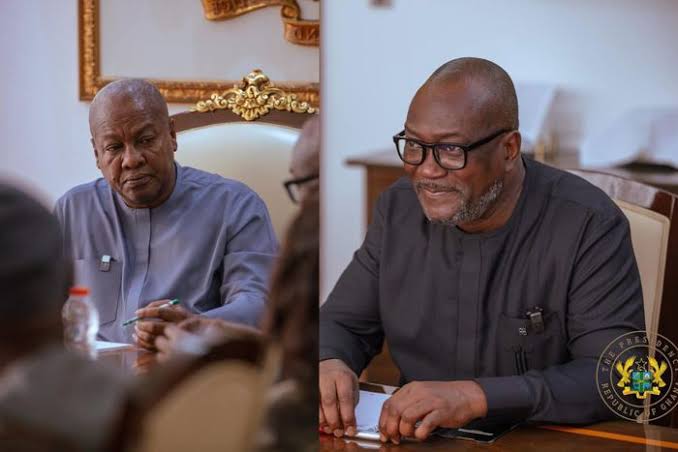
Let us be honest about what the Government’s proposal means.
The President nominates five; a vetting committee considers those five; three are shortlisted, then, those three become the candidates, before citizens vote.
At first glance, this looks democratic, but the problem is deeper.
The electorate does not determine the pool of candidates: The President does !
That gives the Presidency enormous influence over the electoral process before citizens even get the opportunity to vote.
And this is precisely the problem that elected MMDCEs were supposed to solve.
The purpose of electing MMDCEs is not merely to introduce a ballot box into the appointment process, it is to transfer democratic legitimacy and accountability from the President to the people at the local level.
If the President continues to determine who is eligible to contest, we have not meaningfully removed presidential control; We have merely changed the procedure.
There is another problem that deserves serious consideration.
Under the current system, the President appoints one person as MMDCE, subject to the constitutional process.
We have criticised this system because it concentrates too much appointment power in the Presidency.
Yet under the Government’s proposed model, the President would nominate five people for one MMDCE position, from which three would eventually contest.
This means that instead of reducing presidential influence, the proposal arguably gives the President an even more significant role at the beginning of the process.
That is difficult to reconcile with the fundamental objective of decentralisation.
We cannot claim to be decentralizing political power while simultaneously giving the center the power to determine who can compete for local executive office.
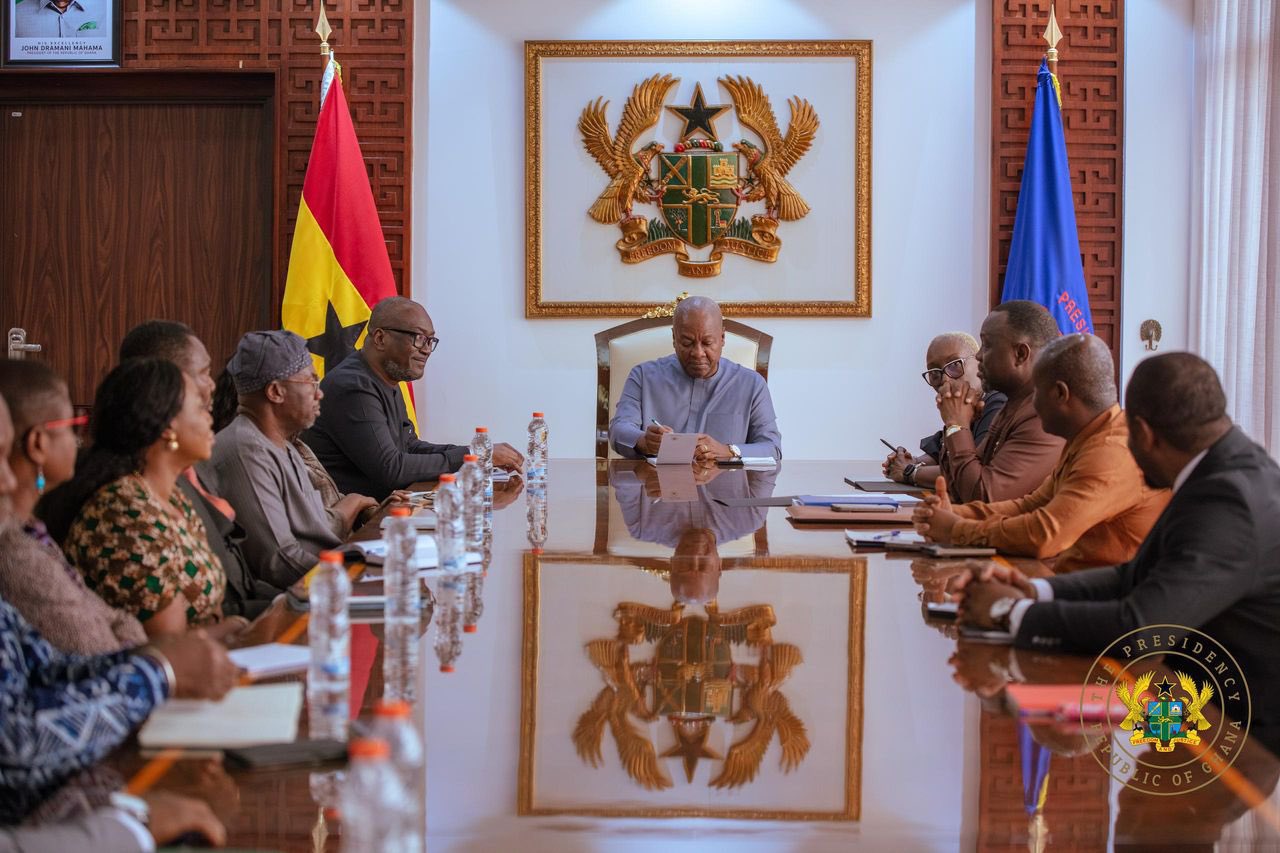
The argument for elected MMDCEs is fundamentally about accountability.
A presidential appointee ultimately knows where his or her authority comes from.
It comes from the President, which inevitably creates a chain of accountability:
MMDCE → President → Central Government.
But decentralization should create a different relationship: MMDCE → Local electorate.
The person responsible for development in a district should understand that their political survival depends on the people living in that district.
If roads deteriorate, citizens should be able to demand answers.
Should sanitation collapses, citizens should demand answers.
If local economic development stagnates, citizens should demand answers.
Should public resources are mismanaged, citizens should demand answers.
And if the MMDCE fails, citizens should have the ultimate democratic mechanism available to them: Vote them out. THAT IS ACCOUNTABILITY
There is a danger that Ghana may celebrate the introduction of MMDCE elections without asking whether those elections actually transfer power to citizens.
An election where citizens can only choose among candidates preselected by the President is fundamentally different from an election where qualified citizens have an open and fair opportunity to contest.
Democracy should not merely ask: “Who do you want among these three?”
It should first ask: “Who do you believe is qualified to lead your district?”
Those are two very different questions.
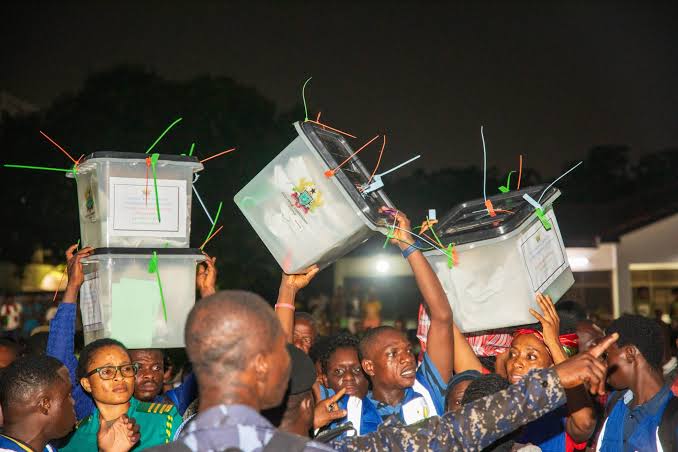
One argument that could be made in favour of the Government’s proposal is that MMDCEs control significant public resources and therefore there must be mechanisms to ensure that candidates possess the necessary competence.
That concern is legitimate.
But presidential nomination is not the only way to guarantee competence.
The Constitution can establish clear qualification requirements.
The Constitutional Review Commission (CRC) itself has proposed qualifications for DCE candidates, including degree or professional qualifications combined with substantial post-qualification and leadership experience, with alternative pathways for candidates with significant business or community development experience.
That is the better approach:
-Set the standards, Vet qualifications, Require financial disclosure, Apply integrity requirements; Then allow the people to choose.
Do not allow the President to choose the candidates and then ask citizens to choose among them.
Ghana’s development problem is not exclusively a national problem; It is profoundly local.
The road in your community is local; the sanitation problem in your community is local; the market you depend on is local; the drainage system threatening your home is local; the local school, health facility and economic infrastructure are also local.
This is why effective decentralization matters.
The CRC itself frames decentralization as a development issue and proposes a Devolution Commission to help ensure that Ghana’s decentralization system becomes more development-oriented, properly resourced and professionally managed.
If we get local governance right, we can take enormous pressure off the central government.
Accra should not have to determine everything happening in every district.
The central government should establish national development policies through the National Development Planning Commission and provide resources. Whiles, local authorities have the legitimacy, capacity and accountability to deliver.

The 2019 MMDCE debate became trapped in the question of partisanship.
That debate consumed the reform.
This time, Ghana must separate the two issues.
We can have elected MMDCEs without partisan elections.
The CRC itself makes that recommendation.
In fact, the Committee expressly argues that non-partisan local elections allow communities to focus on development rather than national party competition.
This is the opportunity to finally build a local governance system that is genuinely different from national politics.
We should not waste it.
The Government deserves credit for accepting the principle that MMDCEs should be elected.
That is a significant step.
But accepting elections should not mean accepting controlled elections.
The Government’s proposal should therefore be reconsidered before it becomes constitutional text.
The President should not nominate the candidates.
Instead:
This would create genuine local accountability.
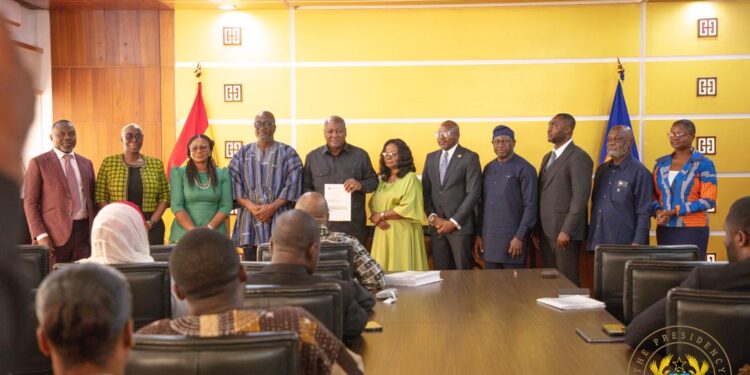
We cannot continue to describe Ghana as a decentralized democracy while local executive leadership remains fundamentally dependent on presidential appointment.
And we certainly should not create an arrangement where the President selects several candidates and citizens simply choose one of them.
That is not the decentralization we need.
The purpose of decentralization is to move power closer to the people.
Power cannot be said to have moved closer to the people if the center still determines who can compete for it: The people must be trusted.
If we believe Ghanaians are competent enough to elect a President, Members of Parliament and Assembly Members, then we must also trust them to choose the person who will lead development in their own district.
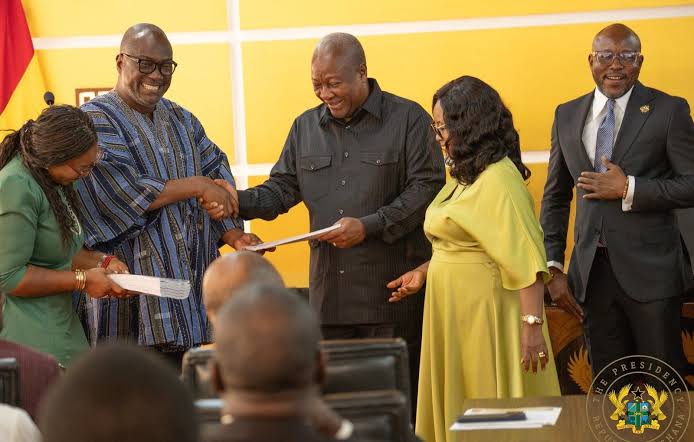
The Constitutional Review Committee has done Ghana an enormous service by reopening the conversation about local governance.
Professor H. Kwasi Prempeh and his Committee deserve recognition for placing decentralization and local accountability firmly within the constitutional reform agenda.
The Government has also taken an important step by accepting the principle of elected MMDCEs.
But the work is not finished.
The question is no longer whether MMDCEs should be elected.
The question is HOW?
And the answer must not be another form of presidential appointment disguised as an election.
Those of us who have consistently argued for elected MMDCEs did not ask for the President to select candidates for the people.
We asked for the people to choose their leaders, we demanded local accountability and genuine decentralization. We asked for citizens to have the power to reward good leadership and remove bad leadership.
This desire, requires an election in which the people, not the President, determines who gets to lead.
Ghana has waited long enough.
Let us not finally give citizens the right to vote only to deny them the right to choose !!!
