Head Office
No. 8 Klunye Adjele Street
East Legon, Accra – Ghana

No. 8 Klunye Adjele Street
East Legon, Accra – Ghana
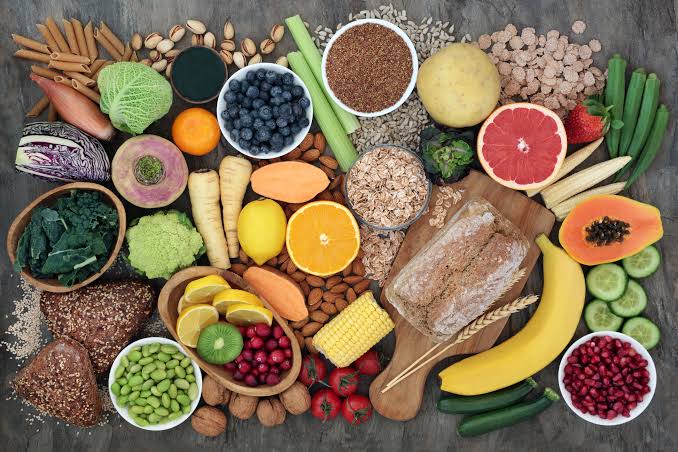
Africa must begin to have a serious conversation about food, lifestyle and health.
For generations, our relationship with food was closely connected to the land. Our ancestors grew much of what they ate, prepared meals from locally available ingredients and lived lifestyles that naturally demanded physical activity.
They walked, farmed, carried, harvested, cooked and moved.
Their strength was not simply a product of what they ate. It was also shaped by how they lived.
Today, that rhythm has changed dramatically.
Urbanization, changing lifestyles and the increasing availability of highly processed foods have transformed what many Africans eat and how we live. The World Health Organization has identified changing food systems, urbanization and lifestyle changes as important drivers of dietary shifts towards foods higher in unhealthy fats, free sugars and salt.
The question we must therefore ask is simple:
In our pursuit of modernity, have we abandoned some of the habits that once protected our health?
From the late 1990s into the 2000s, fast foods, fried rice, pizza, sugary drinks and refined carbohydrates increasingly became associated with class, convenience and modernity.
Food itself began to communicate social status.
A meal prepared from local ingredients could be viewed as ordinary or old-fashioned, while imported or highly processed food was sometimes regarded as sophisticated.
Farming was increasingly associated with hardship.
Walking was seen as something people did because they could not afford transportation.
Traditional foods were sometimes dismissed as food for people who could not afford “better” alternatives.
Somewhere along the way, we began to confuse modernity with health.
That was a mistake.
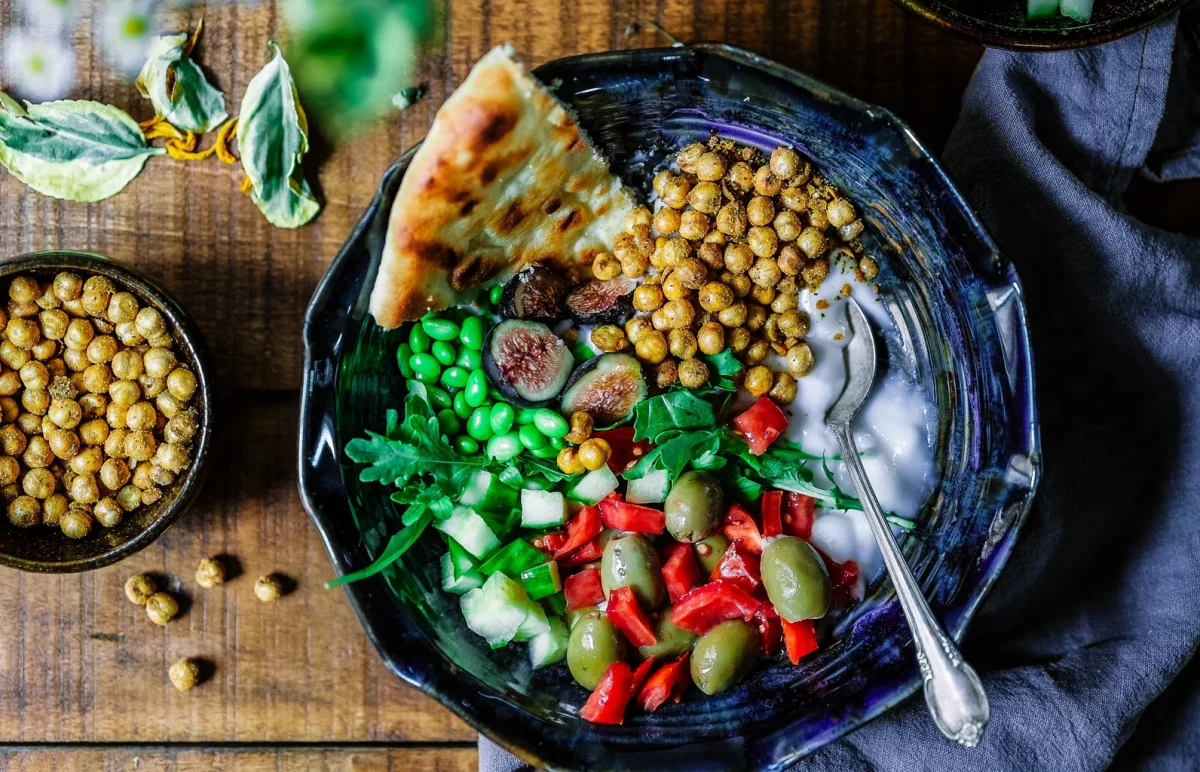
Poverty is not going to your garden.
It is not eating kontomire, sweet potatoes, legumes, fruits or farming. It is not preparing fresh food from ingredients grown within our communities.
The deeper poverty is being poor in health.
A person can drive a luxury car and still be sick in the body. One can live in an expensive house and still struggle with preventable health problems, or can wear designer clothes and still lack the physical strength and longevity required to enjoy life.
True wealth must include health.
One of the greatest dangers of unhealthy dietary change is that its consequences are not always immediately visible.
A person may feel perfectly healthy while unhealthy dietary patterns gradually contribute to metabolic problems.
High blood glucose, overweight and obesity, hypertension and other metabolic risk factors are increasingly important public-health concerns in Ghana. Ghana’s 2023 STEPS survey reported raised blood glucose among adults aged 18–69 and identified unhealthy diets and physical inactivity among the country’s significant NCD risk factors.
This is why the conversation about food must move beyond appearance.
It is not simply about whether someone looks overweight.
It is about what is happening inside the body.
Modern medicine has an essential place in society.
Hospitals, doctors, medicines and medical technology all matters.
However, a health system cannot sustainably treat its way out of every preventable problem.
Prevention must become a greater part of the conversation.
The healthier choices we make before illness develops can influence the health challenges we face later in life. WHO identifies healthy diets as an important protection against malnutrition and diet-related noncommunicable diseases, including diabetes, cardiovascular disease and some cancers.
Prevention is therefore not a rejection of medicine.
Prevention is part of good health.
Our ancestors did not necessarily have gyms.
They did not have expensive fitness equipment or need fitness influencers to remind them to move.
Life itself demanded movement: People walked to farms, markets and carried goods. They worked with their hands and travelled on foot over considerable distances.
Modern life has removed much of that natural movement.
Now, we drive when we could walk, sit when we could move, spend hours behind screens, work from chairs and spend our leisure time sitting.
The result is a lifestyle in which physical inactivity can become normal.
Returning to healthier living does not necessarily require expensive gym memberships.
Walking is accessible to many people.
Household gardening can involve movement.
Farming involves physical activity.
Taking the stairs, walking short distances and deliberately reducing sedentary time can all contribute to a more active lifestyle.
The goal is not to romanticise the past.
It is to recover the useful habits that modern life has caused us to abandon.
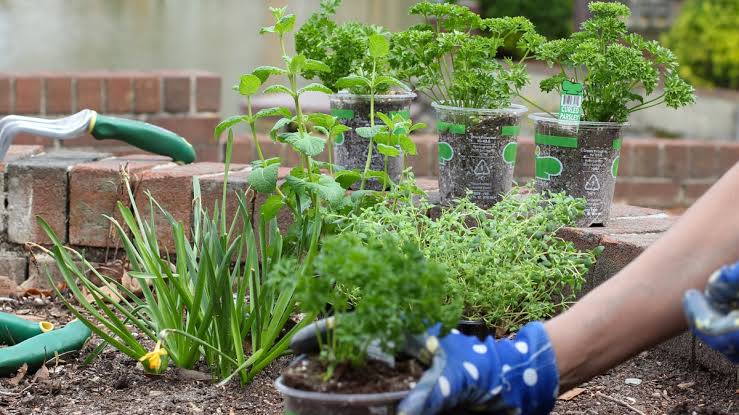
There is something powerful about growing your own food.
A garden reconnects us with the land; it teaches patience, discipline, responsibility and most importantly, it changes our relationship with food.
When we grow vegetables, fruits, herbs or other crops ourselves, we become more conscious of what enters our kitchens.
This does not mean every African must become a full-time farmer. It means we should stop treating food production as something disconnected from ordinary life.
Food security and public health are closely connected.
A society that depends heavily on imported and highly processed foods becomes vulnerable not only economically but also nutritionally.
Supporting local agriculture can therefore serve several purposes at once.
For instance:
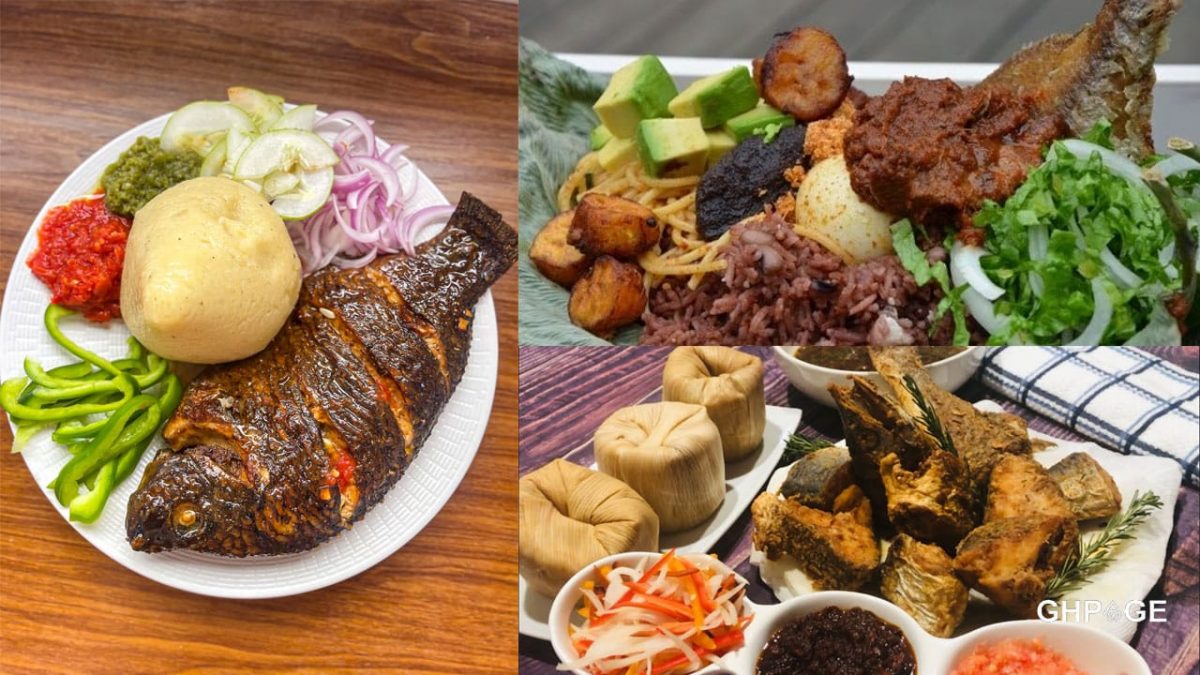
Africa possesses an extraordinary diversity of foods; Vegetables, legumes, tubers, fruits whole grains, fish, nuts and seeds.
Many traditional diets were built around combinations of these foods.
The problem is not that African food is inherently unhealthy, rather, it’s that our dietary patterns are changing.
WHO recommends diverse diets that include vegetables, fruits, legumes and whole grains, while limiting foods high in unhealthy fats, free sugars and sodium.
This is not an argument for abandoning every modern food.
It is an argument for balance.
We must teach our children that local food is not inferior.
Kontomire is not inferior because it is local.
Sweet potatoes are not inferior because they are traditional.
Beans are not inferior because they are inexpensive.
Fruits are not inferior because they grow around us.
The fact that something is affordable does not make it unhealthy.
Sometimes, the foods we overlook because they appear ordinary may be among the most valuable foods available to us.

Modern food systems have made eating more convenient.
That convenience has benefits.
But convenience can also come at a cost when highly processed foods become a dominant part of the diet.
Many highly processed foods contain significant amounts of free sugars, unhealthy fats or sodium. WHO notes that diets high in these components are associated with negative health outcomes.
The answer is not necessarily to eliminate every processed food.
It is to become more conscious of what we consume, how frequently we consume it and how much of our diet comes from minimally processed or fresh foods.
Sugary drinks deserve particular attention.
They can make it easy to consume substantial amounts of free sugar without feeling that we have eaten much at all.
Water should not become the forgotten drink in a society surrounded by brightly packaged alternatives.
Fresh fruits can also provide nutrients and fibre that many sweetened products do not.
The objective should be simple: Less sugar. More awareness. Better choices.

The habits we establish in childhood often follow us into adulthood.
That makes parents, schools and communities important partners in building healthier generations.
Children should learn that food is not merely entertainment.
Food is nourishment, it is part of health and culture; it is connected to agriculture, community and national development.
WHO also emphazises that dietary behaviours established during childhood and adolescence can extend into adulthood.
We should not raise children to believe that success means consuming more expensive food.
Nor should we teach them that imported automatically means superior.
We should teach them that strength, discipline, health and longevity are forms of wealth.
A healthier child becomes a healthier adult, whiles a healthier adult becomes a more productive worker, parent, entrepreneur and citizen.
Public health therefore begins much earlier than the hospital.
A return to the roots is not a rejection of modernity. It is not an argument against hospitals, doctors, scientific medicine. Also, it is not an invitation to abandon evidence-based treatment.
Modern medicine has its place.
The goal is to combine the benefits of modern healthcare with the wisdom of healthier lifestyles.
We should be able to embrace technological progress without abandoning the habits that protect our bodies.
That is the balance Africa needs.

For too long, health conversations have often focused on what happens after illness develops.
We need to ask a different question:
What can we do before people become sick?
That means encouraging healthier food environments.
It means making physical activity easier, improving nutrition education, supporting local food production, helping families understand the relationship between diet, inactivity and long-term health and also means recognizing that public health cannot be left entirely to hospitals.
The WHO has noted that Ghana’s growing NCD burden requires prevention efforts involving healthy diets and physical activity, alongside broader policy measures.
Prevention must become a national development priority.
The greatest change we need may not begin in our kitchens.
It may begin in our minds.
We must stop believing that traditional automatically means backward, or imported automatically means superior. We must also stop measuring prosperity only by what we can afford to consume.
Actually, we must begin measuring prosperity by the quality and length of the lives we are able to live.
A person who is physically strong, mentally disciplined and capable of living a productive life possesses a form of wealth that no luxury vehicle can replace.
This is the mindset we need to recover.
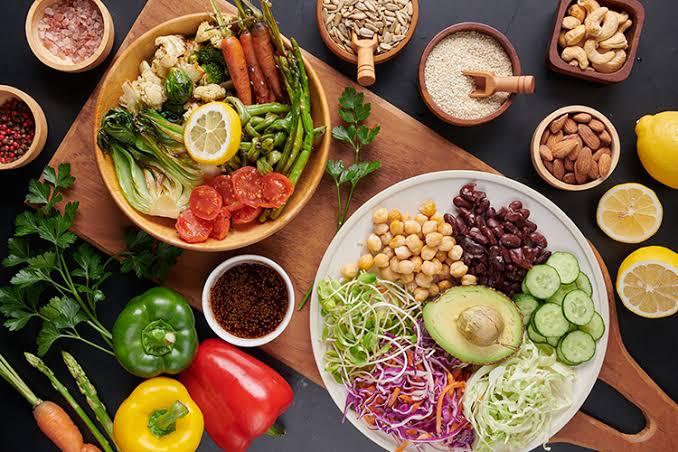
Africa does not need to reject progress; we need to redefine progress.
Progress should mean:
Our ancestors did not possess all the knowledge we have today. But they understood something modern society sometimes forgets: the body requires movement, the mind requires discipline and food should nourish rather than simply satisfy.
The answer is not to return blindly to the past.
It is to take the wisdom that still serves us and carry it intelligently into the future.
Africa’s health future will not be secured by hospitals alone. It will also be shaped by what we grow, what we cook, what we eat, how much we move and what we teach the next generation.
The journey back to better health may therefore begin with remarkably simple choices:
Because a healthier Africa begins with a healthier mindset—and sometimes, the wisest path forward is to return to the roots.
