Head Office
No. 8 Klunye Adjele Street
East Legon, Accra – Ghana

No. 8 Klunye Adjele Street
East Legon, Accra – Ghana
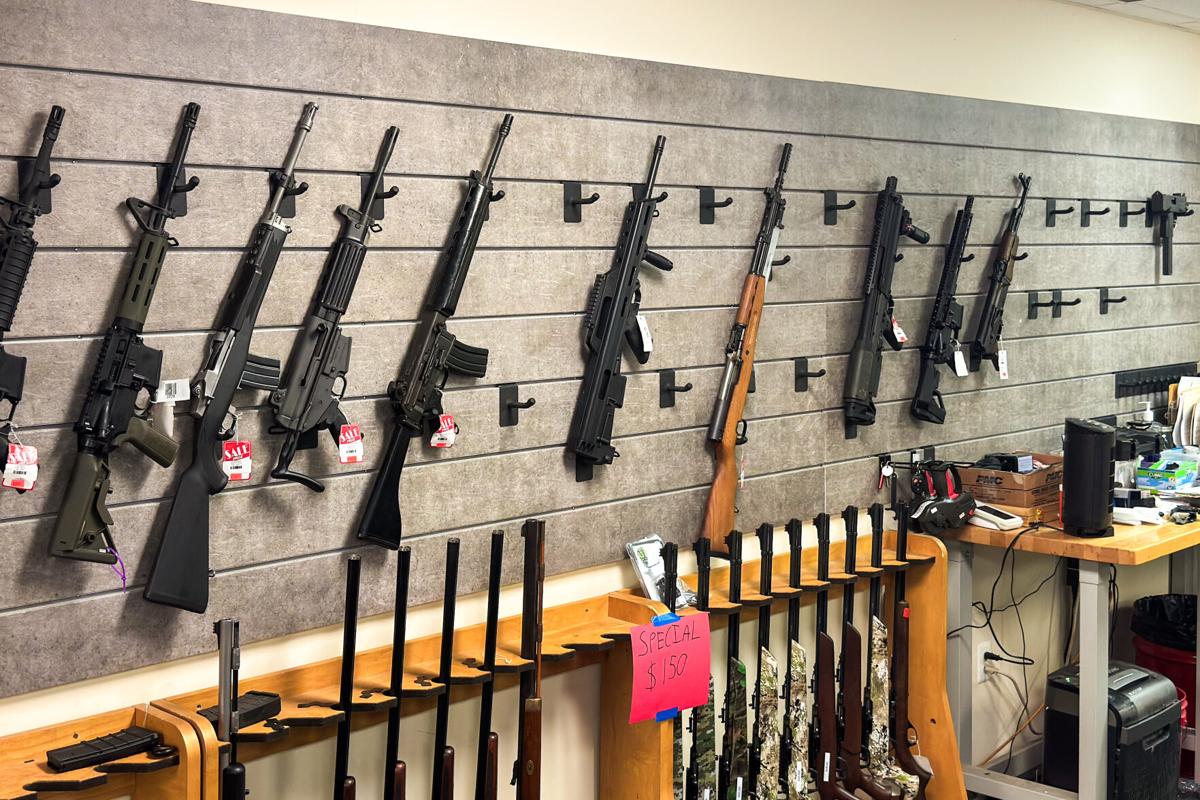
The future of civilian firearm ownership in Ghana is becoming an increasingly important public policy and national security issue. As Ghana’s security landscape evolves, the country must carefully balance the constitutional rights of responsible firearm owners with the need to protect public safety and strengthen national security.
For decades, Ghana has earned a reputation as one of West Africa’s most peaceful democracies. Political stability, religious tolerance, resilient democratic institutions, and strong community values have distinguished the country as a beacon of peace within a region that has, at times, grappled with instability and conflict.
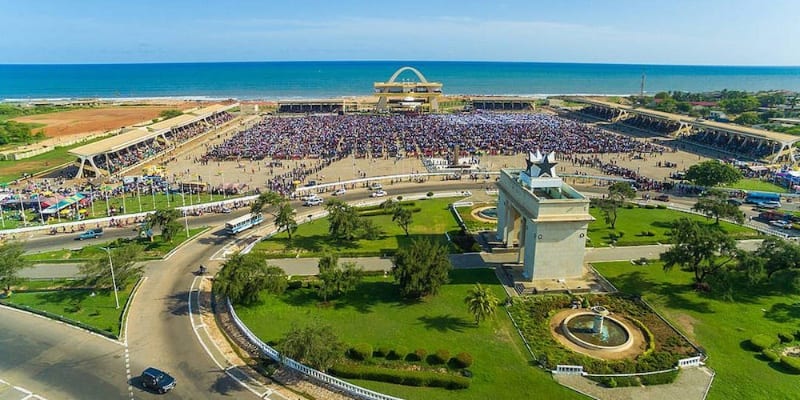
Yet history teaches us an important lesson: peace is not a permanent condition. It is a national asset that must be protected through foresight, effective governance, and continuous adaptation to emerging threats.
Across the world, security environments are changing at an unprecedented pace. Criminal organisations have become increasingly sophisticated. Illicit trafficking networks now operate across national borders with greater coordination. Digital technologies have transformed how crimes are planned and executed, while the illegal movement of small arms continues to threaten public safety in many regions.
Ghana is not insulated from these realities.
Although the country remains comparatively safe, there is growing evidence that organised criminal activity, firearm-related offences, and cross-border security challenges are becoming more complex. These developments require policymakers to think beyond today’s realities and prepare for tomorrow’s risks.
It is within this context that Ghana must begin a thoughtful, evidence-based national conversation about the future of civilian firearm ownership.
This discussion should not be driven by fear, emotion, or political ideology. Neither should it begin with the assumption that civilian firearm ownership is inherently dangerous or that unrestricted access to firearms is desirable. Such extreme positions rarely produce effective public policy.
Instead, the central question should be both practical and forward-looking:
Does Ghana possess a firearm governance system capable of ensuring that firearms remain exclusively in the hands of responsible, law-abiding citizens while preventing their diversion into criminal activity?
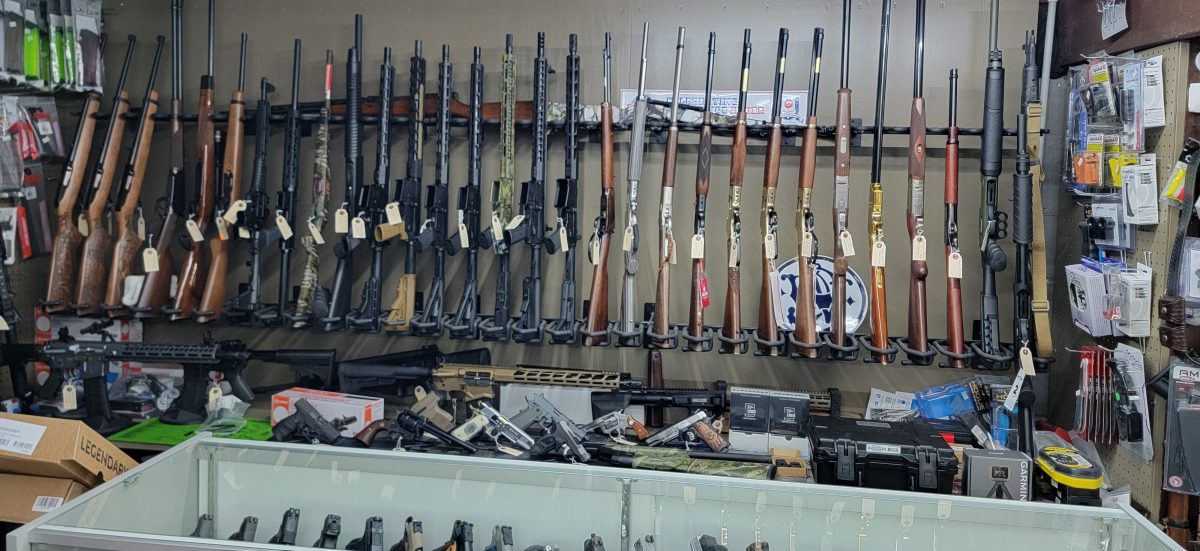
In my assessment, Ghana has established important legal and institutional foundations for regulating firearms. However, evolving security threats demand continuous reform. The future of firearm ownership should therefore be defined not simply by whether civilians may own firearms, but by whether Ghana can build one of Africa’s most accountable, transparent, and effective firearm governance systems; one that protects constitutional rights while strengthening public safety and national security.
One of the greatest mistakes any peaceful nation can make is to assume that its security environment will remain unchanged.
Countries rarely transition from peace to insecurity overnight. Instead, change often occurs gradually, almost imperceptibly. Criminal methods evolve. Illegal markets expand. Organised networks become more sophisticated. New technologies create opportunities for both legitimate enterprise and criminal exploitation. By the time these changes become visible to the general public, they are often well established.
Ghana’s own experience reflects this gradual evolution.
Following the return to constitutional rule in 1992, the country experienced relatively low levels of organised violent crime. Across many communities during the 1990s, the offences most frequently encountered by ordinary citizens involved property-related crimes such as burglary, theft of livestock, farm produce, household items, and other forms of non-violent offending.
This is not to suggest that armed robbery was absent. Serious violent crimes certainly occurred. However, compared with today, access to sophisticated firearms was considerably more limited, and highly organised armed criminal groups were less prevalent.
As Ghana’s economy expanded during the late 1990s and early 2000s, rapid urbanisation, increased commercial activity, and greater regional mobility brought new economic opportunities. Unfortunately, these developments also created new opportunities for organised criminal enterprises.
Residential armed robberies became increasingly coordinated. Commercial establishments faced more sophisticated attacks. Criminal networks began operating across national borders with greater ease, while the value of targeted assets increased significantly.
Perhaps most concerning was the gradual increase in the availability and circulation of firearms.
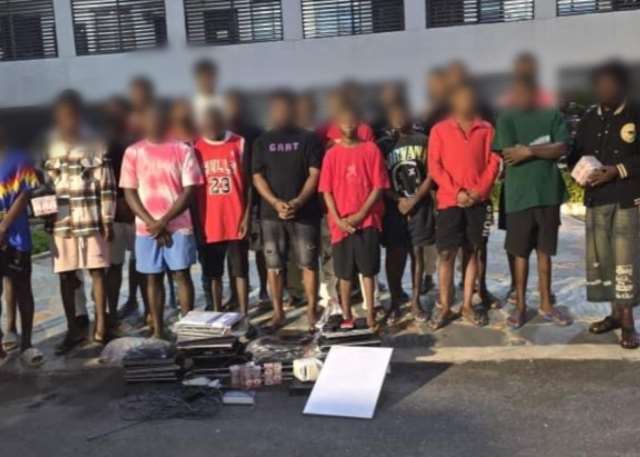
Today, certain criminal groups involved in armed robbery demonstrate levels of planning, mobility, intelligence gathering, and operational coordination that were relatively uncommon three decades ago. This transformation mirrors broader security trends across West Africa, where illicit trafficking networks, transnational organised crime, and the proliferation of small arms continue to challenge governments and security agencies.
These developments do not suggest that Ghana is becoming an unsafe country. Rather, they demonstrate that the country’s security environment is becoming more complex and therefore requires equally sophisticated policy responses.
Security policy should always be proactive rather than reactive. Waiting until threats become widespread before implementing reforms often proves more costly than addressing emerging risks early.
Public discussions about firearms frequently become polarised. One side argues that civilian firearm ownership should be significantly restricted or even eliminated. The other maintains that responsible citizens should enjoy broader access to firearms for self-defence, sporting activities, hunting, or occupational purposes.
In reality, neither position fully captures the complexity of the issue.
Responsible firearm owners are not criminals.
Licensed hunters are not criminals.
Professional security personnel who lawfully possess firearms are not criminals.
Nor should citizens who legally obtain firearms for legitimate purposes automatically be viewed with suspicion.
Indeed, many democratic societies recognise that carefully regulated civilian firearm ownership can coexist with strong public safety frameworks. What distinguishes successful firearm governance is not the mere existence of civilian ownership but the quality of the legal, administrative, and enforcement systems that regulate it.
The challenge, therefore, is not ownership itself; it is governance, it is accountability.
The challenge is ensuring that every firearm licence represents not a permanent entitlement, but an ongoing public trust.
A firearm licence should never be regarded as a lifetime privilege requiring minimal oversight. Rather, it should signify a continuing relationship between the licence holder and the State—one that demands regular renewal, continuous compliance with legal requirements, responsible conduct, and swift administrative action whenever standards are breached.
This distinction is fundamental.
A mature firearm governance system is not measured solely by how many licences it issues or denies.
It is measured by its ability to ensure that firearms remain securely in the possession of responsible individuals while preventing diversion into criminal misuse.
That objective should form the cornerstone of Ghana’s future firearm policy.
