Head Office
No. 8 Klunye Adjele Street
East Legon, Accra – Ghana

No. 8 Klunye Adjele Street
East Legon, Accra – Ghana
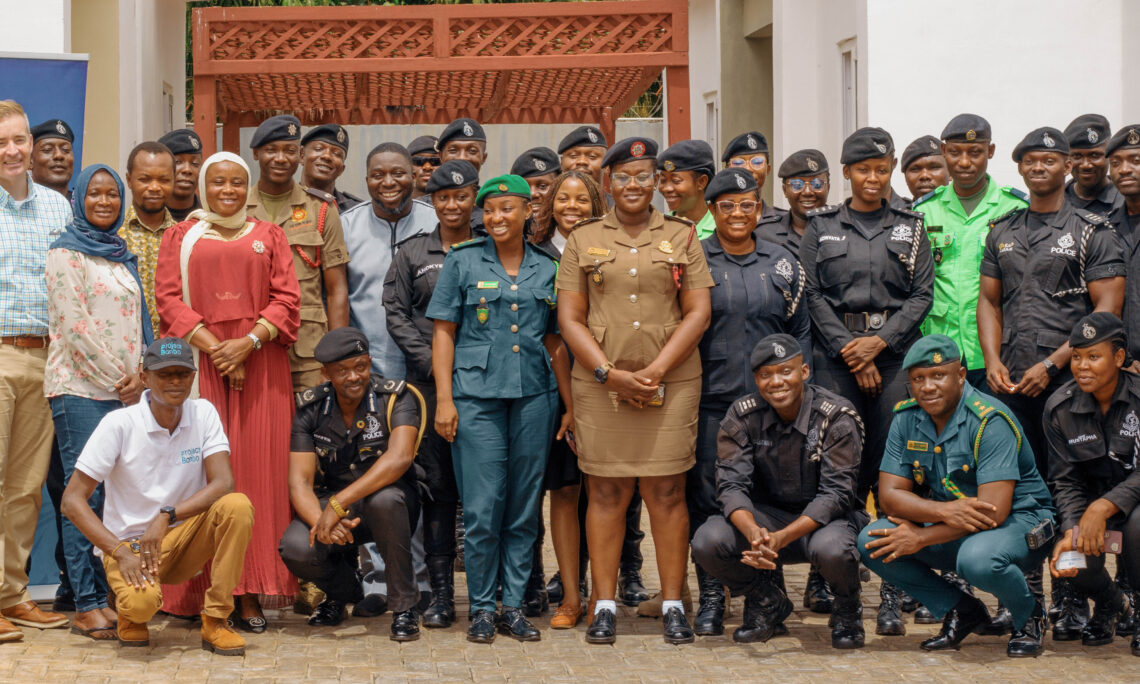
As the world marked International Workers’ Day, it is time for an honest and uncomfortable conversation about the reality of the Ghanaian worker. Behind the statistics, beyond the policy speeches, and beneath the surface of economic “progress,” lies a workforce that is overworked, underpaid, and increasingly exhausted. This is not just an economic issue, it is a human crisis.
In Ghana, many employees work tirelessly, yet their earnings barely meet basic living standards.
The minimum wage remains unhealthy and disconnected from reality, failing to reflect the rising cost of food, transportation expenses and rent and utility bills.
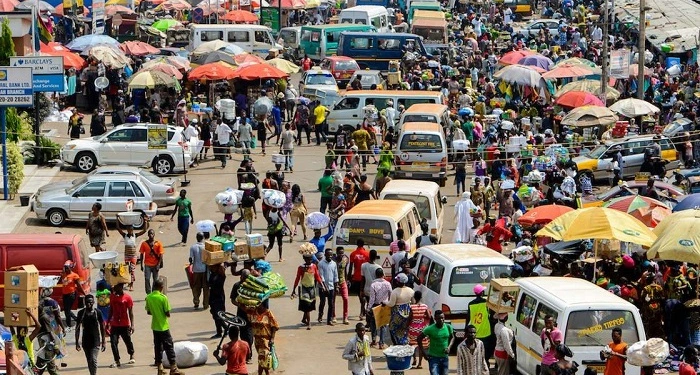
For many people, a single job is no longer enough. Survival now as a Ghanaian employee depends on engaging in multiple side gigs, weekend hustles and late-night work. It turns out that, this is not ambition; it is economic desperation.

The sad reality of the the daily routine of the average low- to middle-income Ghanaian worker is draining, spanning from; long hours navigating traffic just to get to work, late arrivals leading to stress and job insecurity, exhausting commutes back home and little to no time for rest.
Additionally, some go further combining work with: various stages of further studies undertaking it during evening modules, weekend modules and also engaging additional professional development all in a bid to climb a ladder that feels increasingly out of reach.
Interestingly, this is not productivity, this is survival under pressure.
Unfortunately, the long-term impact of this lifestyle is unhealthy. Workers engaged in such activities end up being physically exhausted, mentally drained and increasingly vulnerable to burnout with illness.
A system that forces people to juggle four or five income streams is not efficient, it is destructive.
Gradually, Ghana is wearing down its own workforce, sacrificing long-term productivity for short-term survival.
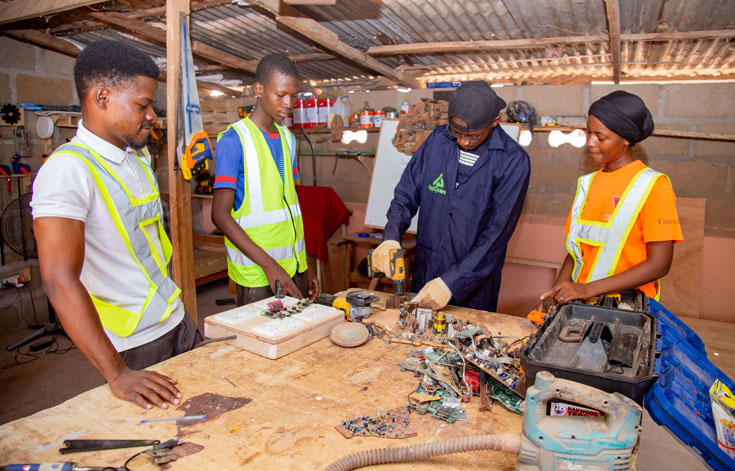
Contrarily, while ordinary workers struggle to survive, there is a growing perception of widening inequality particularly in politics in Ghana now, it is not uncommon to witness individuals transition into politics and, within a short period, accumulate: multiple properties, significant wealth and engaging a lifestyle far removed from the average citizen
This contrast raises difficult questions about: fairness, opportunity and the integrity of economic systems
When hard work does not translate into progress, and political access appears more rewarding than productivity, the system begins to lose legitimacy.
For many workers, rent and utility bills alone consume the majority of their income.
What remains is stretched across, transportation, food and family responsibilities. There is absolutely little room for: savings, investment or personal development.
This creates a cycle where: The poor remain trapped in poverty not for lack of effort, but because the system is structured against them.
The Africa Initiative Impact Platform is calling for urgent attention to the welfare of Ghanaian workers.
This moment demands more than recognition; it requires action.
Key priorities must include:
It is worth noting that, the Ghanaian worker is not asking for luxury only but for dignity, fairness, and the ability to live a decent life from honest work.
As International Workers’ Day is observed, the question must be asked:
What are we truly celebrating; work or survival?
If Ghana is serious about development, then it must begin by valuing its workforce not just in words, but in policies and action.
Because a nation that exhausts its workers today risks weakening its future tomorrow.
