Head Office
No. 8 Klunye Adjele Street
East Legon, Accra – Ghana
No. 8 Klunye Adjele Street
East Legon, Accra – Ghana
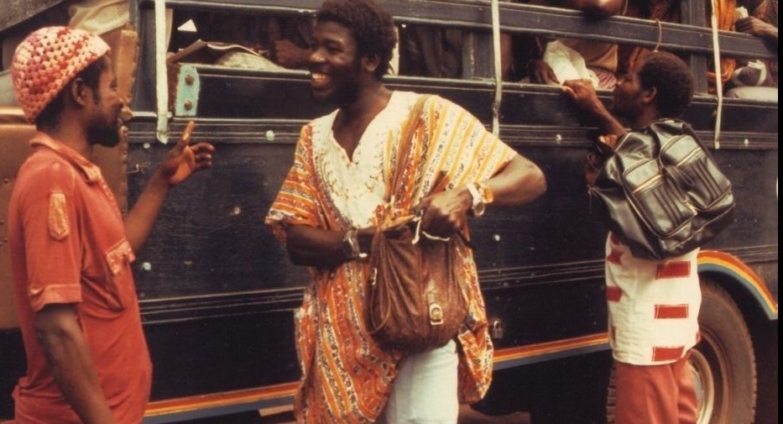
During the 1980s and throughout the 1990s, Ghana’s movie industry stood as one of the most vibrant and influential creative sectors in West Africa. It was a golden era marked by discipline, originality, and a deep commitment to storytelling. Ghanaian cinema was not only thriving domestically but also shaping cultural conversations across the continent.
Films produced during this period carried powerful narratives rooted in tradition, morality, and social reality. They explored themes of family, leadership, justice, and identity—resonating deeply with audiences. Cinema was more than entertainment; it was a reflection of society and a vehicle for cultural preservation.
This momentum extended into the early 2000s, when the industry continued to expand in both scale and influence. Production houses were active, storytelling remained compelling, and actors commanded widespread respect.
Performers such as Grace Omaboe, David Dontoh, Eddie Nartey, Jackie Appiah, Majid Michel, and Van Vicker became defining figures of a generation. Their performances, supported by strong scripts and passionate directing, elevated Ghanaian films into respected cultural exports.
Across West Africa and beyond, Ghanaian movies were widely consumed and admired. In many homes, they set the standard for storytelling and artistic expression, reinforcing Ghana’s position as a cultural leader within the region.

By the mid-2000s, the trajectory of the industry began to shift. What was once a unified and forward-moving creative ecosystem gradually lost its cohesion. The decline was not sudden, but steady—marked by weakening collaboration, reduced production consistency, and a fading collective vision.
Several factors contributed to this downturn. Among them, the increasing influence of politics within the creative space stands out. When political interests begin to shape artistic industries, meritocracy often gives way to favoritism, and long-term development is overshadowed by short-term control. In Ghana’s case, this dynamic contributed to fragmentation within the industry, limiting opportunities for collaboration and innovation.
Beyond political interference, structural weaknesses further weakened the industry. Piracy significantly eroded revenues, making it difficult for producers to reinvest in quality productions. Access to sustainable financing remained limited, while distribution systems failed to evolve alongside technological advancements.
As global media consumption shifted toward digital and on-demand platforms, the Ghanaian film industry struggled to adapt quickly enough. This lag in innovation reduced its competitiveness in an increasingly globalized entertainment landscape.
While Ghana’s industry slowed, Nigeria’s Nollywood expanded rapidly. Through consistent output, strong private-sector investment, and an aggressive distribution model, Nollywood captured both regional and international markets.
Its ability to produce high volumes of content, combined with early adoption of home video distribution and later streaming platforms, allowed it to dominate African cinema. In effect, Nollywood filled the gap left by Ghana’s decline, becoming the continent’s leading film powerhouse.
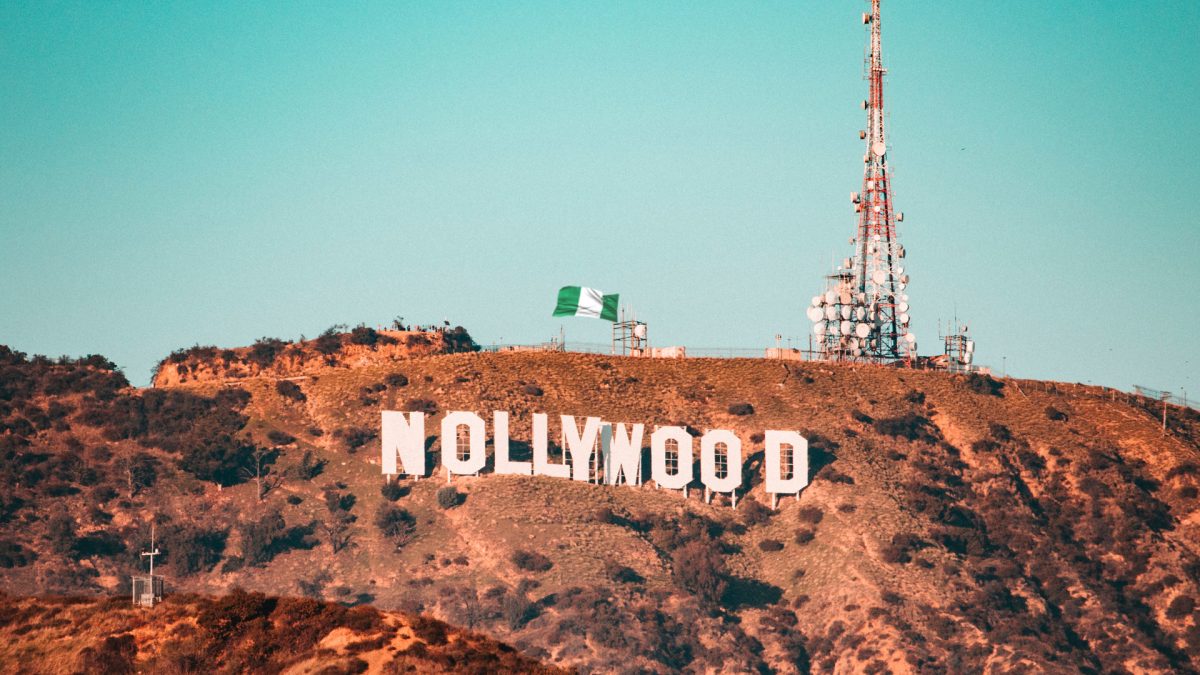
The consequences of this shift have been significant. Beyond the loss of cultural dominance, Ghana forfeited substantial economic opportunities—job creation, investment inflows, and global visibility.
The film industry, once a major contributor to national identity and soft power, now operates below its full potential. A sector that once united audiences and projected Ghana’s cultural voice across borders has lost much of its former influence.
Despite these challenges, the story of Ghana’s film industry is far from over. The country still possesses the talent, cultural richness, and creative capacity needed for revival.
A strategic reset is essential. This includes strengthening professionalism and ensuring merit-based opportunities within the industry. Sustainable financing models—supported by both public and private sectors—must be developed to empower filmmakers.
Equally important is the need to modernize distribution through partnerships with global streaming platforms, enabling Ghanaian content to reach wider audiences. Investment in training and capacity-building will also ensure that emerging filmmakers are equipped to compete on a global stage.
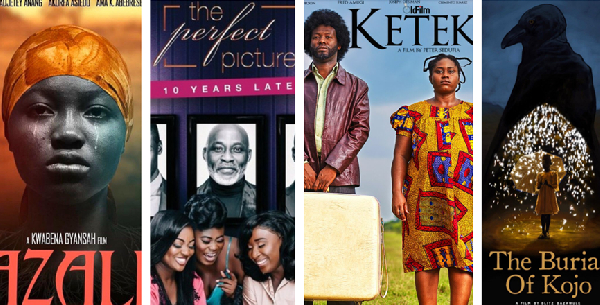
Ghana has done it before. The legacy of its film industry proves that excellence is not beyond reach—it is embedded in its history. The challenge now is not to reinvent the industry, but to realign it with the discipline, creativity, and vision that once made it a continental force.
With the right strategy, leadership, and commitment, Ghana can once again reclaim its place as a powerhouse of African storytelling.
