Head Office
No. 8 Klunye Adjele Street
East Legon, Accra – Ghana

No. 8 Klunye Adjele Street
East Legon, Accra – Ghana
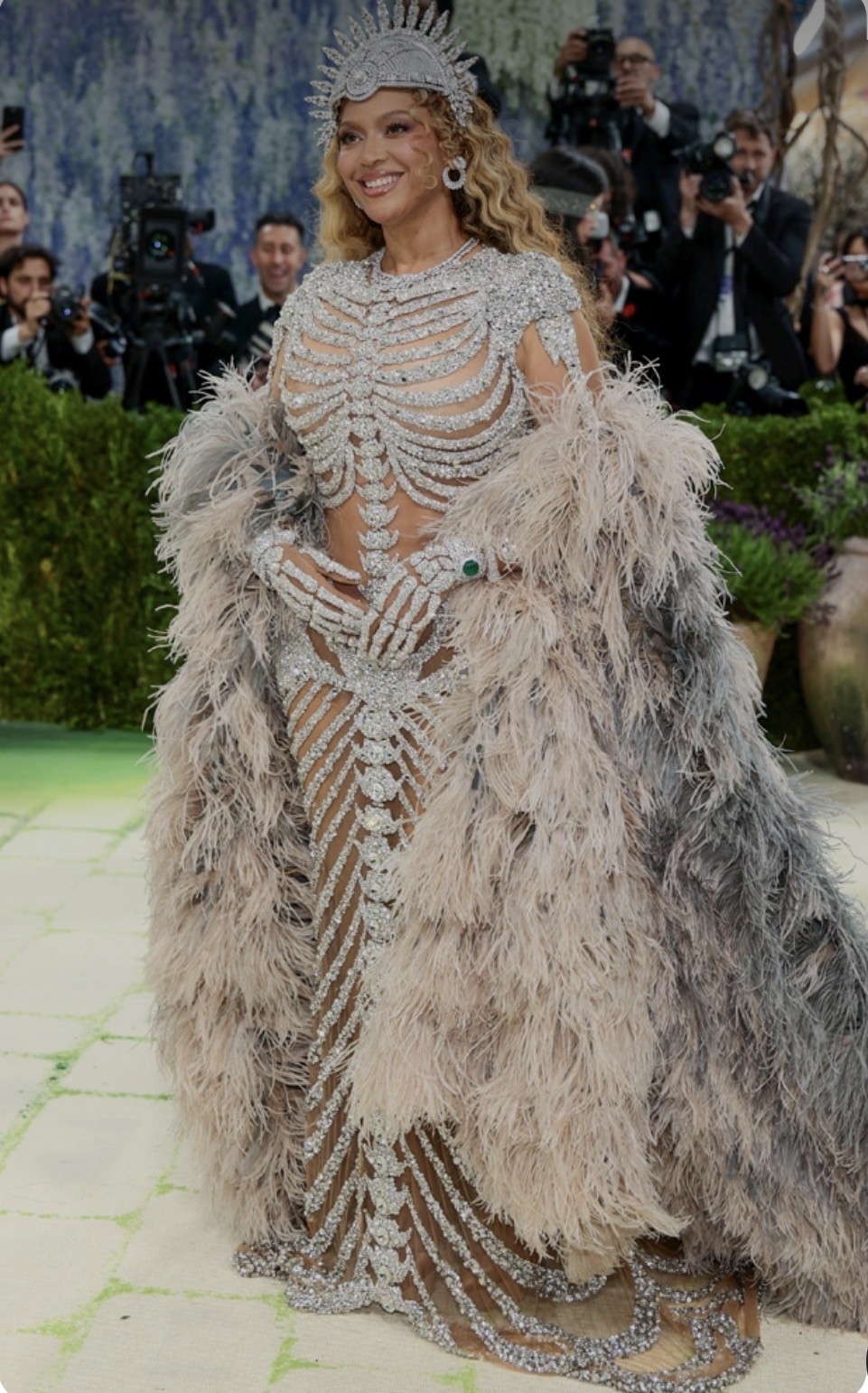
The Met Gala returned in 2026 as one of the most influential cultural events in fashion, once again bringing together celebrities, designers, and global attention on one stage.
This year, before a single outfit could even be fully processed, one thing was immediately clear — the traditional red carpet was replaced with a green-toned, garden-style carpet, signalling a visual and creative shift. It set the tone for a night that leaned heavily into transformation, artistry, and interpretation.
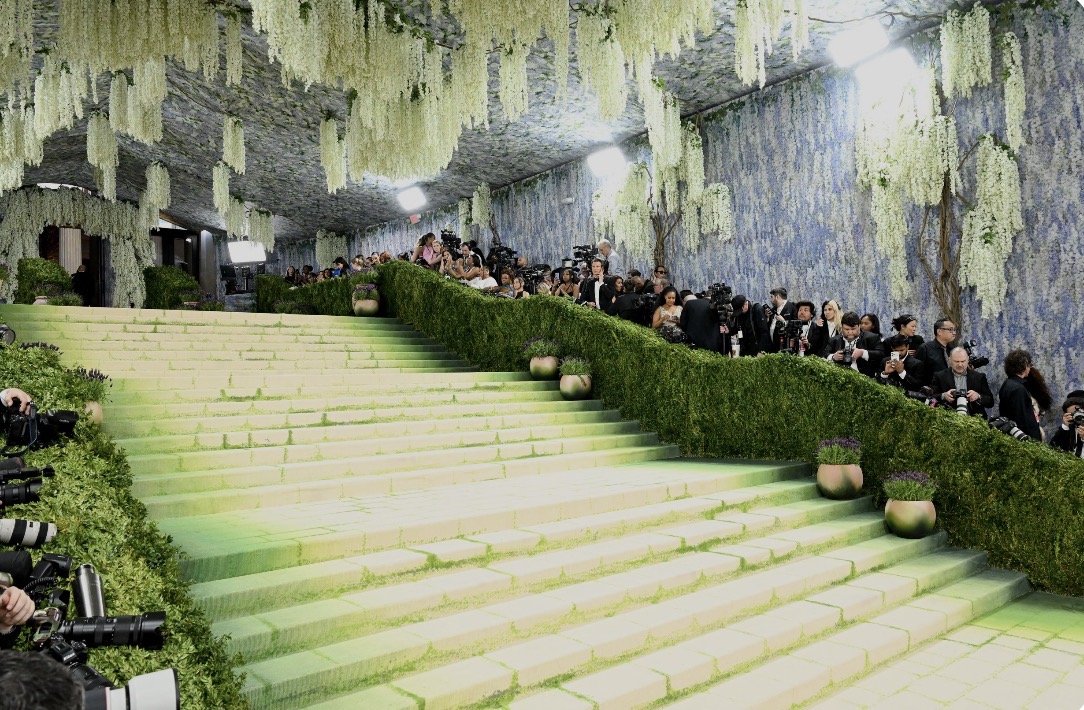
Image Credit: Vogue
Beyond the spectacle, the event also carried a deeper layer — legacy. With Anna Wintour still firmly in control, but industry conversations quietly circling around her eventual departure, the 2026 Met Gala felt like a moment being observed as much as it was being celebrated.
The Met Gala was established in 1948 by fashion publicist Eleanor Lambert as a fundraising event for the Costume Institute at the Metropolitan Museum of Art in New York.
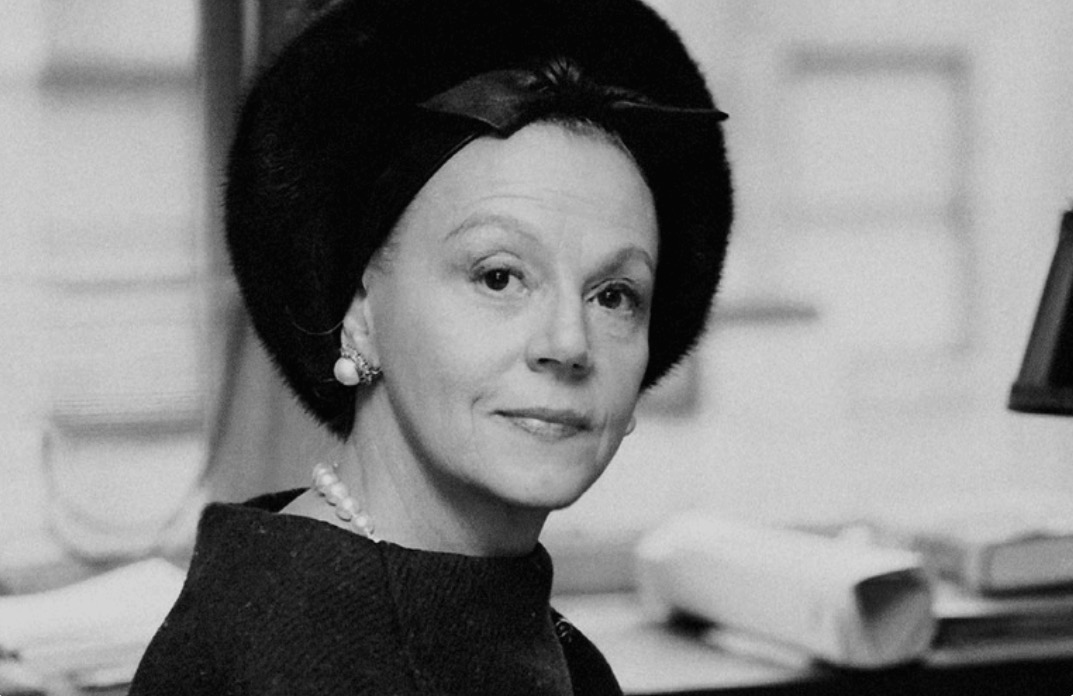
Image Credit: WQXR (Eleanor Lambert)
In its early years, it was a small, high-society dinner, far removed from the global attention it commands today. Guests attended in traditional evening wear, and the event remained within elite social circles.
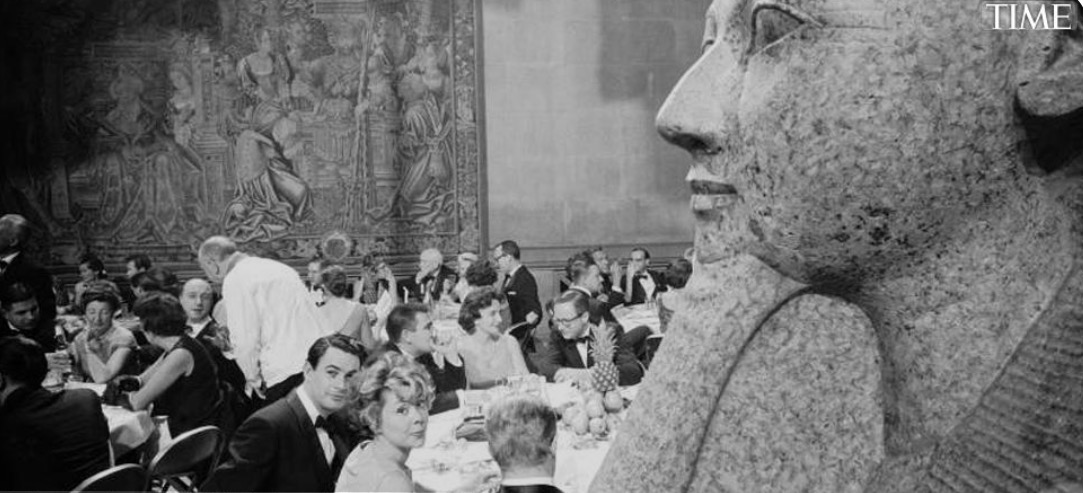
Image Credit: X.com (Elite Social Circles)
Over time, particularly from the 1970s onwards, the Gala evolved by aligning itself with themed exhibitions — laying the foundation for the concept-driven event we now see today.
Anna Wintour became chair of the Met Gala in 1995, and her influence is the reason the event holds its current global status.
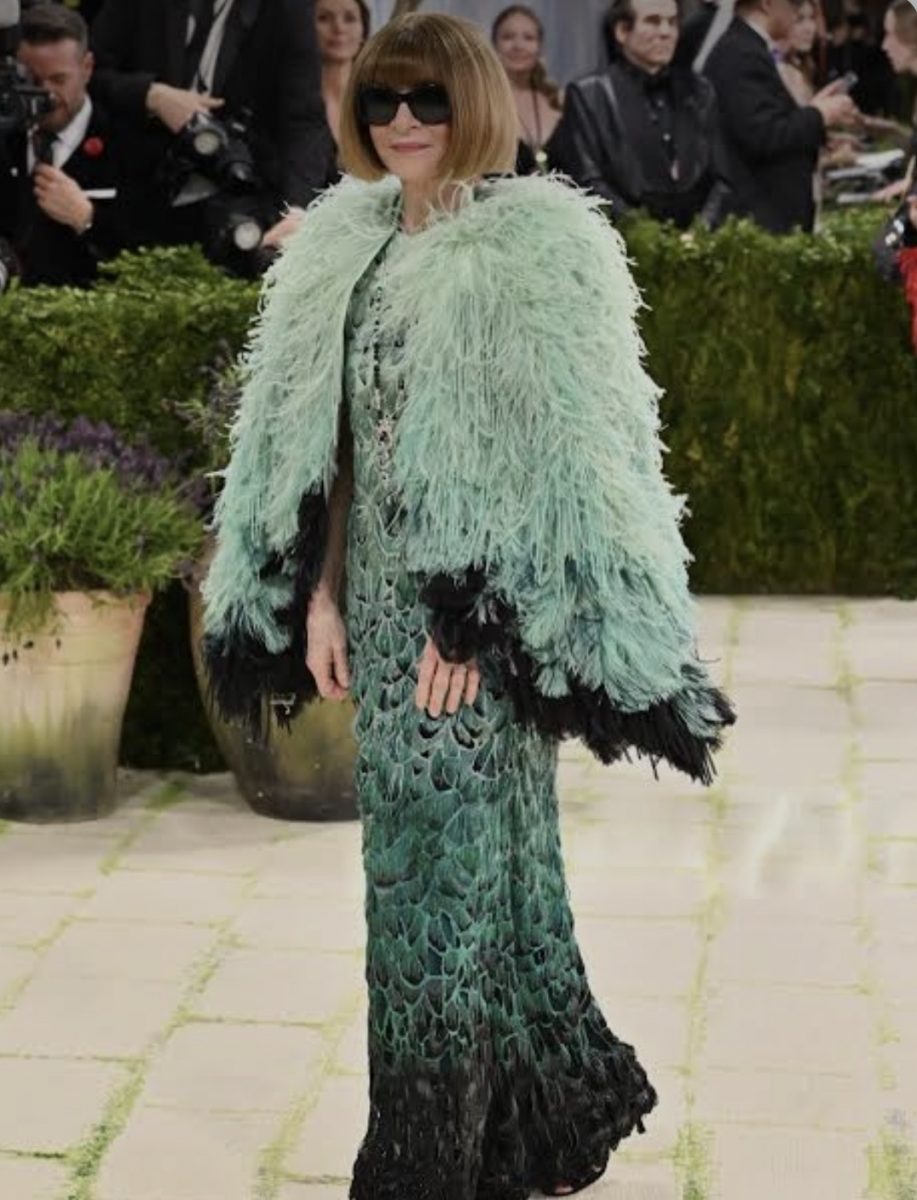
Image Credit: Instagram (Anna Wintour)
She transformed it into:
As of 2026, Anna Wintour has not stepped down. However, conversations within the fashion industry about succession are becoming louder, raising quiet questions about what the Met Gala could look like without her long-standing direction.
Themes are now central to the Met Gala’s identity.
Over the years, they have shaped both the exhibition and the red carpet, pushing fashion into storytelling and cultural commentary.
Notable themes include:
Each one raised the expectation that fashion should do more than look good — it should say something.
The 2026 Met Gala theme, “Costume Art” with the dress code “Fashion Is Art,” pushed attendees to treat fashion as a literal artistic expression.
This wasn’t about safe glamour. It was about:
The green carpet reinforced that shift — styled more like an artistic pathway than a traditional red carpet moment, it visually moved the event away from tradition and into concept.
As expected, not everyone understood the assignment.
This year’s conversation wasn’t just about who looked good — it was about who understood the theme and who didn’t.
On the best-dressed side, the strongest looks were the ones that felt intentional and clearly connected to the idea of fashion as art.
Rihanna once again controlled the moment, arriving in a Maison Margiela couture look that felt considered, dramatic, and aligned with the concept. It wasn’t just fashion — it was presentation.
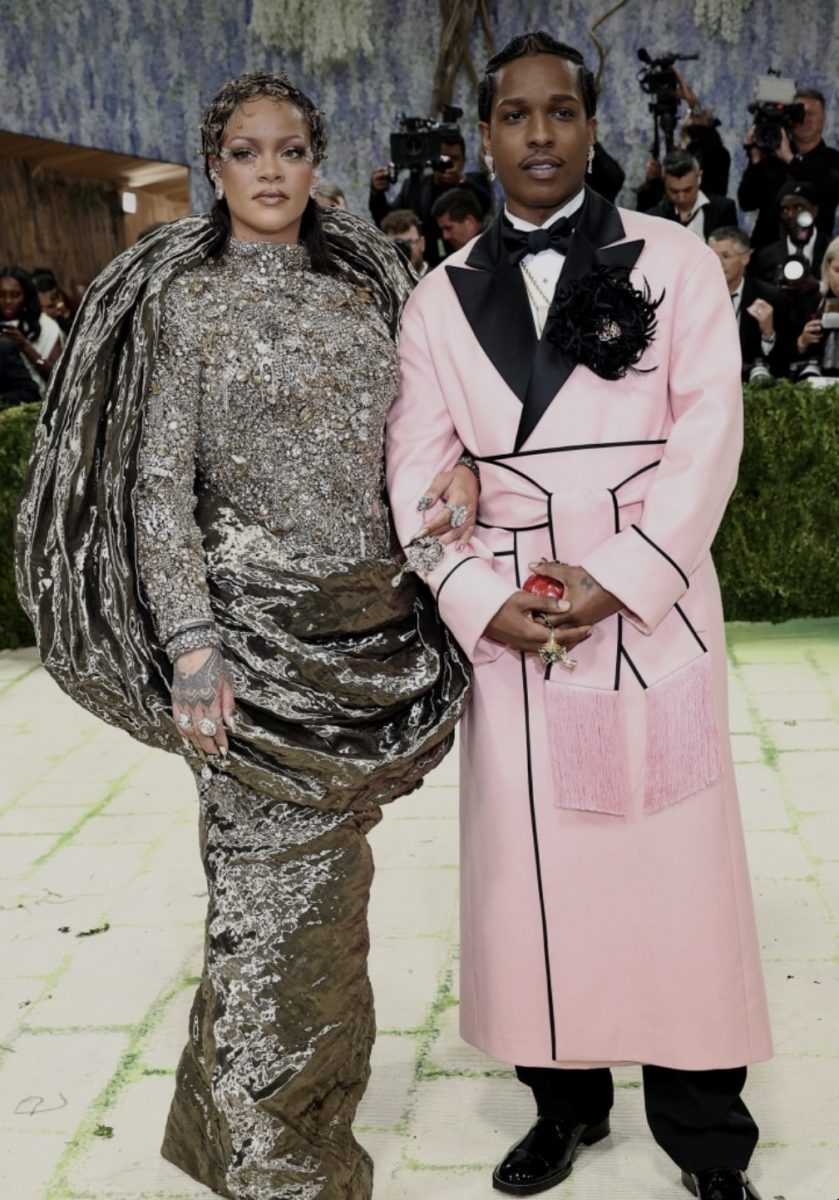
Image Credit: The Today Show (Rihanna & ASAP Rocky)
Nicole Kidman delivered a refined Chanel look that balanced elegance with artistic direction, proving that simplicity can still meet the brief when executed properly.
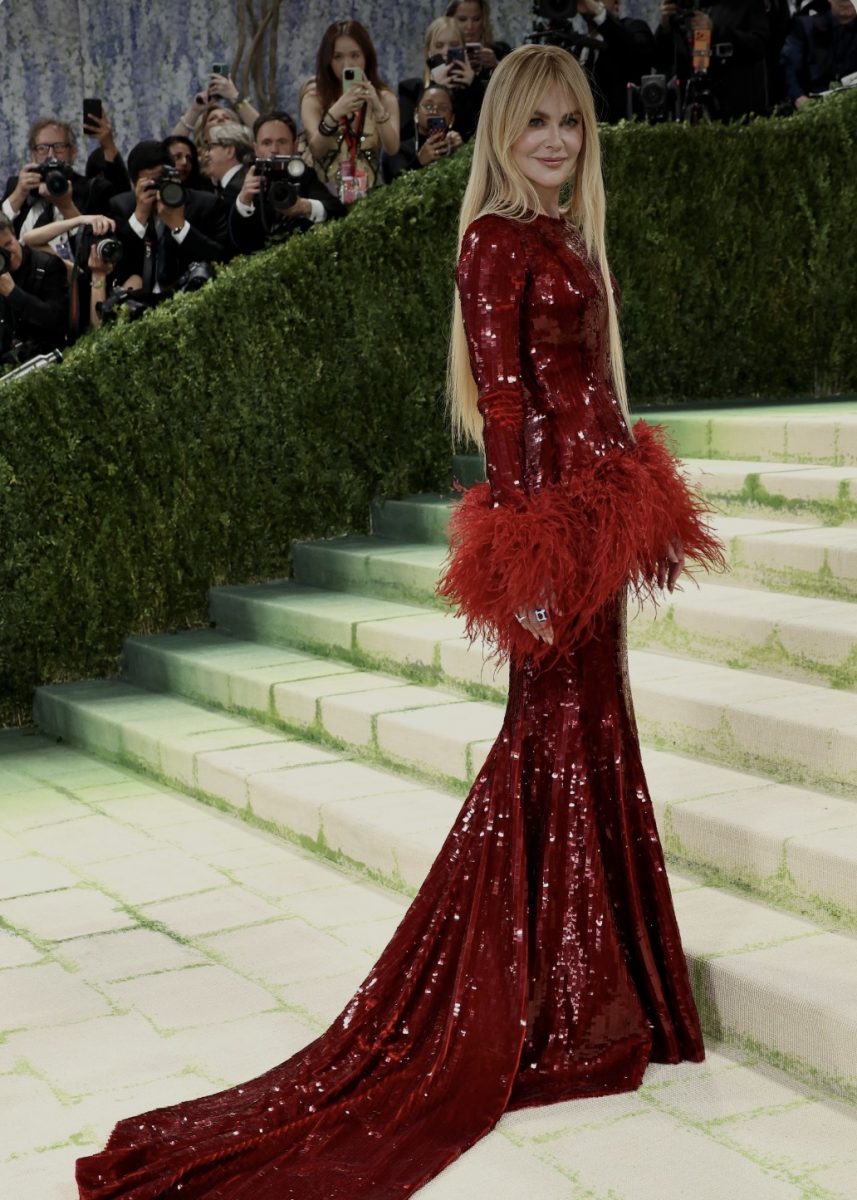
Image Credit: USA Today (Nicole Kidman)
Beyoncé’s return to the Met Gala became one of the biggest talking points of the night. Her skeleton-inspired design directly connected fashion with anatomy and visual art, making it one of the most literal interpretations of the theme.
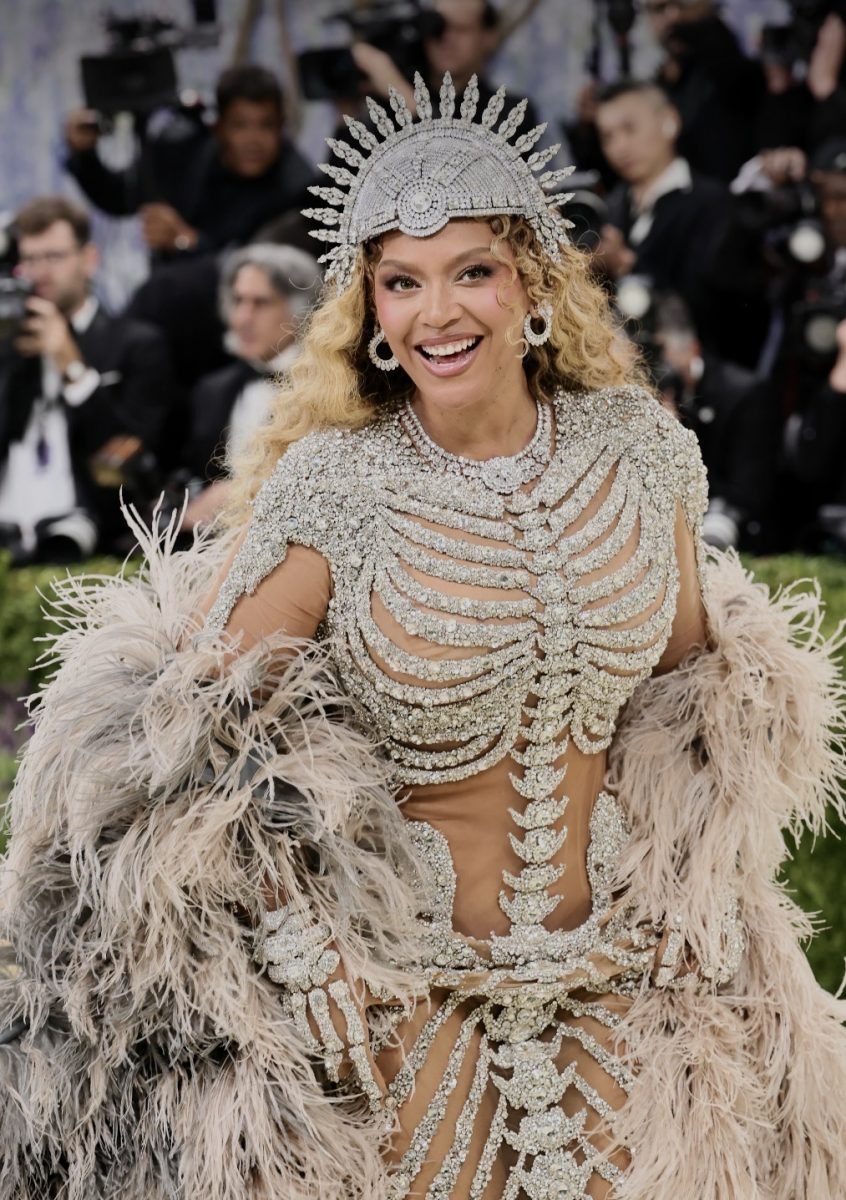
Image Credit: Varity Fair (Beyonce)
Others, including Cardi B, leaned into sculptural fashion — blending body structure, embellishment, and performance in a way that matched the night’s direction.
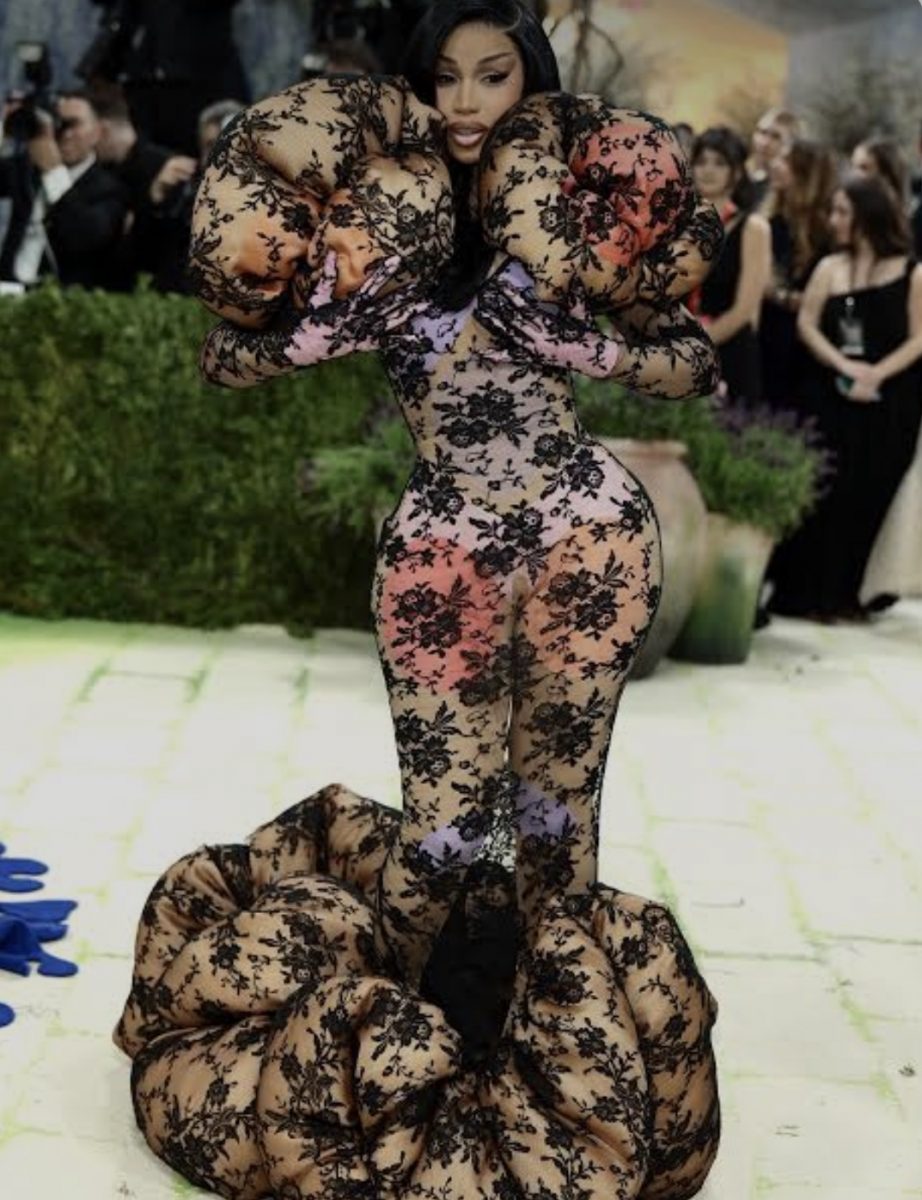
Image Credit: Instagram (Cardi B)
On the other side, the worst-dressed conversation was just as strong — and very specific.
Some attendees were criticised for playing it too safe, showing up in looks that could have worked on any red carpet but had no connection to the theme.
Others went in the opposite direction — overcomplicating their outfits to the point where the concept was lost completely.
Kim Kardashian’s plastic-like bodysuit paired with an unbalanced skirt drew criticism for lacking cohesion, while Olivia Wilde’s cage-style dress was described as more confusing than conceptual.
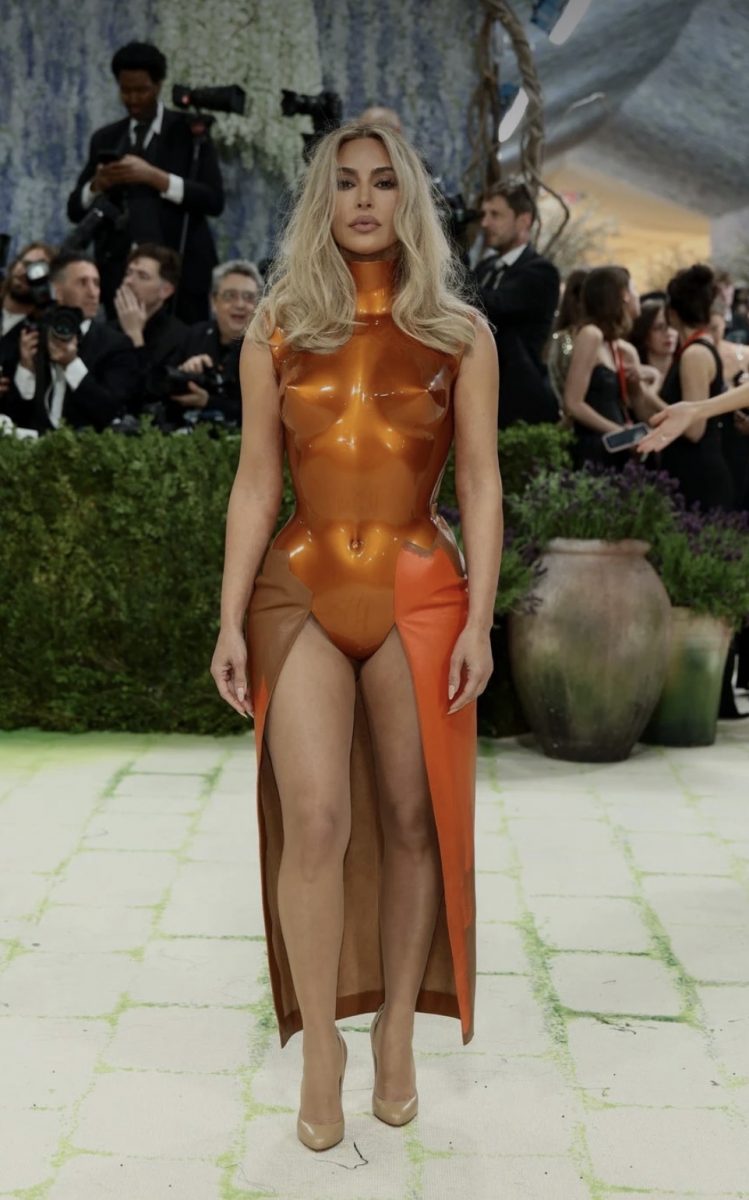
Image Credit: Yahoo News UK (Kim Kardashian)
The biggest issue this year wasn’t effort — it was clarity.
People weren’t asking, “Is it bold?”
They were asking, “Does it make sense?”
Beyond the outfits, the real energy of the Met Gala came from the moments around it.
Beyoncé’s return alone shifted the tone of the night, immediately dominating headlines and social media conversation. At the same time, the absence of regular Met Gala figures like Zendaya and Taylor Swift did not go unnoticed, with many questioning the shift in attendance.
The green carpet redesign became a talking point in itself, with audiences split between seeing it as a refreshing change or an unnecessary break from tradition.
Inside the event, the atmosphere leaned heavily into performance. Fashion wasn’t static — it moved, it transformed, and in some cases, it blurred into costume.
Bad Bunny’s aged transformation — complete with grey hair, prosthetics, and a cane — became one of the most talked-about moments of the night. Some praised the concept, others questioned the execution, but either way, it held attention.
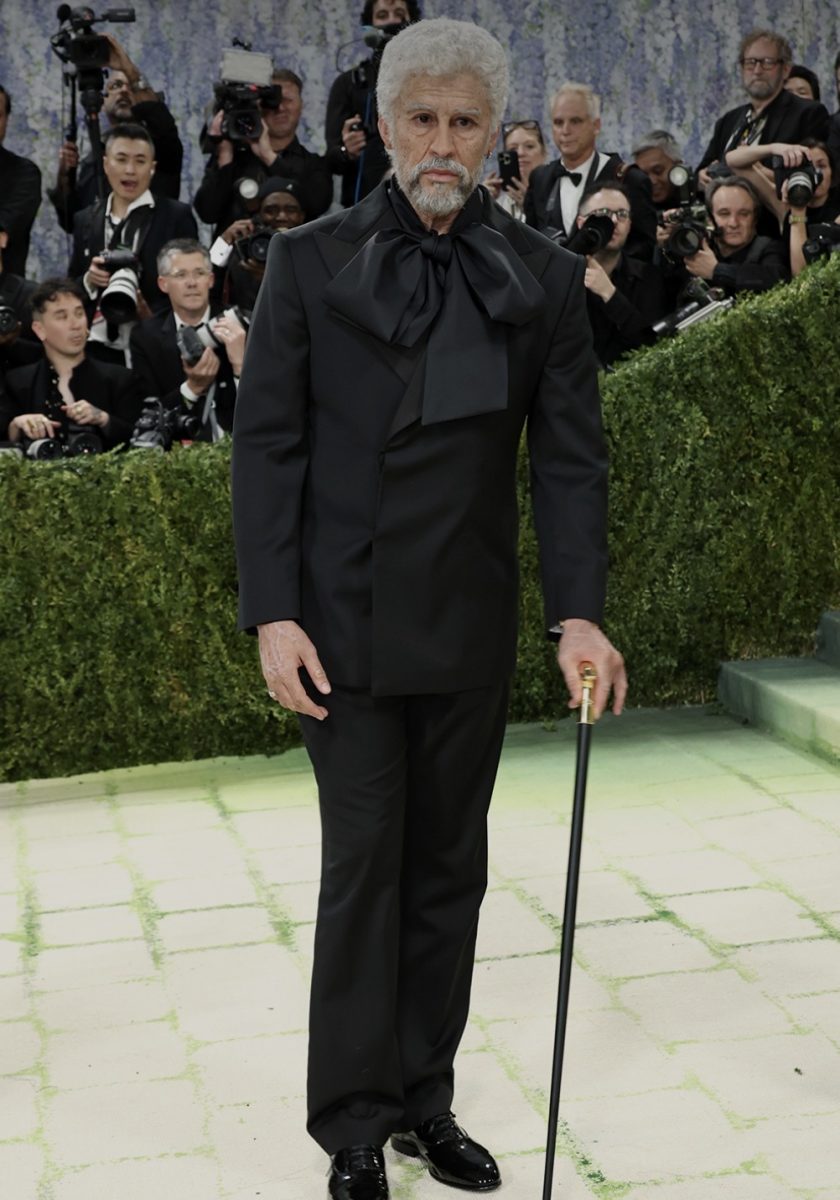
Image Credit: The Hollywood Reporter (Bad Bunny)
Social media did what it always does — dissecting everything.
Every look was compared, analysed, and judged in real time:
Even the structure of the event itself came under discussion, with attention on sponsorship, branding, and the increasing overlap between fashion and commercial influence.
The 2026 Met Gala did more than deliver spectacle — it signalled a shift.
From the decision to replace the traditional red carpet with green, to a theme centred on structured fantasy and cultural identity, this year’s event leaned into change while holding onto its core influence.
The contrast was clear. Some attendees met the moment with precision and intent, while others highlighted the ongoing tension between creativity and coherence that defines the Met Gala.
At the centre of it all remains Anna Wintour — still in control, but with growing conversation around what comes next.
Because beyond the fashion, the 2026 Met Gala made one thing clear:
The event is evolving, and the next chapter is already being watched.
Article By Onome Destiny
