Head Office
No. 8 Klunye Adjele Street
East Legon, Accra – Ghana

No. 8 Klunye Adjele Street
East Legon, Accra – Ghana

As of May 2026, the streets of Accra, Kumasi, and Tamale hum with the energy of a young, ambitious population. However, beneath this vibrancy lies a stark economic reality. Recent data from the Ghana Statistical Service (GSS) reveals a staggering 34% youth unemployment rate, a figure that the Trades Union Congress (TUC) describes as a “ticking time bomb.” While the government touts recovery efforts, the gap between educational output and job creation remains a critical challenge for the nation.

The current employment landscape presents a complex paradox. On one hand, President John Dramani Mahama’s administration reports that over one million young Ghanaians secured stable employment between early 2025 and 2026. This growth stems largely from targeted investments in infrastructure and small-medium enterprises (SMEs).
On the other hand, organised labour unions sound the alarm. They argue that despite macroeconomic stability, the economy still fails to generate enough “decent and sustainable” jobs. The TUC specifically points to the “export of jobs”—a phenomenon where Ghana imports basic manufactured goods and processed foods instead of producing them locally, thereby depriving its youth of industrial opportunities
To combat the crisis, state agencies are shifting their focus toward technical and vocational training (TVET) and entrepreneurship. The Youth Employment Agency (YEA) and the National Youth Authority (NYA) are currently spearheading several high-impact initiatives:
The National Apprenticeship Programme (NAP): This program provides equipment and training to thousands of youth in sectors like solar installation, coding, and auto-diagnostics.
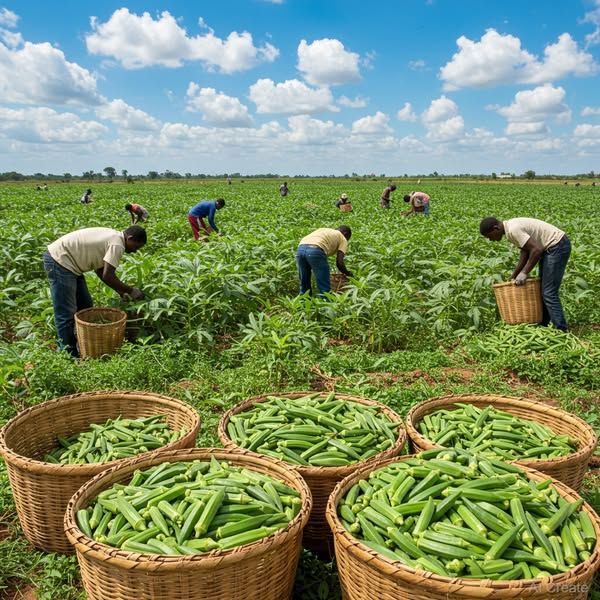
Agribusiness Modules: The YEA recently acquired 1,000 acres in the Bono Region to transition young people from “the streets to the farm,” leveraging commercial agriculture to drive rural employment.
The SEED Programme: Launched in May 2026, this initiative nurtures student entrepreneurs, encouraging them to view themselves as future job creators rather than job seekers.
Policy experts and labour leaders now demand a strategic pivot. The consensus in 2026 is clear: the public sector cannot absorb the hundreds of thousands of graduates entering the workforce annually. And instead of looking toward the state for a paycheck, young Ghanaians must seize the tools to become their own bosses and architects of their own economic destiny
Industry stakeholders are calling for aggressive support of the manufacturing and agro-processing sectors. By shifting from primary exports to secondary production, Ghana can potentially create the large-scale industrial employment required to stabilize the economy and secure the future of its youth.
The path to solving youth unemployment in Ghana requires more than just short-term modules. It demands a fundamental restructuring of the economy to favor local production over imports. As the nation moves further into 2026, the success of these efforts will determine whether Ghana’s “youth bulge” becomes an engine for unprecedented growth or a source of enduring social instability.
