Head Office
No. 8 Klunye Adjele Street
East Legon, Accra – Ghana

No. 8 Klunye Adjele Street
East Legon, Accra – Ghana
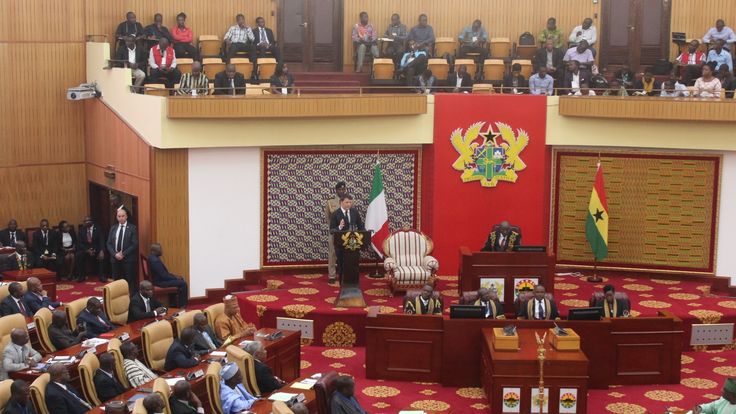
Ghana’s reputation as a democratic pioneer in West Africa faces a persistent shadow: the exclusion of women from the highest halls of power. As of 2026, the nation grapples with a stark reality where women constitute over half of the population but hold only a fraction of political influence. Despite recent legislative victories, the road to parity remains steep.
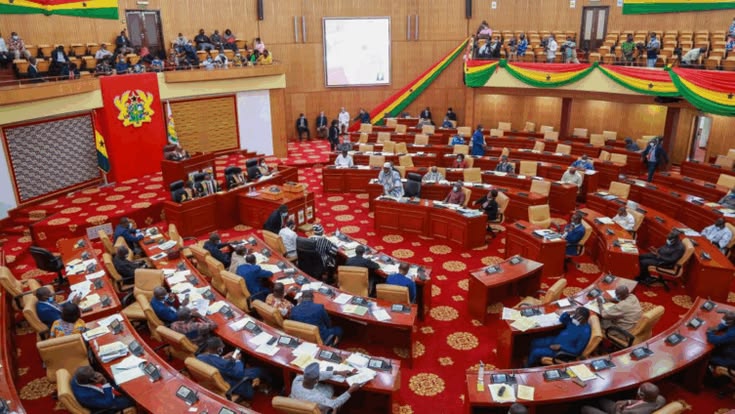
The 9th Parliament of the Fourth Republic currently women occupy 41 seats out of the total 276. While this figure represents a historic peak for Ghana, it accounts for only 14.9% of the house. This marginal increase from the 2020 elections highlights a stagnant trend.
The most significant shift in this landscape occurred in September 2024, when the President assented to the Affirmative Action (Gender Equity) Act. This landmark law finally provides a legal framework to redress decades of imbalance.
The Act requires a minimum of 30% representation for women in public appointments and governance roles by 2026.It sets a progressive path toward achieving 50% representation by 2034.Despite the law’s passage, early 2026 reports from organizations like NETRIGHT indicate that the state is already falling behind its immediate 30% targets. Government agencies and political parties continue to struggle with the implementation of these new mandates.
To solve the representation crisis, we must address the specific hurdles that target women during the primary and general election phases. From “monetized politics” to cultural stereotypes, these barriers actively discourage qualified women from entering the race.
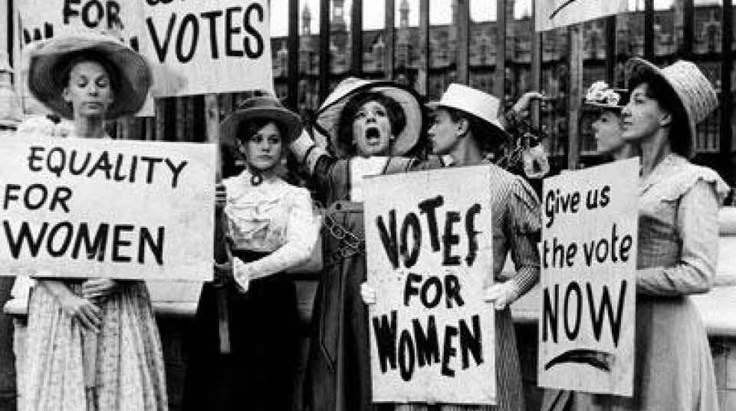
When women lack a seat at the table, the national agenda suffers. Issues like the Gender Responsive Budgeting (now mandated by the 2024 Act) often lack the political will for full execution. Furthermore, the 2025 Status of Women Report suggests that the slow pace of inclusion hinders Ghana’s ability to meet international benchmarks, such as the African Union’s Agenda 2063.
The Affirmative Action Act is no longer just a bill—it is the law of the land. To bridge the gap between legislation and reality,Ghana must:
Ghana stands at a crossroads. The legal tools for equality now exist; the nation only needs the political courage to use them.
SOURCES
MINISTRY OF GENDER, CHILDREN AND SOCIAL PROTECTION
ACEPA
PLANNED PARENTHOOD ASSOCIATION OF GHANA
